Upcoming Market Report Release: "Tay Ninh Province Real Estate After the Merger – Synergistic Strength and Breakthrough Opportunities"
Scheduled for November 6, 2025, the Vietnam Real Estate Research Institute, in collaboration with Vietnam Real Estate Online Magazine, will release the Market Report: "Tay Ninh Province Real Estate After the Merger – Synergistic Strength and Breakthrough Opportunities."
The report is the result of research, surveys, data collection, and analysis conducted by senior experts of the Vietnam Real Estate Research Institute. It provides evaluations and insights into the overall movements of the Tay Ninh real estate market following the administrative merger and the development of new spatial areas. The report notes that Tay Ninh is entering a pivotal development phase, as the unification of the former Tay Ninh and Long An provinces has created a new economic and urban growth engine bordering Ho Chi Minh City.
According to Government Resolution No. 306/NQ-CP dated October 5, 2025, on the adjustment of the national master plan for the 2021–2030 period with a vision toward 2050, the southern region is planned into two socio-economic zones: the Southeast region and the Mekong Delta. Among these, the Southeast region, with Ho Chi Minh City as its growth pole, aims to become a dynamic region with high economic growth rates, serving as the country’s largest growth engine. Within this national context, the new Tay Ninh province emerges as a “link” between Ho Chi Minh City and the Mekong Delta, playing a crucial role as a “key node” in the industrial-urban chain connecting Moc Bai – Ho Chi Minh City – Cai Mep – Thi Vai ports along the trans-Asia economic corridor. As a convergence point of two major economic regions in the country with a strategic location for regional transportation and logistics, the new Tay Ninh demonstrates strong potential for multi-polar economic development, from industry and logistics to trade, services, and cultural tourism. By 2030, the province aims to have a dynamic and sustainable economy, serving as a strategic connection hub between the Southeast region and the Mekong Delta while functioning as a key trade gateway to Cambodia.
From a predominantly agricultural locality, Tay Ninh is rapidly transforming toward industry, urbanization, and services. Concurrently, transportation infrastructure has been properly prioritized and invested in, highlighted by major projects such as the Ho Chi Minh City – Moc Bai Expressway, Ring Roads 3 and 4, and a network of international border gates, including the Moc Bai International Border Gate. The economic restructuring and increasingly integrated regional connectivity position post-merger Tay Ninh as a critical “link” in the trans-Asia economic corridor, elevating the province’s real estate market—particularly along the Moc Bai – Ho Chi Minh City economic corridor—to an attractive investment destination for industrial, satellite urban, commercial, and service real estate. In this context, Duc Hoa District in the former Long An province, now encompassing the communes of An Ninh, Hiep Hoa, Hau Nghia, Hoa Khanh, My Hanh, Duc Hoa, and Duc Lap, faces an unprecedented opportunity to develop industrial and satellite urban real estate adjacent to Ho Chi Minh City, the country’s economic engine.
Given this reality, senior experts at the Vietnam Real Estate Research Institute identified the need for in-depth surveys and research to comprehensively assess the real estate situation in Tay Ninh before and after the merger, identify new strategic drivers, and provide analysis, forecasts, and recommendations to promote rapid and sustainable development of high-quality, potential real estate segments in the province.
The research report, “Tay Ninh Province Real Estate After the Merger – Synergistic Strength and Breakthrough Opportunities,” is structured into four parts:
Part I: Introduction to the research unit
Part II: Introduction
Part III: Report Content
Part IV: Conclusion
Accordingly, the Introduction sets out the practical context for the report. Following the nationwide administrative boundary merger under National Assembly Resolution 202/2025/QH15 dated June 12, 2025, the Southeast region, with Ho Chi Minh City as its growth pole, has been positioned as a dynamic zone with high economic growth rates and the country’s largest growth momentum according to the national master plan for 2021–2030 with a vision toward 2050. The restructuring of administrative boundaries has opened opportunities for new growth regions across the country, including the new Tay Ninh province, formed by merging the former Long An and Tay Ninh provinces.
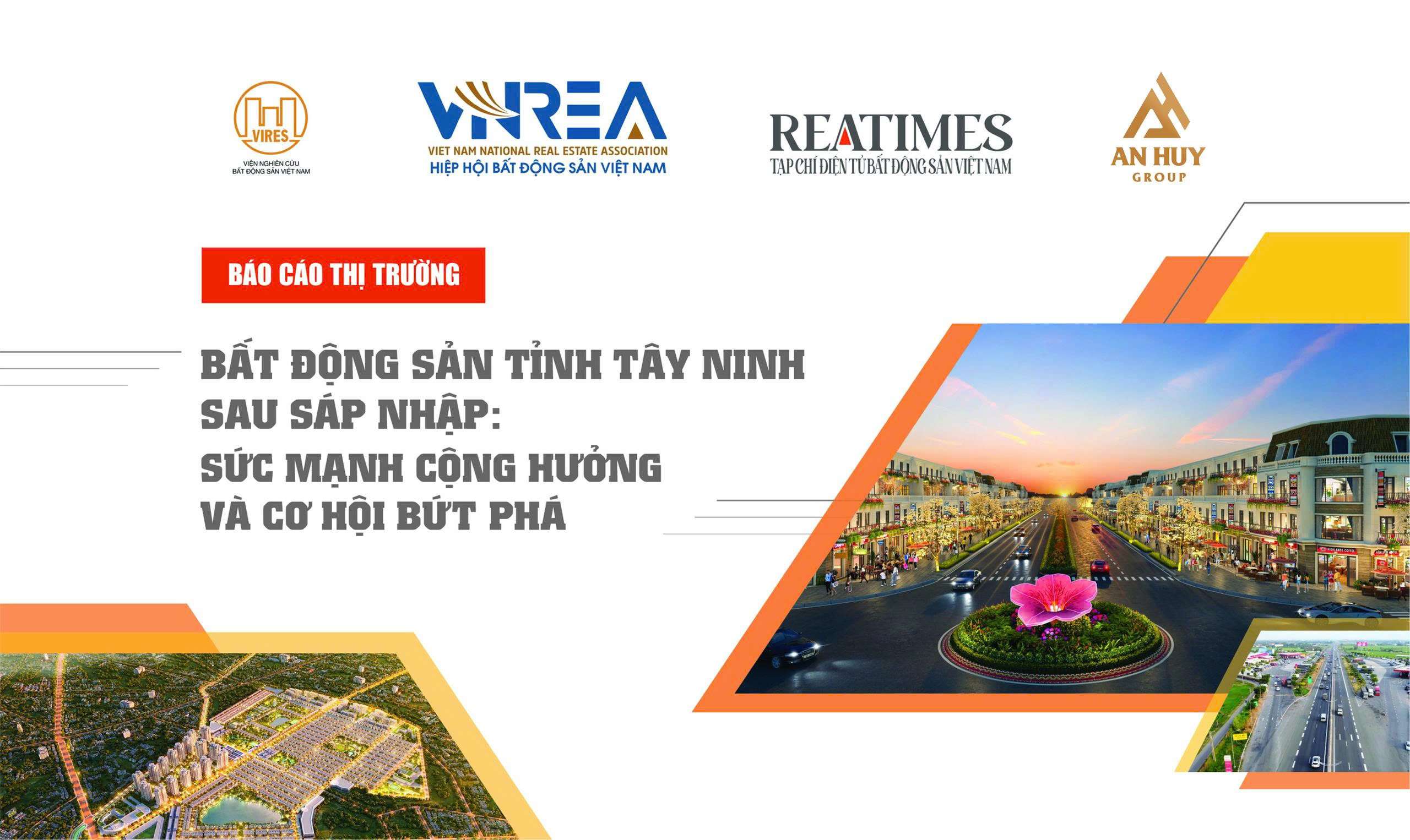
After the merger, Tay Ninh province has become a crucial “link” in the development of the industrial-urban chain connecting Moc Bai – Ho Chi Minh City – Cai Mep – Thi Vai ports along the trans-Asia economic corridor, forming an integral part of the southern growth engine, alongside the growth pole of Ho Chi Minh City.
The 1st Congress of the Tay Ninh Provincial Party Committee (term 2025–2030) has set 22 socio-economic targets, aiming for an average GRDP growth of 10–10.5% during the 2026–2030 period. By 2030, the economic structure is expected to have over 80% contributed by industry, construction, and trade-service sectors, with an urbanization rate of 45–50% [1]. These indicators signal that post-merger Tay Ninh possesses the opportunity, resources, and strong determination to simultaneously advance both the province’s economy and urban development.
In this context, Mr. Bui Van Doanh, Director of the Vietnam Real Estate Research Institute (VIRES), noted that areas adjacent to the former Ho Chi Minh City—such as Duc Hoa, Ben Luc, Can Giuoc—or the Moc Bai – Trang Bang economic corridor, possess significant advantages and momentum for developing integrated satellite urban models.
“Communes located at the intersection of economic growth zones, such as Hau Nghia, Duc Lap, My Hanh, and Duc Hoa, are forming an economic-urban belt with immense potential to replicate the ‘Second Binh Duong’ scenario in industrial-urban development in the near future,” emphasized Mr. Bui Van Doanh.
The report identifies three main objectives:
To provide a comprehensive overview of the Tay Ninh real estate market before and after the merger;
To analyze the current status and forecast short-, medium-, and long-term trends in Tay Ninh real estate, assessing the potential of multi-functional integrated urban models in satellite areas of Ho Chi Minh City, with the case study of the An Huy My Viet urban area in Duc Hoa District, former Long An (now Duc Lap Commune, Tay Ninh Province); and
To provide information, data, analysis, and investment forecasts to support investors, enterprises, and regulatory authorities in forming well-informed strategies for effective development.
In Part II: Report Content, senior experts from VIRES approached the study in the following sequence:
Analyzing the post-merger real estate market landscape of Tay Ninh Province;
Identifying the potential of real estate in Duc Hoa District, former Long An Province, with a focus on Duc Lap Commune, new Tay Ninh Province; and
Providing trend forecasts and recommendations applicable to government management, enterprises, and investors.
In Section 1 of the Report Content, VIRES experts analyze and evaluate the market correlation between Tay Ninh and Long An before the merger, highlighting the synergistic advantages gained by the two provinces after the administrative unification. Prior to the merger, Long An and Tay Ninh were strategically located but had distinct development characteristics. Long An, in the Mekong Delta, covers approximately 4,500 km², with a population of 1.75 million in 2024, a population growth rate of 0.5% per year, an immigration rate of 9.42%, and an urbanization rate of 28%, targeting 55% by 2030. Tay Ninh, located in the Southeast region, covers 4,000 km², with a population of 1.2 million, a similar growth rate, but only a 2.68% immigration rate, an urbanization rate of 41.8%, and a target of 53% by 2030. Long An’s strengths lie in industry, logistics, and services, while Tay Ninh stands out in border economy, tourism, and processing industries. Both provinces recorded GRDP growth rates higher than the national average: in 2024, Long An grew 8.3% and Tay Ninh 8.45%.
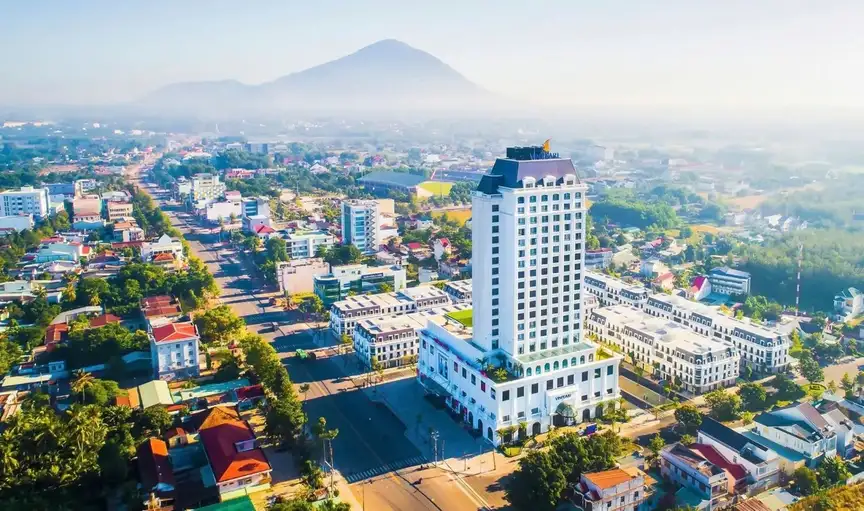
Tay Ninh is entering a pivotal phase of development, as the merger of the former Tay Ninh and Long An provinces has created a new economic-urban growth hub adjacent to Ho Chi Minh City.
After the merger, the new Tay Ninh combines dual strengths: a strong industrial and urbanization foundation, along with ample potential for commerce, logistics, and border economy development. The merger has created seven breakthrough drivers for the real estate market: 1. A solid economic foundation and high growth rate, with key pillars in industrial economy and border trade; 2. Breakthroughs in completing and developing the transportation network to boost regional economic connectivity; 3. A consistent strategy for fast and sustainable industrial development, centered on high-tech industrial zones and innovation; 4. Potential real estate demand from the influx of workers from the Mekong Delta and population spillover from major urban centers such as Ho Chi Minh City; 5. The local government’s efforts to build a transparent, investor-friendly environment, providing a foundation for sustainable development; 6. The entry and leadership of strategic investors; and 7. The trend of forming integrated urban areas in response to societal needs in the corridors adjacent to Ho Chi Minh City.
It is evident that Tay Ninh is converging all the factors of “favorable timing, strategic location, and social cohesion” to accelerate the construction and development of local industry and urbanization. At the same time, senior experts from the Vietnam Real Estate Research Institute (VIRES) have compiled and analyzed real estate market information in Tay Ninh post-merger, segment by segment, providing a clear view of the current status and prospects of various property sectors in the province.
Overall, land plots remain a leading segment, attracting the most investor attention due to relatively low prices compared to areas bordering Ho Chi Minh City, along with high growth potential as transportation infrastructure improves. Areas with clear legal status, synchronized planning, and strategic locations are seeing strong demand, particularly projects along key regional connectivity routes. The industrial-logistics segment is identified as the backbone of the new Tay Ninh economy, benefiting from strategic location, investment attraction, and rapid development of industrial and cluster zones. The expansion of this sector drives demand for housing for workers and professionals, as well as urban services.
Meanwhile, commercial-service and urban housing are developing rapidly in gateway areas and regions adjacent to Ho Chi Minh City such as Duc Hoa, Ben Luc, and Can Giuoc, where urbanization is fast, infrastructure is synchronized, and population spillover is strong. The emergence of large-scale, well-planned projects has contributed to shaping the new urban landscape and expanding economic development space. In general, the real estate market in Tay Ninh is developing in a more balanced manner, with land plots leading, industrial-logistics as the foundation, and commercial-service and urban housing as new growth drivers. This creates the basis for Tay Ninh to become a dynamic development hub in the Southern region.
Based on the overall research and market assessment, senior experts from VIRES have identified Duc Hoa district (formerly Long An) as a potential area, with the focal point being the newly established Duc Lap commune, detailed in Part 2 of the report. Duc Hoa is oriented to become a comprehensive industrial-urban area, targeting urban type III criteria by 2030, alongside Ben Luc and Can Giuoc to relieve pressure on Ho Chi Minh City. Duc Hoa hosts numerous industrial zones such as Duc Hoa III – Viet Hoa, Duc Hoa III – Hong Dat, Hai Son, Tan Do… directly connected to the regional infrastructure network. Additionally, Duc Hoa is an important energy center within the national power grid (including 500kV and 220kV lines), ensuring sufficient energy for industrial and urban development. The low population density provides conditions for forming new urban areas to accommodate migrating residents and professionals.
A distinctive point is that Duc Hoa holds a strategic position in regional transportation connectivity, acting as a buffer zone easily linked by major provincial roads such as DT830, DT823, DT824, and DT825, and connected in the future to Ben Luc – Long Thanh Expressway and Ho Chi Minh City – Moc Bai Expressway. This makes Duc Hoa a potential hub in logistics and regional economic-trade connectivity. Regarding real estate prices, the area currently offers room for growth. Comparing Duc Hoa now with Binh Duong in 2015, several factors indicate the potential to “repeat the success” in industrial-urban development. In 2015, Binh Duong’s economy consisted of 60% industry, 37% services, and 3% agriculture; Duc Hoa is now rapidly transforming towards industry – services – logistics. In 2015, Binh Duong attracted USD 2.9 billion FDI; currently, Duc Hoa has attracted over 500 FDI enterprises totaling over USD 2 billion, with industrial zones 60% occupied.
The population in Duc Hoa is around 350,000, including 100,000 migrant workers – a foundation for industrial-urban development. Large clean land areas, still-low land prices, and improving infrastructure are factors that give Duc Hoa the potential to become the “next Binh Duong” within 5–7 years. Based on the potential of Duc Hoa – Duc Lap, the report analyzed the case of the An Huy My Viet project in Duc Lap commune, Tay Ninh province (post-merger) and drew conclusions about the potential urban model for this area.
Specifically, the An Huy My Viet project is developed as an integrated urban area with amenities, ensuring “green” elements and sustainable development. According to the 1/500 detailed construction plan approved in 2020, the project spans over 115 hectares, with 60 hectares currently under development, and is expected to offer approximately 2,250 products, ranging from land plots, townhouses, and villas to shophouses.
According to surveys, experts assess that An Huy My Viet is a project with scientific planning and synchronized amenities, including parks, scenic lakes, commercial areas, schools, and public spaces, aiming to build a modern, civilized urban area that fosters community connection.
Notably, with a construction density of only 45%, the project allocates more than 25,000 m² for green spaces and features a natural lake spanning 15.5 hectares, contributing to the formation of a “green urban” ecosystem at the gateway of Ho Chi Minh City. In addition, with land prices still lower than the development potential compared to already saturated urban areas such as Ho Chi Minh City or Binh Duong, projects like An Huy My Viet in Duc Lap commune promise an investment category with strong potential for sustainable growth.
Mr. Bui Van Doanh stated, "Integrated urban areas that harmoniously blend modern amenities with environmental landscapes and cultural identity elements (such as the 6-hectare Heritage Park) like An Huy My Viet represent a promising urban model in the urbanization process of the new Tay Ninh. These projects not only meet real housing needs but also contribute to shaping a modern and sustainable urban landscape for Duc Lap in particular and the areas adjacent to Ho Chi Minh City in general."
In Section 3 of the report, experts focus on analyzing future trends and development potential of the Tay Ninh real estate market after the administrative merger in the short, medium, and long term, based on ongoing infrastructure, economic, and planning foundations. The report notes that in the upcoming period, areas adjacent to Ho Chi Minh City such as Duc Hoa, Ben Luc, and Can Giuoc will become focal points for investment due to their strategic location, transport connectivity, and rapid urbanization.
Meanwhile, the Trang Bang - Moc Bai area, with advantages in logistics, cross-border trade, and border tourism, also shows potential for rapid development in the near future. The report suggests that investors should focus on projects with transparent legal status, synchronized infrastructure, and integrated urban-industrial development orientation, as these will be the leading products in the medium and long-term market. With the regional infrastructure being completed, investment environment improving, and housing demand rising sharply, Tay Ninh is considered an emerging and highly promising market, opening substantial opportunities for strategic investors in the upcoming development cycle.
In the conclusion of Section IV, VIRES experts affirm that Tay Ninh stands at a historic turning point, with a strategic position connecting the economic triangle of the Southeast region, the Mekong Delta, and Cambodia, along with abundant land, strong infrastructure investment, and an increasingly supportive local investment environment.
Based on this foundation, post-merger Tay Ninh is planned to develop along two main axes: an urban-industrial-service axis adjacent to Ho Chi Minh City with centers in Duc Hoa - Ben Luc - Can Giuoc, and a logistics-border-tourism axis in the Trang Bang - Moc Bai area linked to the trans-Asia economic corridor.
The combination of industry, urban areas, and services will help establish a balanced economic structure and sustainable development. The report forecasts that by 2025, Tay Ninh will become a leading center for industry, urban development, logistics, and tourism in the Southern region, serving as a "strategic bridge" in the western economic corridor of Ho Chi Minh City. This period is seen as a pivotal phase for the province to accelerate growth and make a mark on the regional development map and Vietnam's real estate market.
----
Báo cáo thị trường "Bất động sản tỉnh Tây Ninh sau sáp nhập - Sức mạnh cộng hưởng và cơ hội bứt phá"
Báo cáo được thực hiện bởi: Viện Nghiên cứu Bất động sản Việt Nam
Thương hiệu đồng hành báo cáo: An Huy Group
Nguồn dự án tham khảo: Khu đô thị An Huy Mỹ Việt
Thời gian xuất bản: 11/2025
Truyền thông bởi: An Huy Group
----
Related News
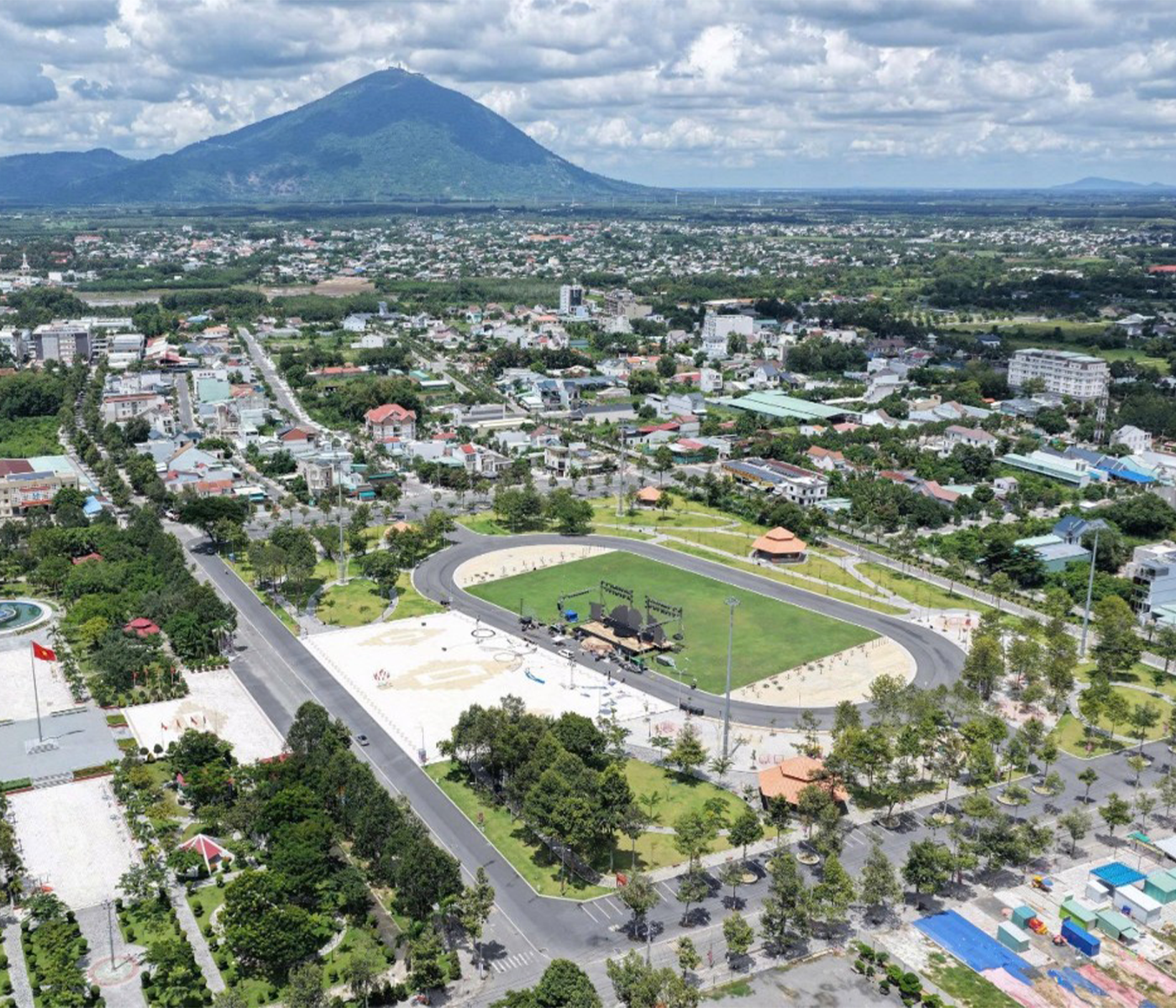
Tay Ninh expands its industrial zone, welcoming new investment flows.
Tay Ninh's industrial space is expanding along with its border gate system, logistics infrastructure, and inter-regional transportation corridors. A series of new industrial parks and clusters are being prepared for investment, creating more land for the locality to accommodate production projects in the new phase...
View Details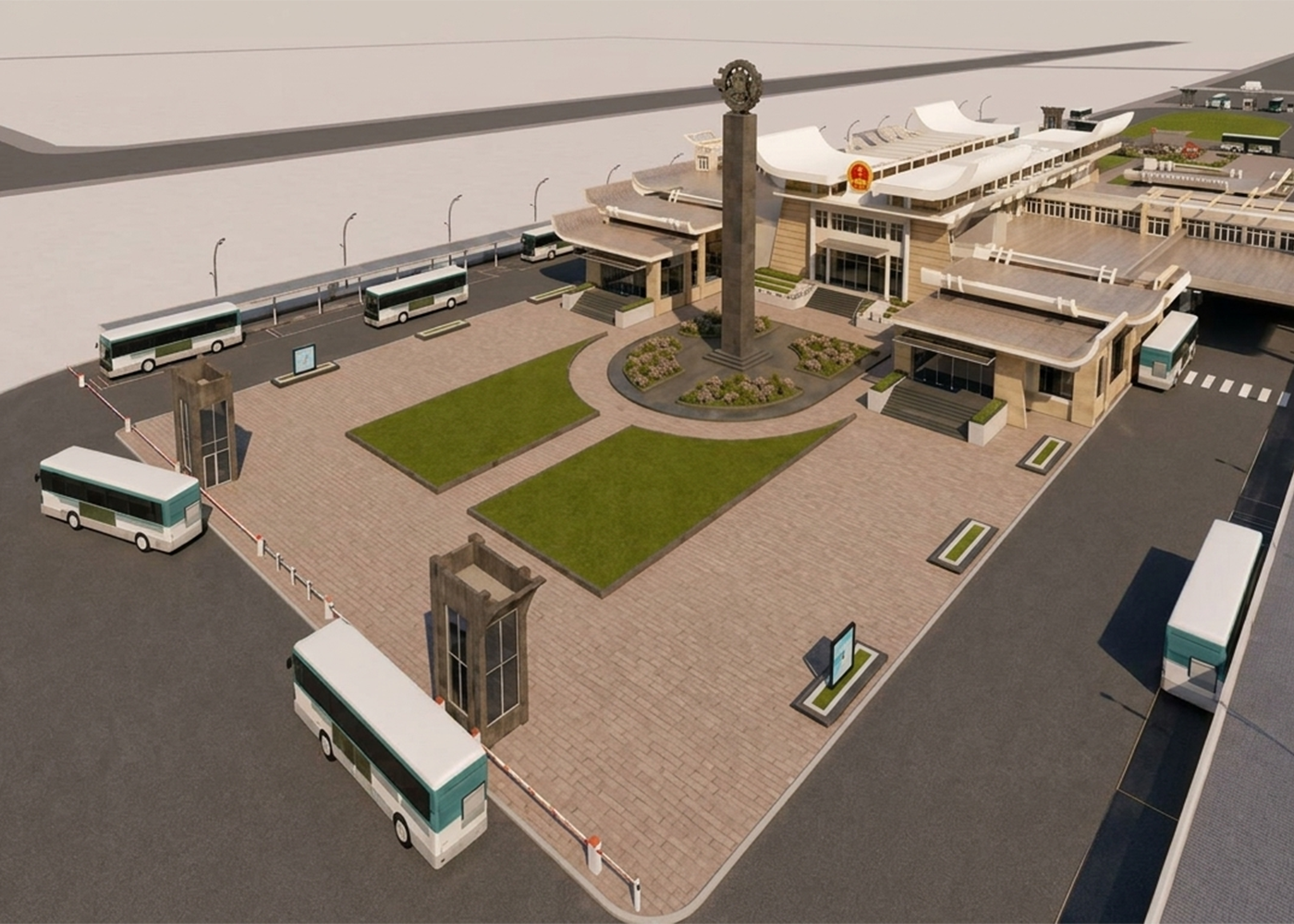
Tay Ninh establishes a digital border gate at Moc Bai, investing nearly 962.4 billion VND in comprehensive development.
The Moc Bai infrastructure development project until 2030 is oriented towards comprehensively reorganizing the border gate space, directly connecting it to the Ho Chi Minh City – Moc Bai expressway, separating passenger and cargo flows, and creating a foundation for the deployment of digital and smart border gates. The total investment is expected to remain at nearly 962.4 billion VND.
View Details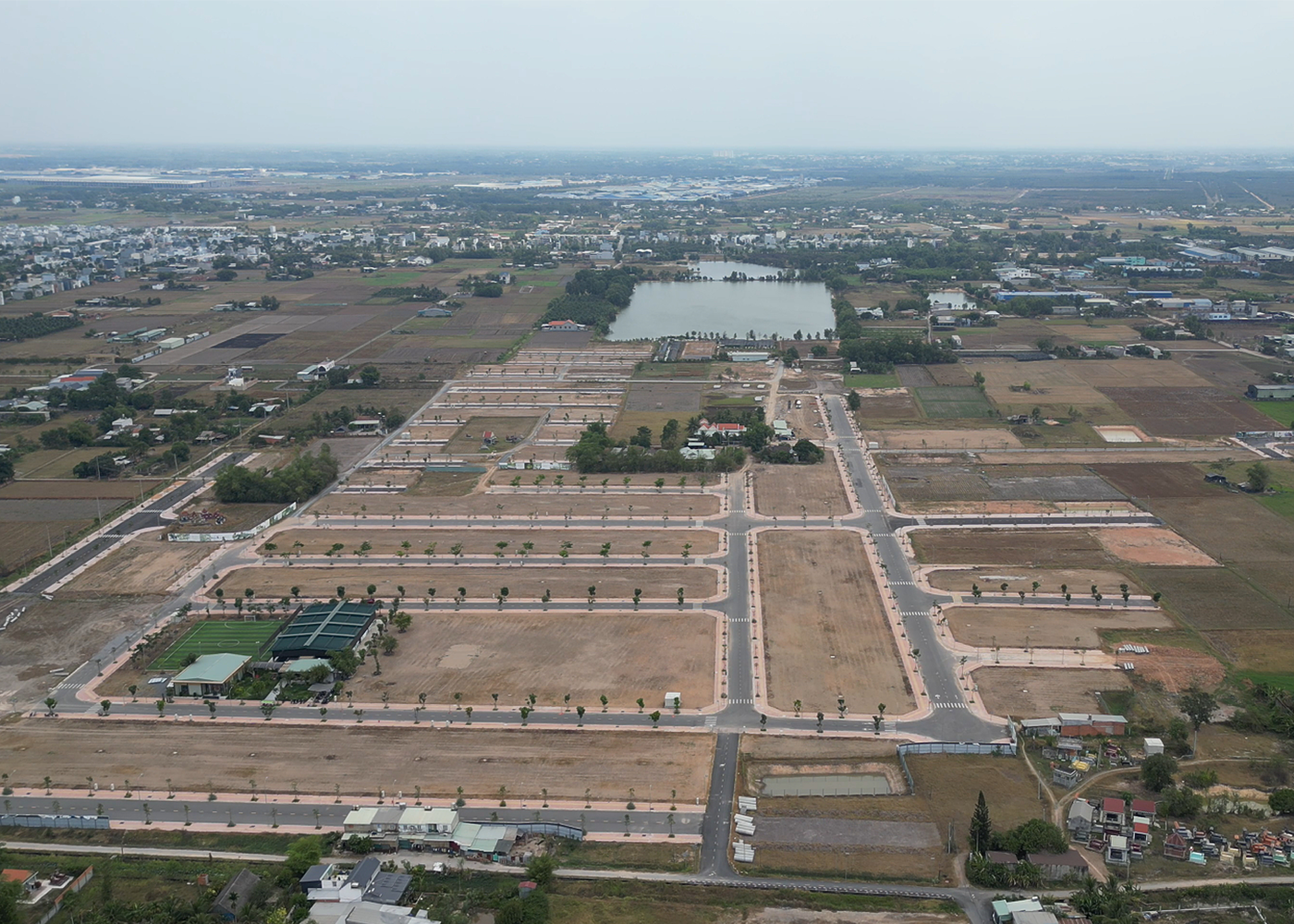
Each plot of land will be identified, and information can be looked up on VNeID starting September 1st.
From September 1st, 74 locations, including land parcels, will be assigned a unique 12-digit identification code and displayed on VNeID according to Decree 326/ND-CP.
View Details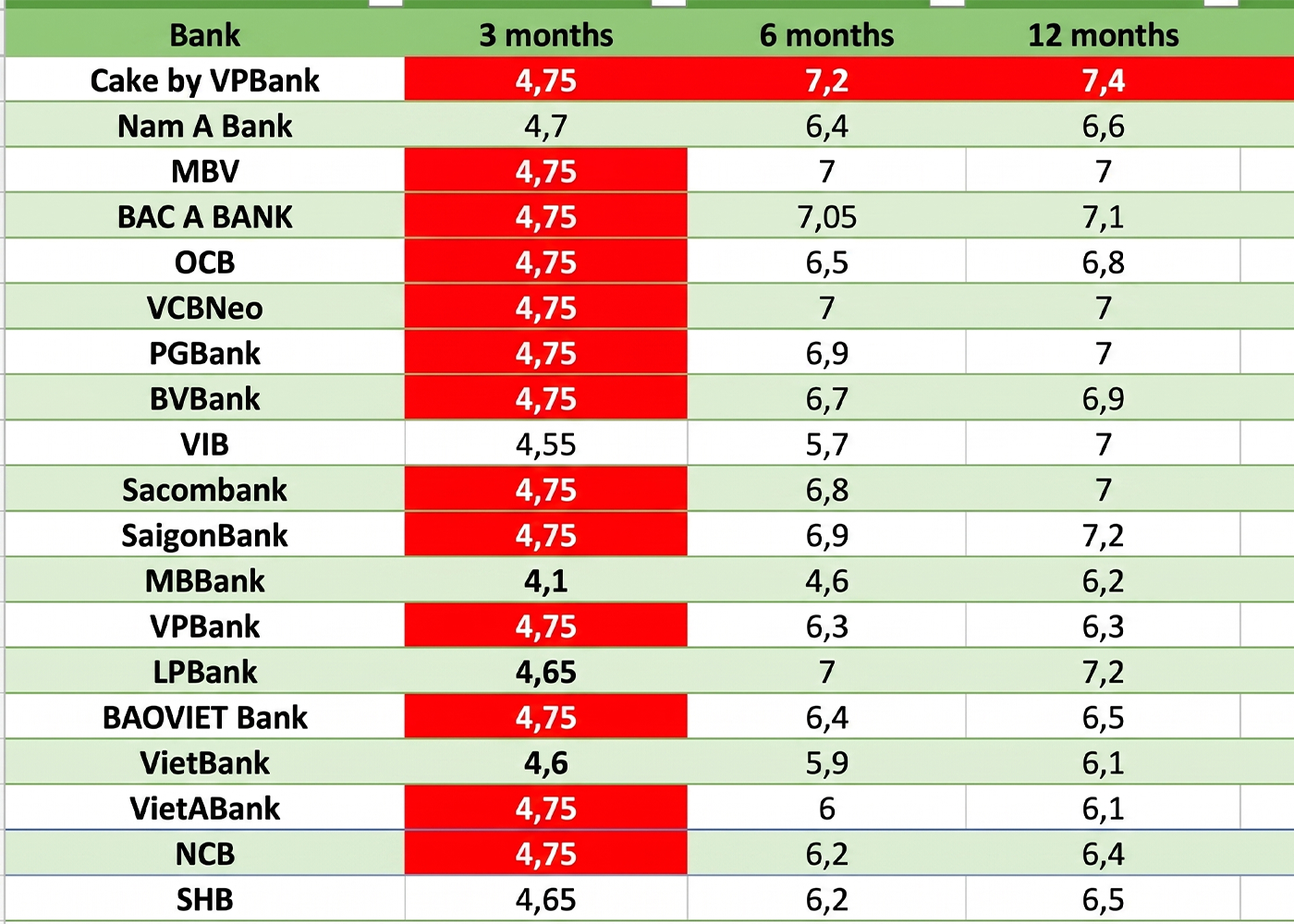
Bank interest rates today, August 18th: A series of banks adjust interest rates.
Bank interest rates today, August 18th: A series of banks adjust deposit interest rates downwards. A summary of the latest savings interest rates from over 30 banks.
View Details
Following directives from the State Bank of Vietnam, Agribank, Vietcombank, Vietinbank, SACOMBANK, and others have simultaneously reduced interest rates.
Previously, the State Bank of Vietnam issued Document No. 7125/NHNN-TD on the implementation of a credit program targeting economic growth drivers and small and medium-sized enterprises.
View Details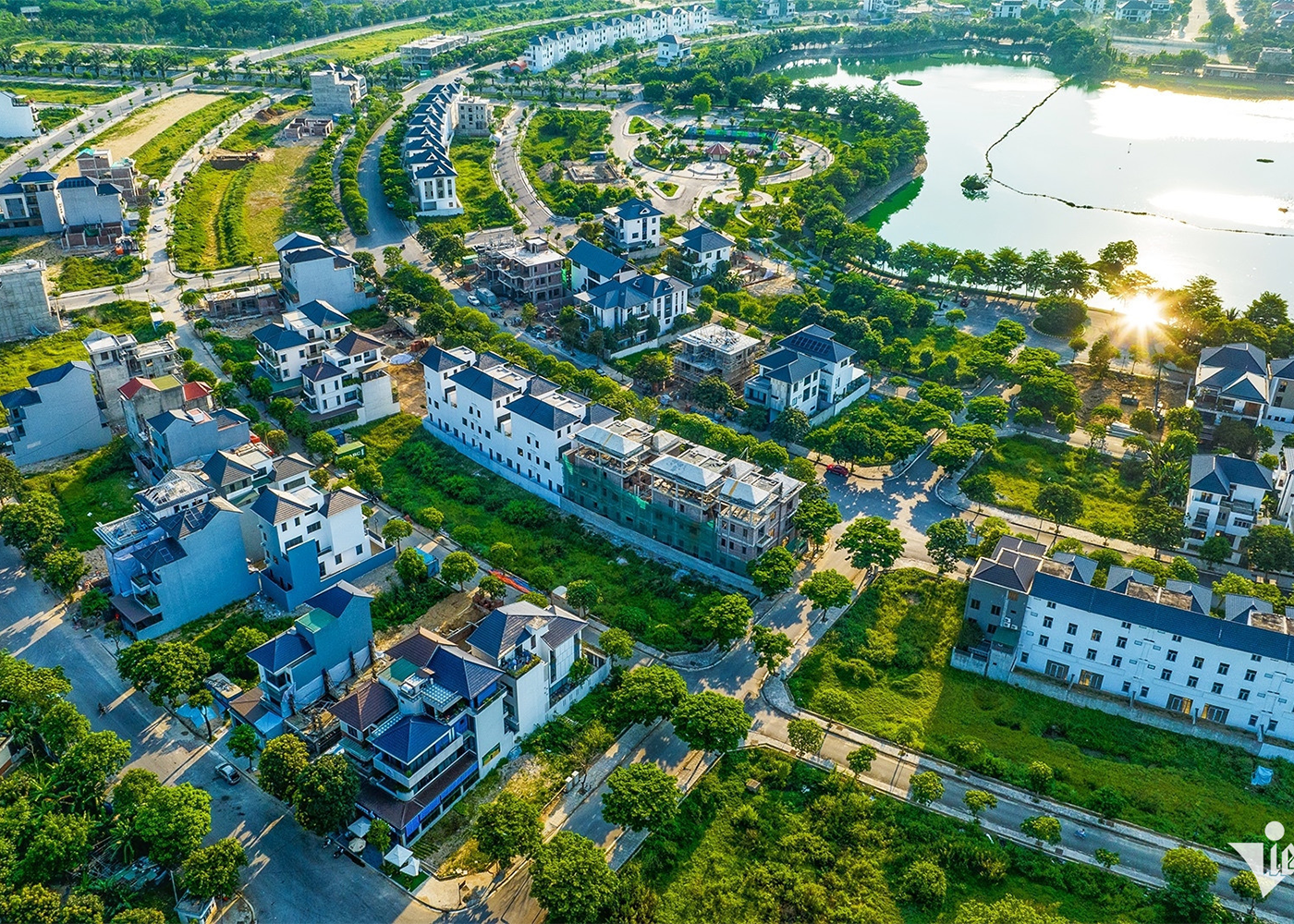
From Resolution No. 18 to Resolution No. 21: A Shift in Land Governance Thinking
Within just four years, the Party Central Committee issued two landmark resolutions on land: Resolution No. 18 in 2022 and Resolution No. 21 in 2026. Such a move is rare for a foundational policy area like land, whose far-reaching impact extends across the entire economy.
View Details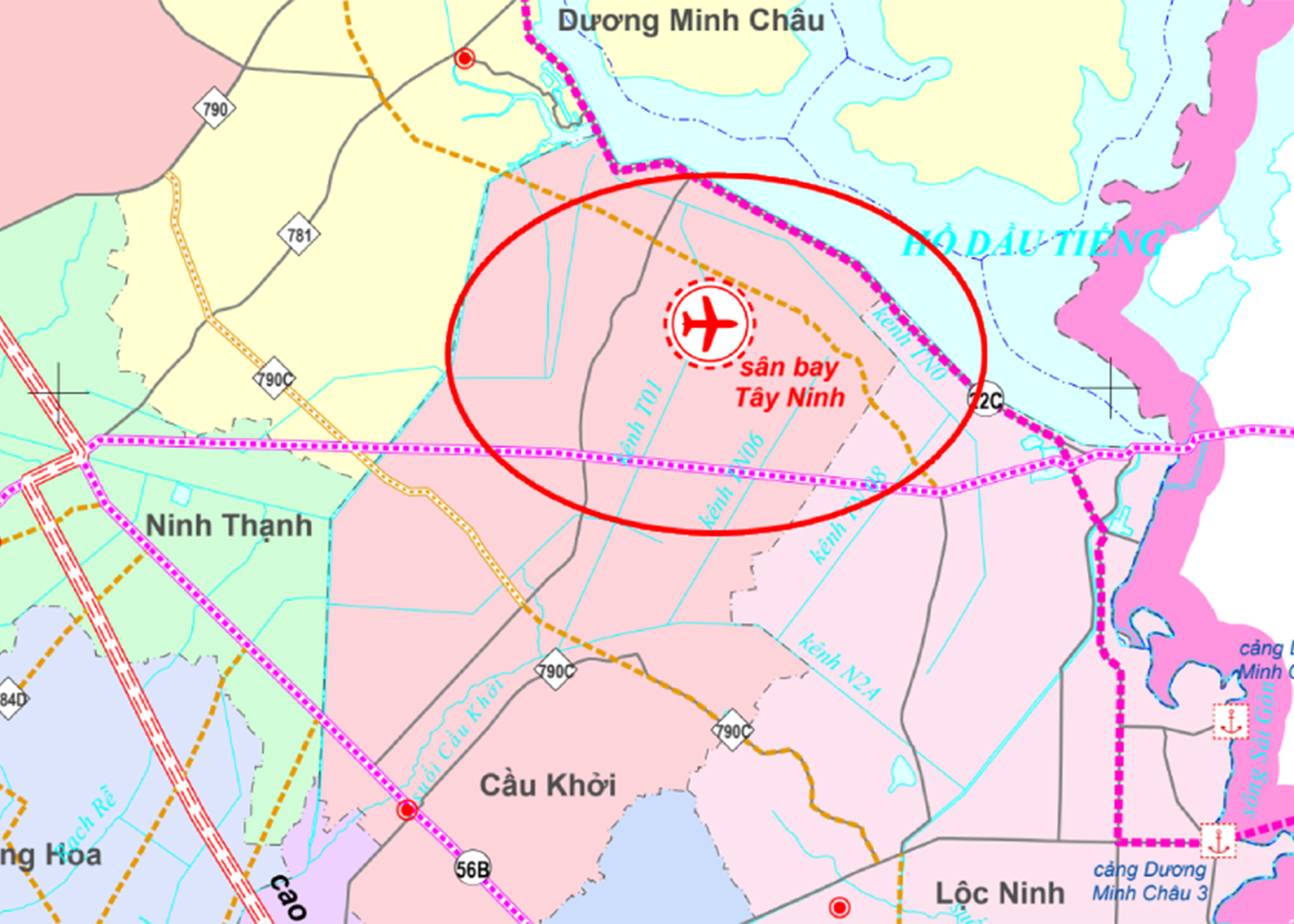
Southeast Vietnam Infrastructure in July: From the potential Tay Ninh airport to Ho Chi Minh City's 100-year transportation plan.
In July 2026, the infrastructure of the Southeast region continued to witness significant developments, from the metro line connecting the old Binh Duong province with the center of Ho Chi Minh City, the metro extension to Long Thanh Airport, the Cat Lai Bridge, the Long Hung Bridge, to new road axes in Tay Ninh. These projects are gradually expanding the development space for urban areas, industry, logistics, and real estate along the routes.
View Details
Easing conditions for purchasing social housing in Ho Chi Minh City: The market awaits a boost from supply.
The proposal to raise the income threshold for purchasing social housing in Ho Chi Minh City to a maximum of 60 million VND per month is expected to help many young families and middle-income workers access affordable housing. However, as the number of eligible people increases while supply remains limited, experts believe the market will need stronger measures to avoid a situation where "too many people are queuing, too few houses to buy."
View Details
5 things social housing buyers need to know before borrowing from the Social Policy Bank.
Buyers of social housing can access preferential loans from the Social Policy Bank (NHCSXH) with significantly lower interest rates compared to commercial loans. However, to be disbursed, borrowers need to meet eligibility criteria, demonstrate repayment capacity, and prepare a suitable financial plan.
View Details
Social housing will 'stimulate' the real estate market.
High interest rates and low liquidity have resulted in a rather sluggish real estate market since the beginning of the year. Meanwhile, social housing, a segment with very high demand, is expected to stimulate the real estate market to become more vibrant again in the near future.
View Details
High interest rates and restructuring in the real estate market.
(VNF) - Floating mortgage interest rates, remaining at 11%-14% per year, and even reaching 15%-16% for some loans, are causing the real estate market to enter a strong consolidation phase. As capital costs erode profits and debt repayment pressure increases, investment capital is also beginning to shift to safer segments with the potential to generate good cash flow.
View Details
Interest rate is only 5.4%/year: Who is eligible to borrow to buy social housing at the Social Policy Bank?
The Vietnam Social Policy Bank (VSPB) is implementing a preferential loan program for those buying or renting social housing, as well as for some cases of new construction, renovation, or repair of housing. According to current regulations, the loan interest rate is 5.4% per year, with a maximum loan term of 25 years.
View Details
High Interest Rates Reshape the Real Estate Market, Shifting Focus to Selective Investment
Mortgage lending rates remained at 12–14% during the first half of 2026, placing significant pressure on liquidity in the real estate market.
View Details
Interest rates exceed 9% again: What will the real estate market be like at the end of the year?
(Inspection) - Deposit interest rates are heating up again, with some banks offering rates exceeding 9% per year. This development is expected to put further pressure on the real estate market in the second half of 2026, as capital costs increase, mortgage interest rates remain high, and liquidity continues to face many challenges.
View Details
The income ceiling for purchasing social housing will officially be raised to 25 million VND/month from April 7, 2026.
(Chinhphu.vn) - In Decree No. 136/2026/ND-CP, the Government stipulates raising the income ceiling for individuals purchasing social housing to 25 million VND/month.
View Details
From July 1st, 2026, what will be the interest rate for loans to purchase social housing for people under 35 years old?
Given the high interest rates on commercial home loans, the preferential credit policy effective from July 1, 2026, is expected to help young people reduce financial pressure and increase their access to social housing. So, from July 1, 2026, what will be the interest rate for loans to purchase social housing for those under 35 years old?
View Details
Officially adding a priority group for purchasing social housing.
From July 1, 2026, people with two or more children will be prioritized to buy, lease-to-own, or rent social housing according to the new regulations.
View Details
From July 1st, customers under 35 years old at Vietcombank, Agribank, BIDV, VietinBank, MB, etc., will all receive good news.
From July 1st to December 31st, 2026, people under 35 years old who borrow to buy social housing will enjoy preferential interest rates.
View Details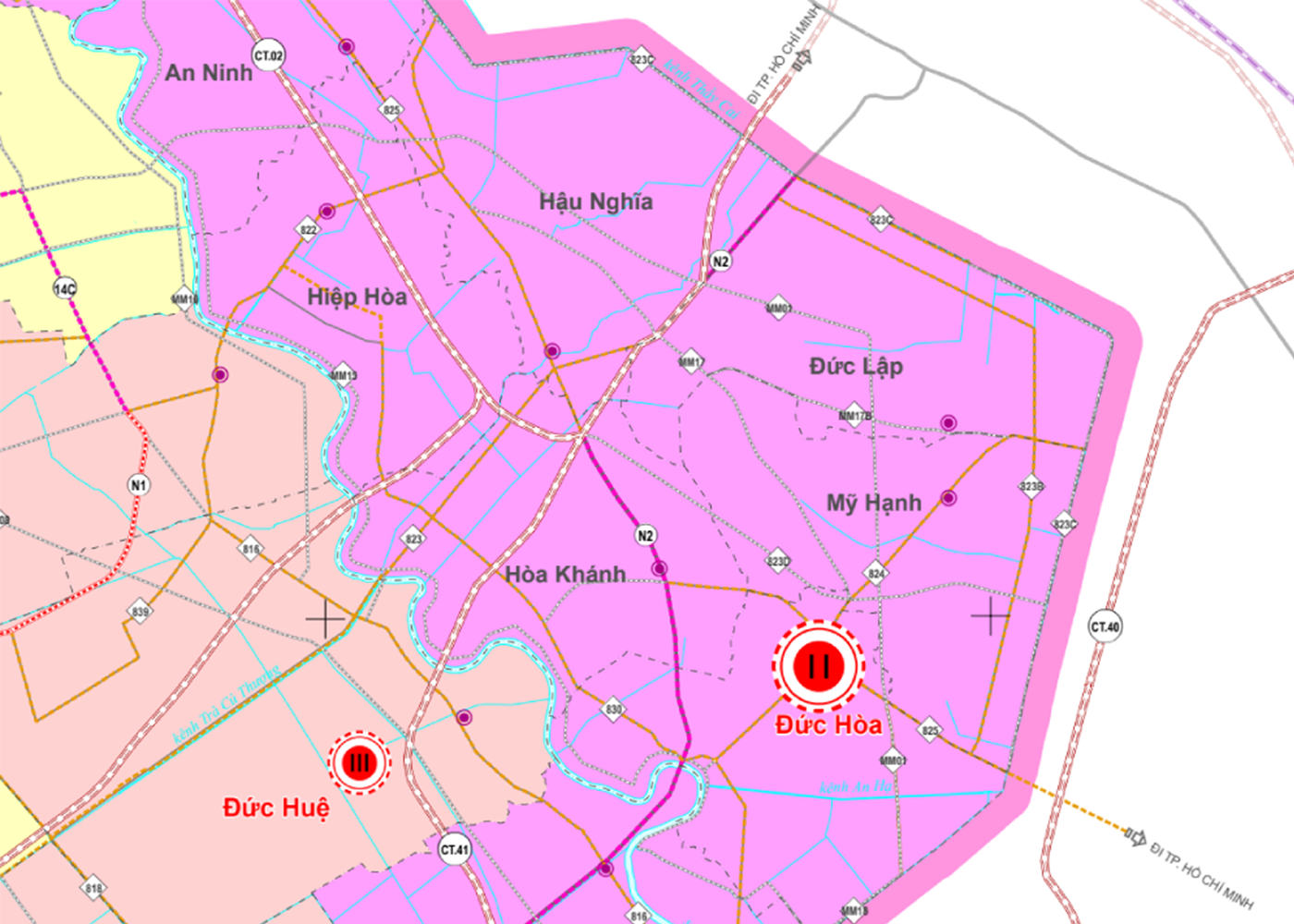
Announcement of the revised Tay Ninh 2030 planning: New administrative center in Duc Hoa - Hau Nghia.
According to the plan, the Tay Ninh Provincial Political and Administrative Center will be located in the northern area of Duc Hoa - Hau Nghia urban area. The specific construction location will be studied and proposed based on ensuring requirements for spatial development, connectivity, and synchronization of technical infrastructure and transportation systems of the province and the Southeast region.
View Details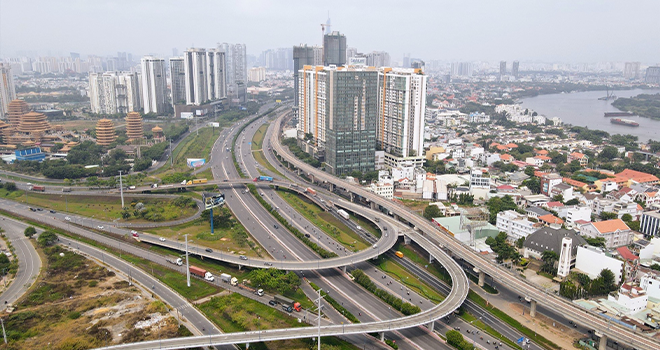
5 satellite cities help alleviate congestion in Ho Chi Minh City center.
Ho Chi Minh City - Thu Duc City is a highly interactive and innovative urban area in the East; Can Gio is a coastal ecological urban area; the southern urban area has Phu My Hung as its center; the southwestern urban area (Binh Chanh) is a gateway to the Mekong Delta; and the northwestern urban area is a gateway connecting to Binh Duong, Tay Ninh, and Cambodia.
View Details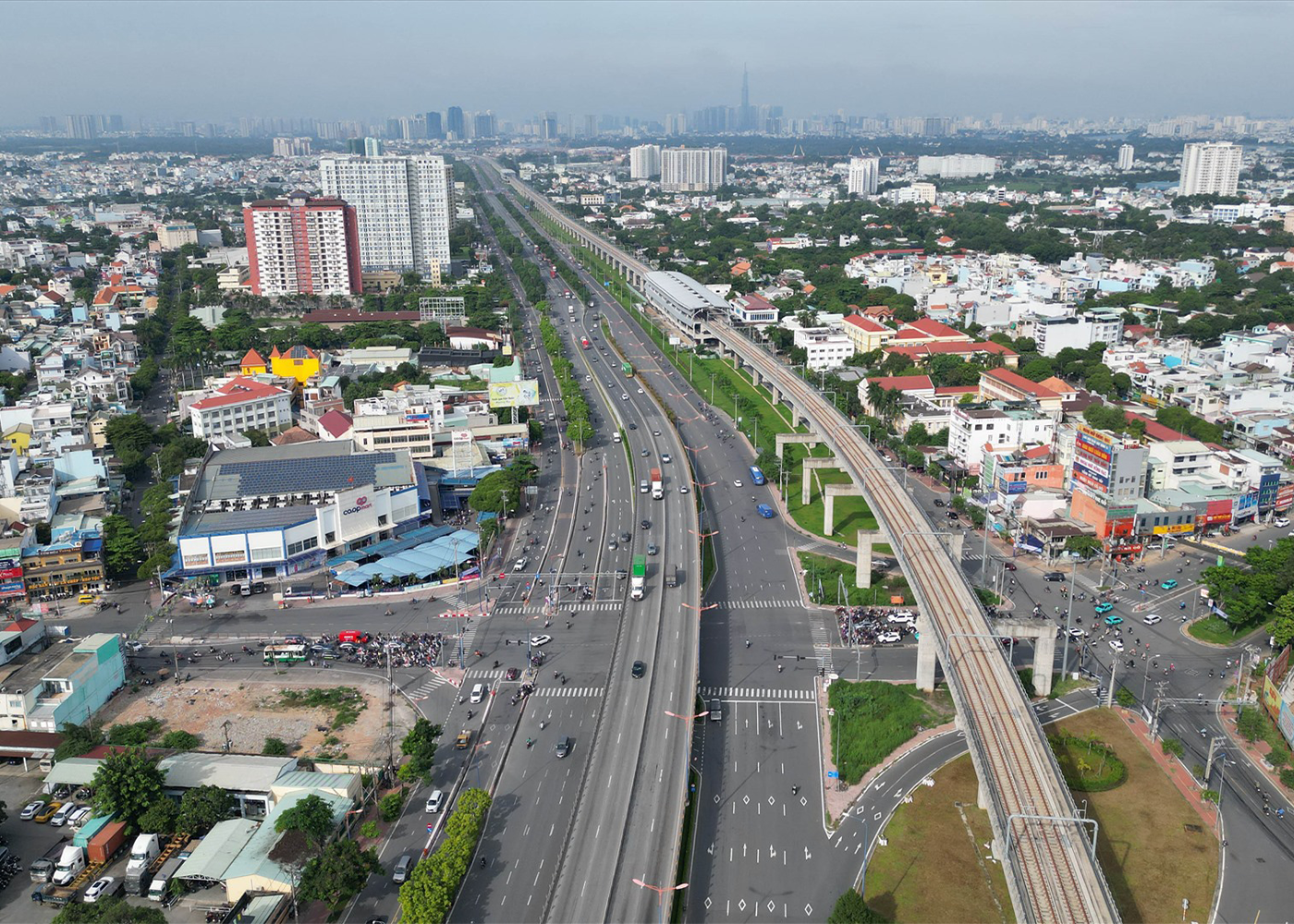
The important role of 5 satellite cities for Ho Chi Minh City.
Ho Chi Minh City will develop five satellite cities to alleviate population density and address a range of related issues such as traffic, pollution, and quality of life.
View Details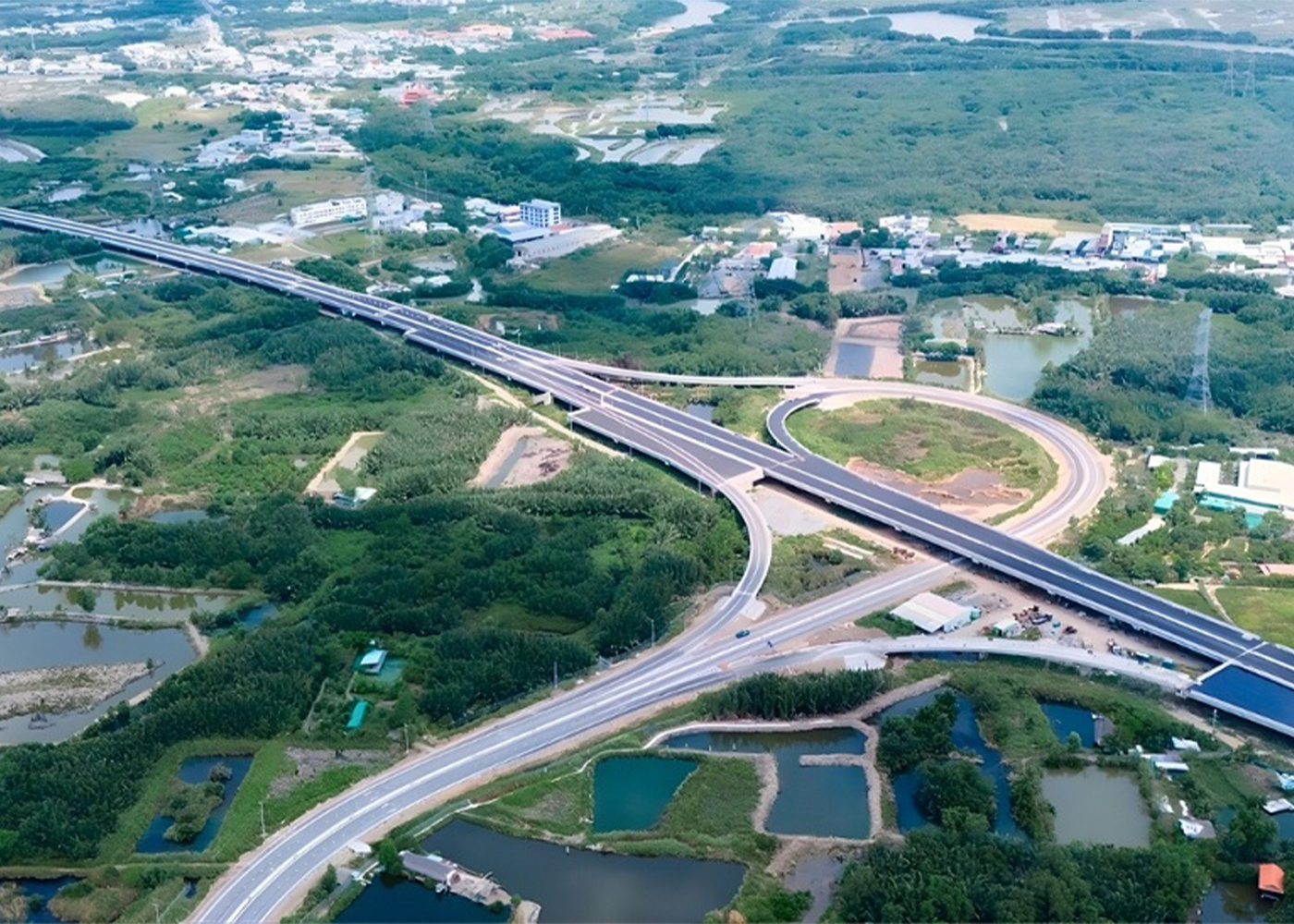
Ho Chi Minh City develops satellite cities.
The satellite cities in Ho Chi Minh City that will be formed after 2030 will not follow the mechanical process of upgrading districts to cities, but rather will be independent urban clusters connected via urban rail.
View Details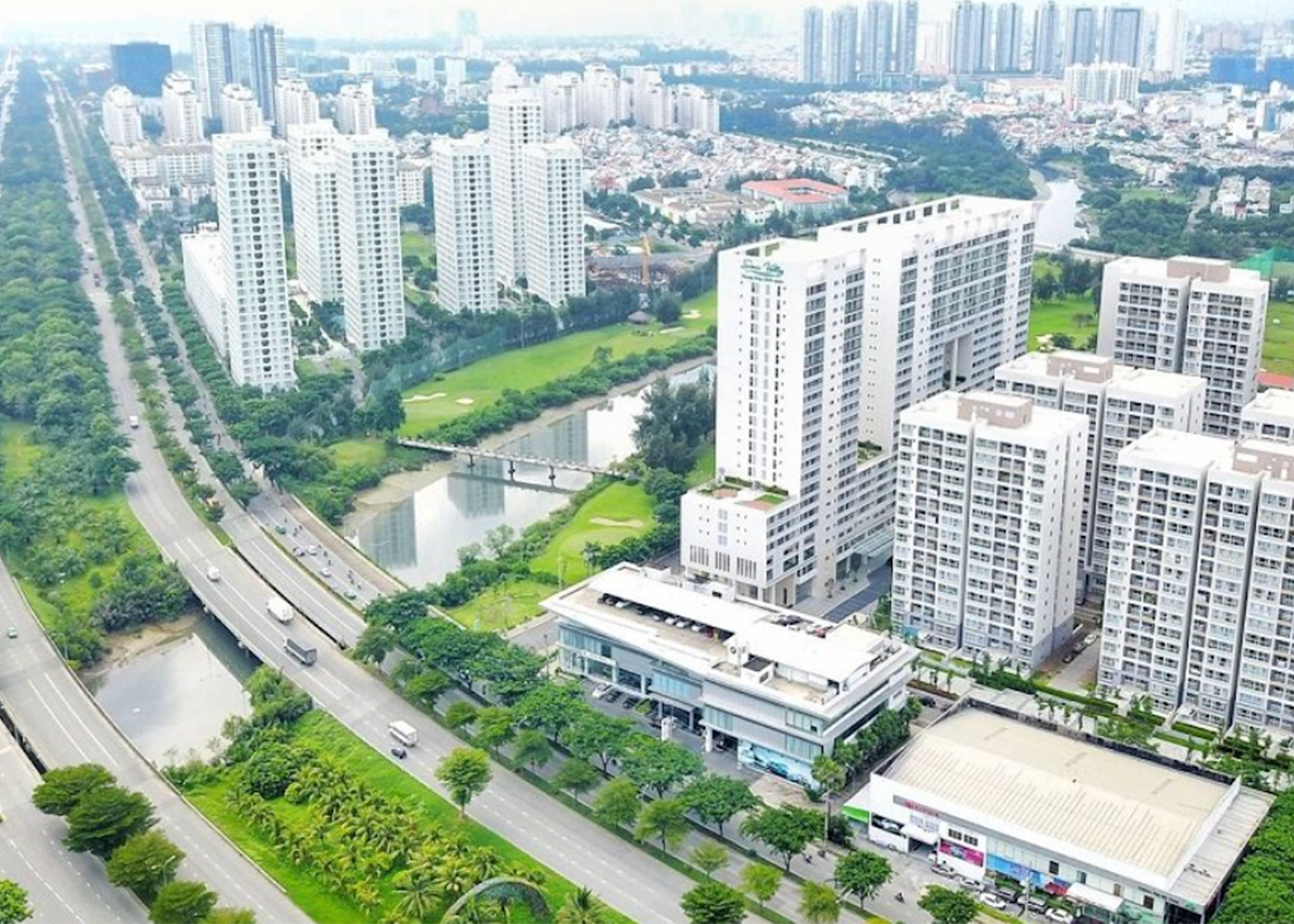
Chairman of Ho Chi Minh City: Develop 5 satellite cities based on the TOD model.
Besides Thu Duc City, Ho Chi Minh City is also developing four other satellite cities associated with the Transport-Oriented Development (TOD) model, including Can Gio, the South, Southwest, and Northwest areas.
View Details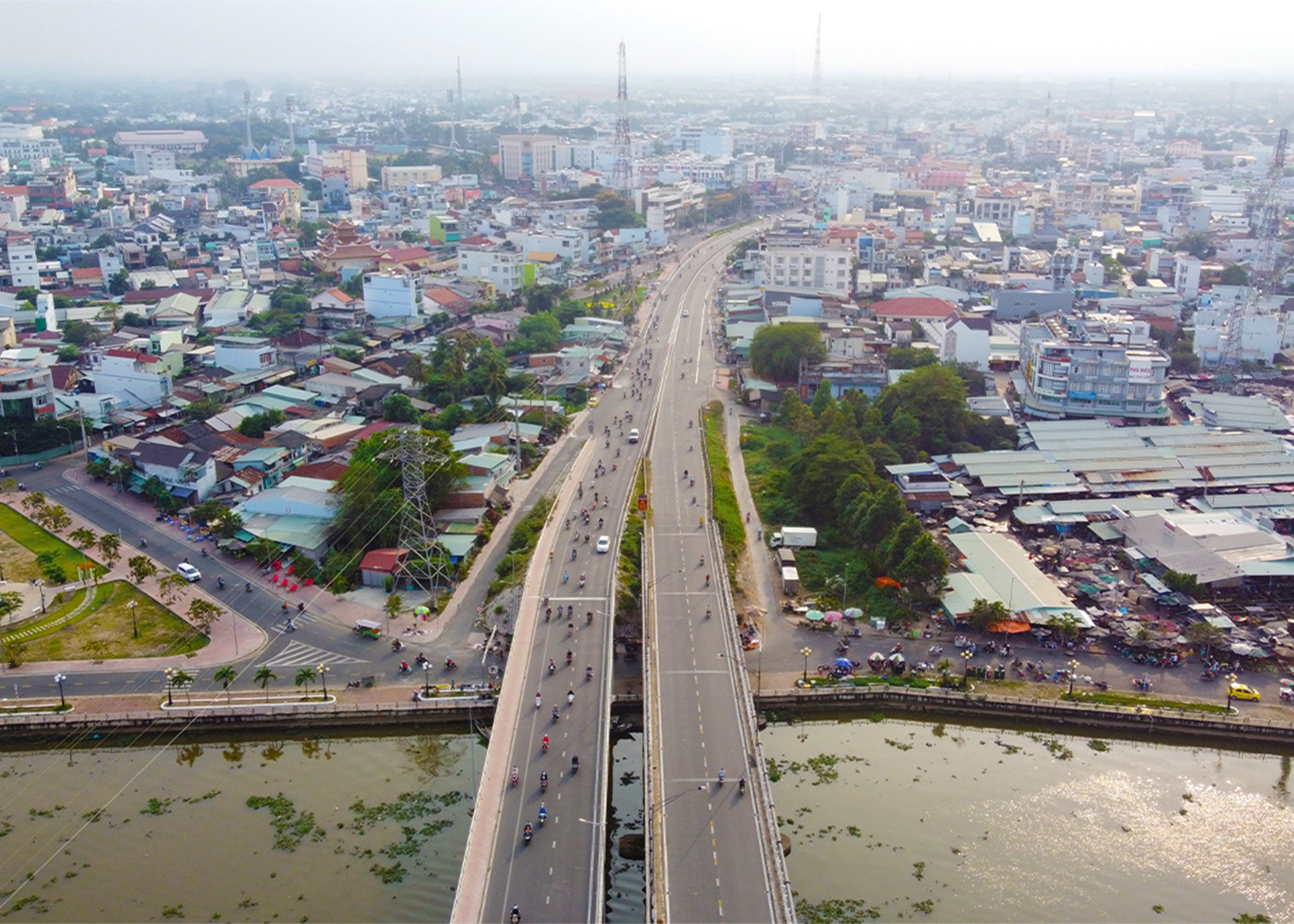
Real Estate Outlook 2026: From Global Trends to Growth Drivers in Vietnam
Entering 2026, the global real estate market is showing positive signs again, amidst a gradually stabilizing economy with new drivers, especially technology and artificial intelligence (AI).
View Details
The legal framework expands opportunities for overseas Vietnamese to invest in real estate in Vietnam.
According to data from the State Bank of Vietnam – Regional Branch 2, in the first nine months of 2025, Ho Chi Minh City recorded approximately US$7.94 billion in remittances, accounting for nearly 60% of the total remittances nationwide. The main sources of remittances were Asia (50%) and the Americas (30%).
View Details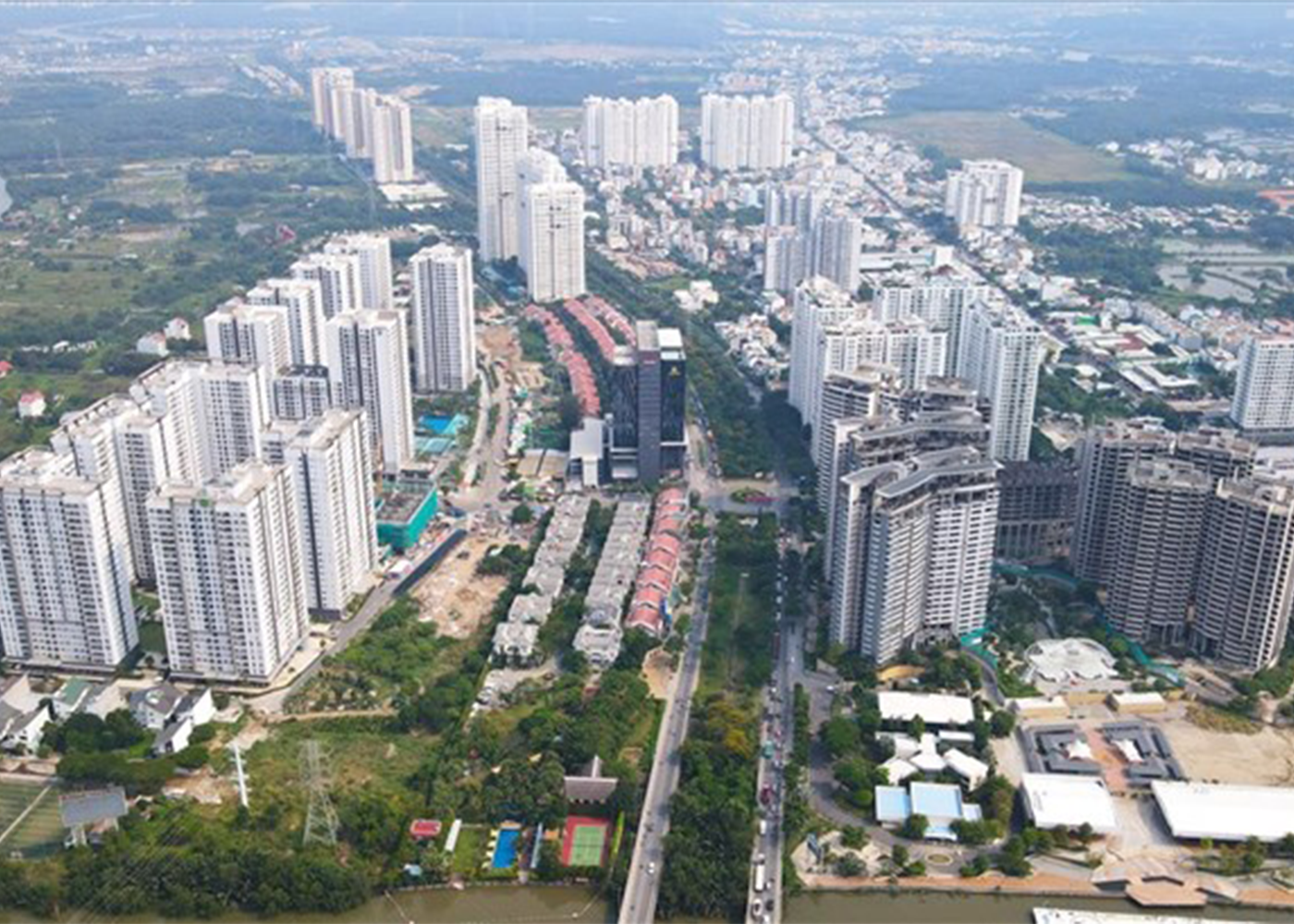
Fluctuations in capital costs and the adaptation challenge for homebuyers.
The upward adjustment in mortgage interest rates is making many buyers and investors more cautious in making financial decisions. According to experts, this is not a negative signal for the real estate market, but rather a factor that promotes a more sustainable adjustment process.
View Details
With abundant supply, the real estate market reflects a trend of diversified capital flows.
The widespread increase in supply, with a growing diversity of product types and price ranges, gives buyers more choices, while also making the trend towards selectivity more pronounced.
View Details
Understanding the property identification code applicable from March 1st.
From March 1st, 2026, electronic property identification codes will be issued to each property. So what do people need to know about the property identification codes that will be applied from March 1st?
View Details
Tay Ninh will relocate its new administrative and political center to Duc Hoa - Hau Nghia.
The Chairman of the People's Committee of Tay Ninh province, Le Van Han, has just signed and issued the revised Provincial Planning for the period 2021–2030, with a vision to 2050, aiming to shape a new development space and take advantage of its location bordering Ho Chi Minh City, Dong Nai, Dong Thap, and Cambodia.
View Details
Determined to increase market transparency and "close the gaps" in real estate transactions.
Recently, Prime Minister Pham Minh Chinh directed the urgent pilot operation of a cryptocurrency exchange platform, and simultaneously established a State-managed Real Estate and Land Use Rights Transaction Center, with the goal of implementation in February 2026. This is a strong move, clearly demonstrating the Government's determination to restructure and increase transparency in the real estate market…
View Details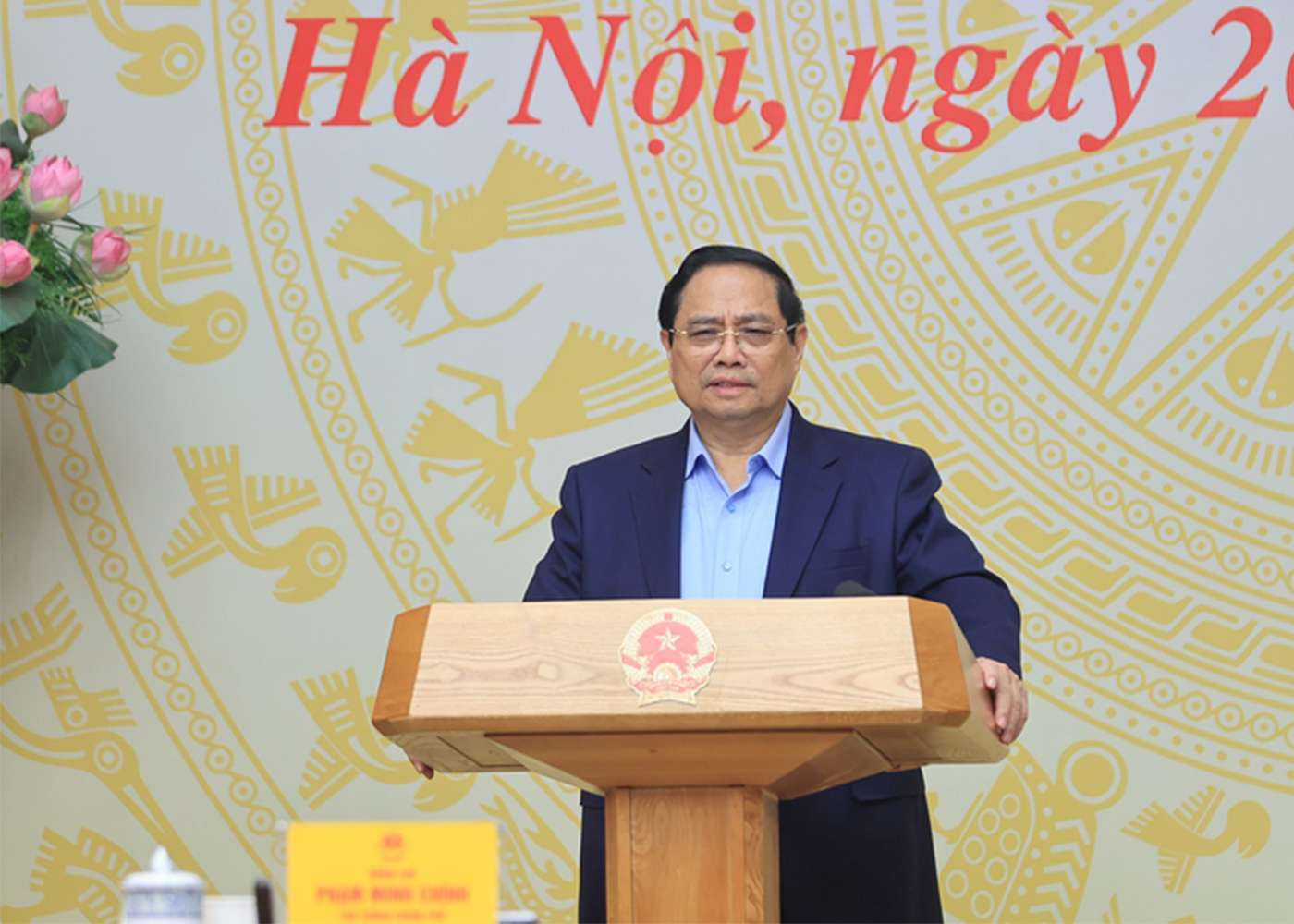
Expedite the finalization of documents for establishing a Real Estate and Land Use Rights Transaction Center; strictly control speculative real estate credit.
(Chinhphu.vn) - Prime Minister Pham Minh Chinh directed the urgent completion of the dossier for the establishment of a Real Estate and Land Use Rights Transaction Center; and requested strict control over speculative real estate credit, focusing on the actual housing needs of the people.
View Details
What Does the World Say About Vietnam's Real Estate Market?
In the context of Vietnam's real estate market moving beyond a period of profound adjustment and facing the imperative for comprehensive restructuring, the narrative of sustainable development is no longer merely a guiding slogan but has become a practical challenge of existential importance.
View Details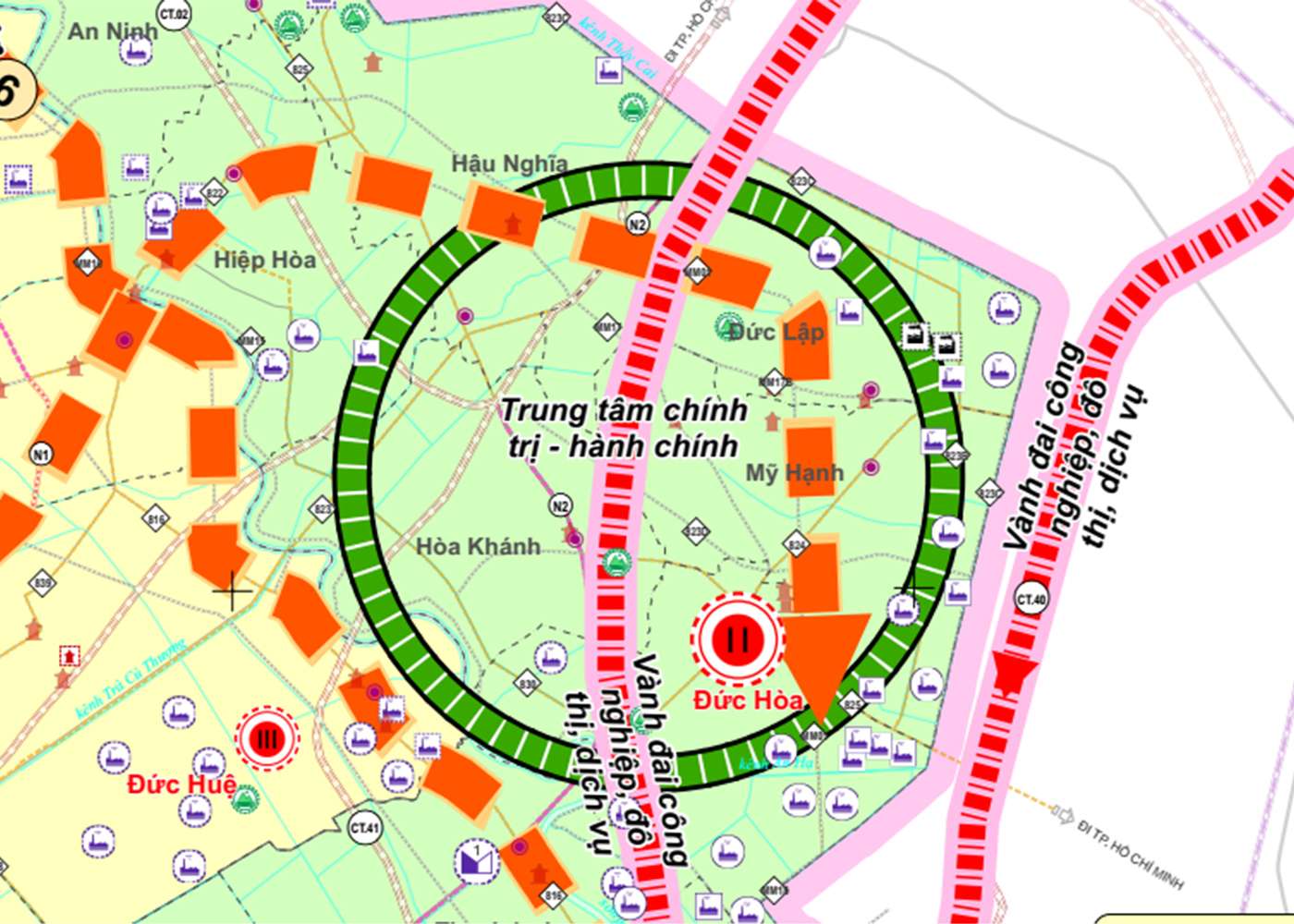
Tay Ninh Master Plan 2030: Duc Hoa – Hau Nghia OFFICIALLY Approved as Provincial Political and Administrative Center
At the 9th Session (specialized session) of the 10th Legislature, the People's Council of Tay Ninh Province officially adopted a Resolution on Adjusting the Tay Ninh Provincial Master Plan for the period 2021-2030, with a vision to 2050. The most significant highlight of this revised master plan is the designation of the Duc Hoa – Hau Nghia urban cluster as the new political and administrative center of the province, marking a strong transformation in the organization of development space following provincial consolidation.
View Details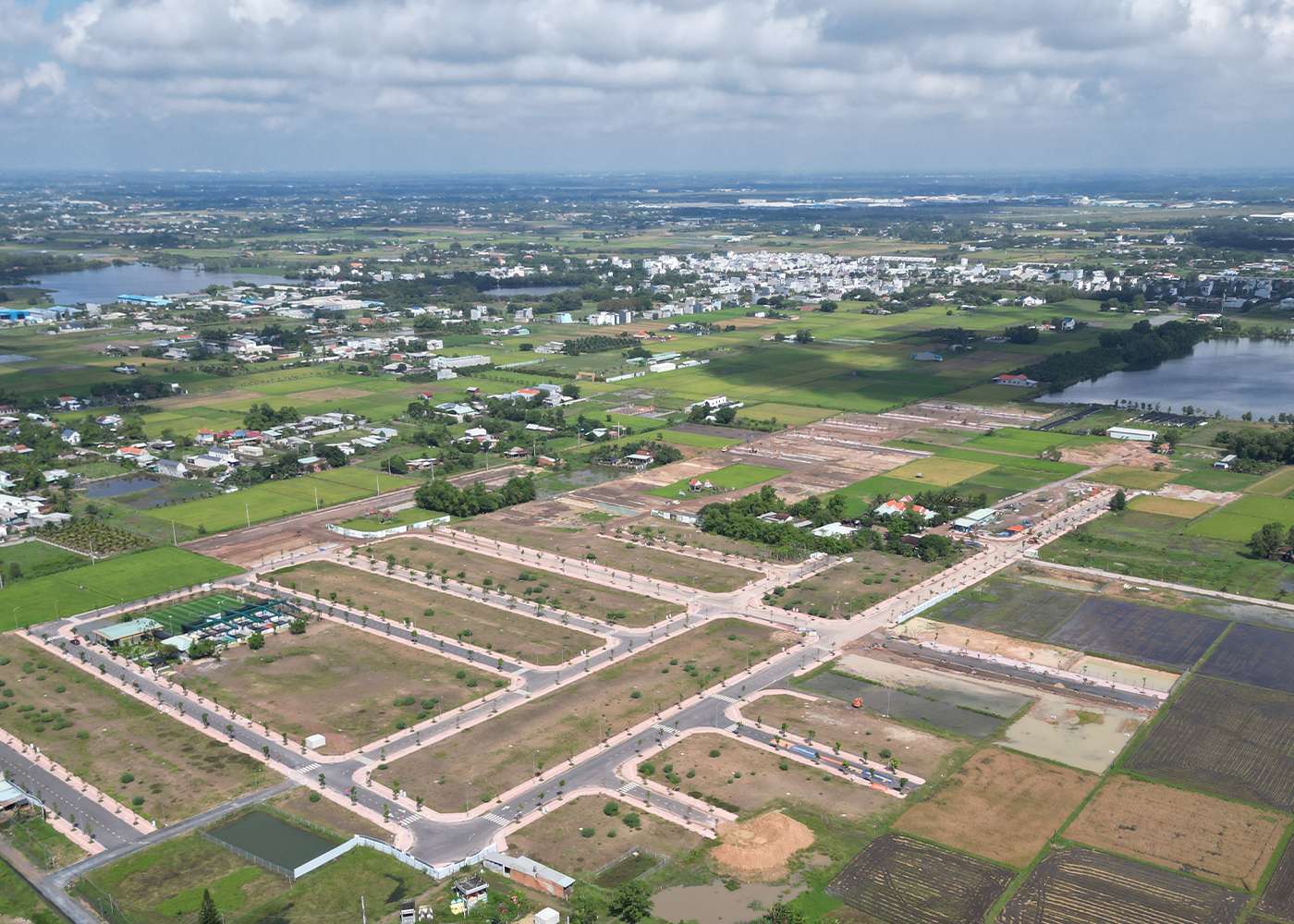
Sharp increases in land plot prices are observed, and the market is projected to witness an explosion of supply in 2026.
Land plot prices are set to keep increasing through 2025, as demand clearly improves and new supply is anticipated to make a strong comeback in 2026.
View Details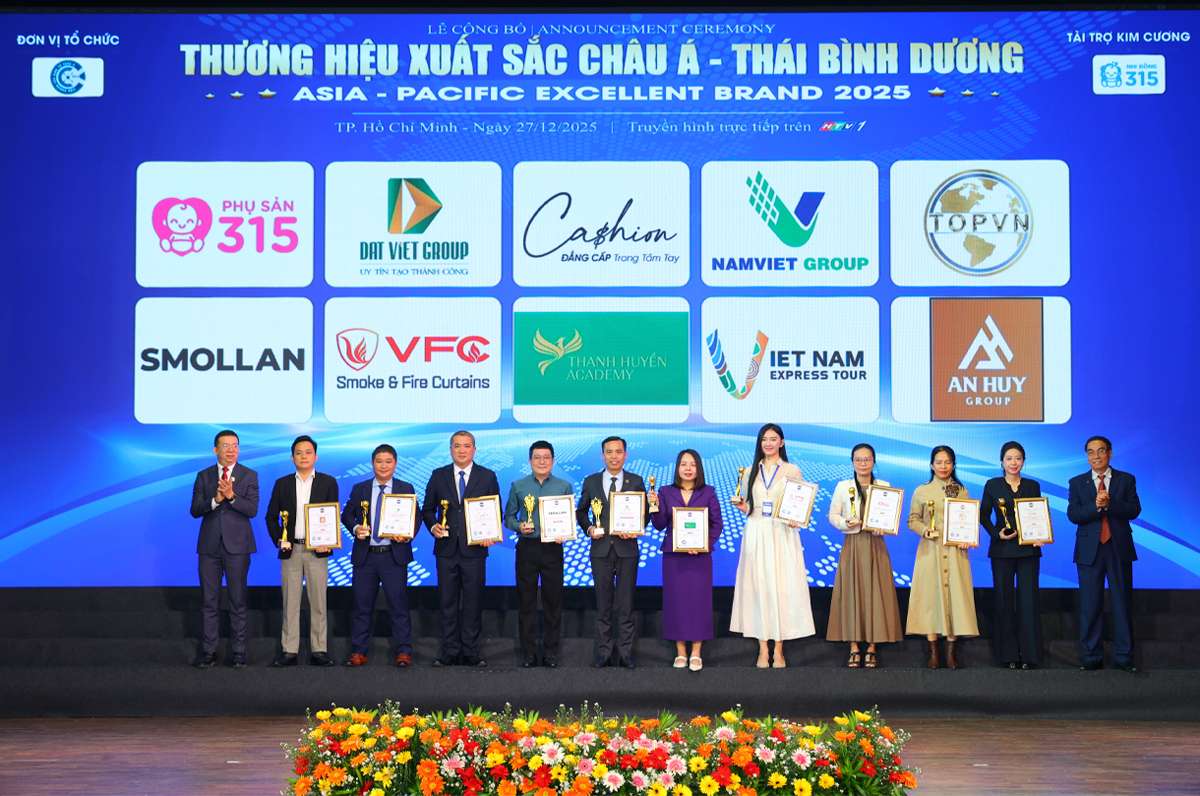
Legal Transparency Becomes An Huy Group's Competitive Advantage
Recently, An Huy Group distinguished itself by successfully meeting the stringent selection criteria to receive the "Top 10 Distinguished Legally Transparent Real Estate Enterprises" award.
View Details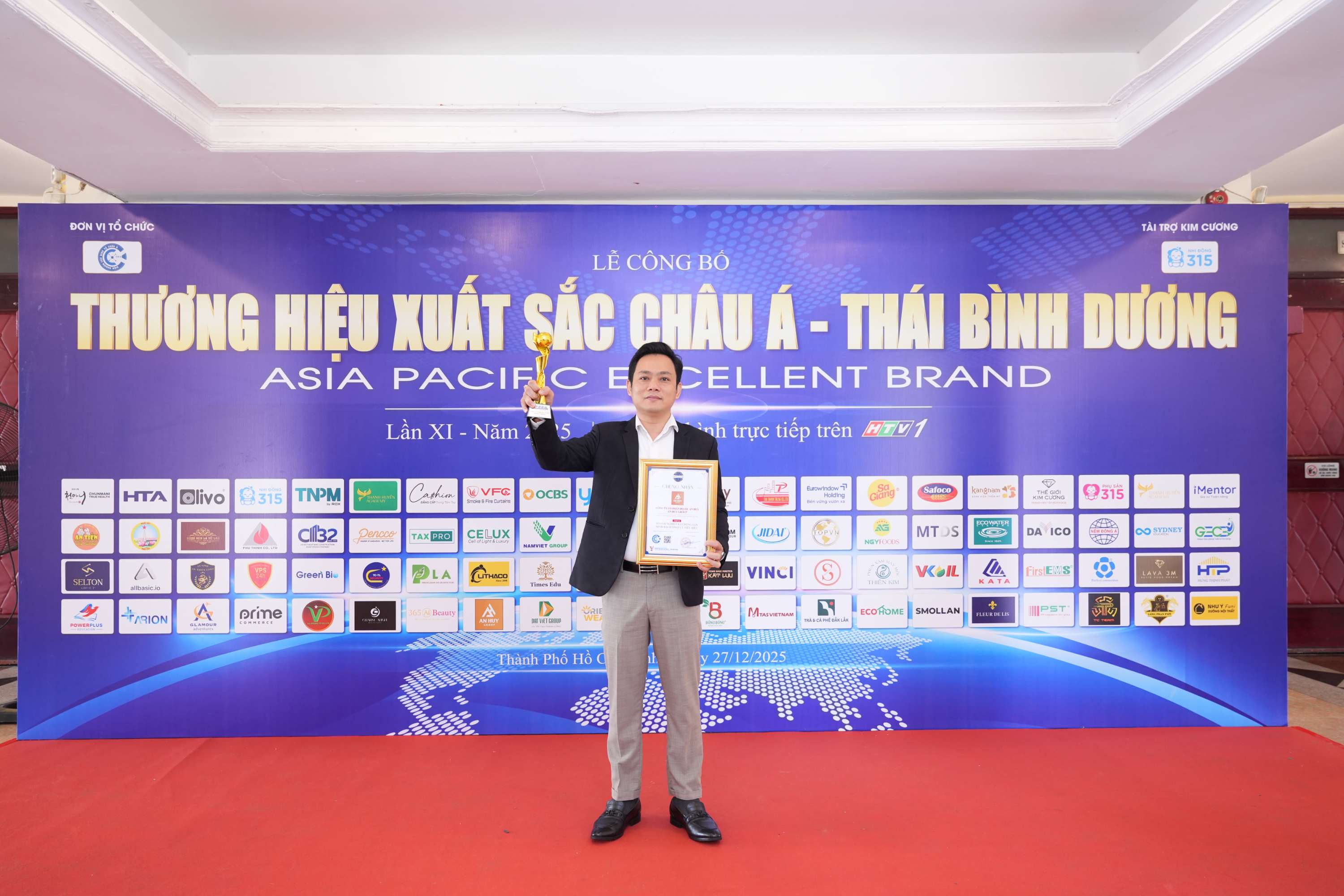
An Huy Group was honored as one of the “Top 10 Real Estate Enterprises with Outstanding Legal Transparency.”
Recently, at the announcement ceremony of the “Asia-Pacific Excellent Brand 2025”, Cong ty Dia oc An Huy (An Huy Group) successfully surpassed stringent evaluation criteria to receive the award “Top 10 Real Estate Enterprises with Outstanding Legal Transparency.”
View Details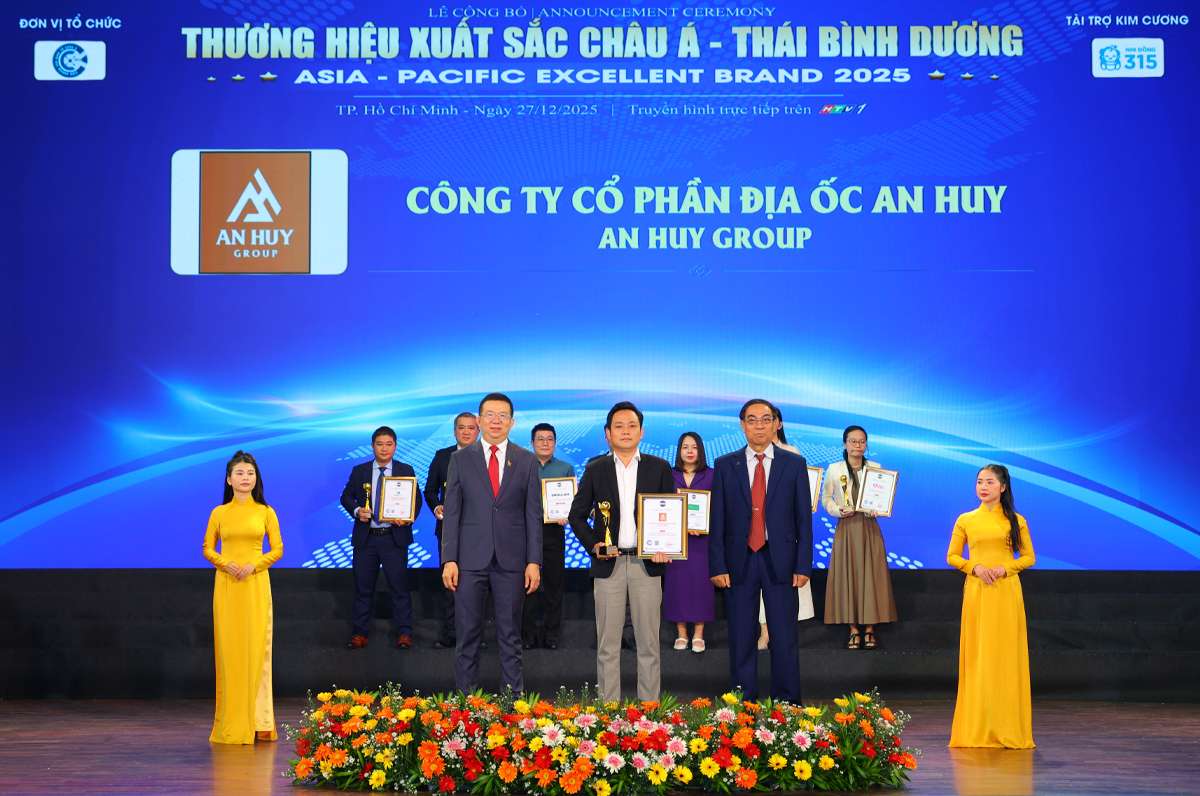
An Huy Group was honored as one of the “Top 10 Real Estate Enterprises with Outstanding Legal Transparency.”
Recently, at the announcement ceremony of the “Asia-Pacific Outstanding Brand 2025”, Cong ty Dia oc An Huy (An Huy Group) successfully met and surpassed stringent evaluation criteria to receive the award “Top 10 Real Estate Enterprises with Outstanding Legal Transparency.”
View Details
Announcement of Report: Real Estate in Tay Ninh Province After the Merger – Synergistic Strengths and Breakthrough Opportunities
On November 6, 2025, the Vietnam Real Estate Research Institute (VIRES) officially released the market report: "Real Estate in Tay Ninh Province After the Merger – Synergistic Strengths and Breakthrough Opportunities."
View Details
Pickleball Cup An Huy 2025 – 1st Edition: Spreading the Spirit of Sports, Connection, and Sharing
At noon on November 8, 2025, the atmosphere at the four Pickleball courts in An Huy My Viet Urban Area (Rung Sen Hamlet, Duc Lap Commune, Tay Ninh Province – formerly part of Duc Hoa District, Long An Province) became lively and exciting as the 1st An Huy Pickleball Cup – 2025 officially kicked off.
View Details
The Steadfast Advancement of An Huy Group with the Honor of “Asia’s Leading Trusted Brand 2025”
The title “Asia’s Leading Trusted Brand 2025,” recently awarded to An Huy Group, marks a proud milestone that recognizes the company’s more than two decades of steadfast effort in affirming the stature of a Vietnamese brand.
View Details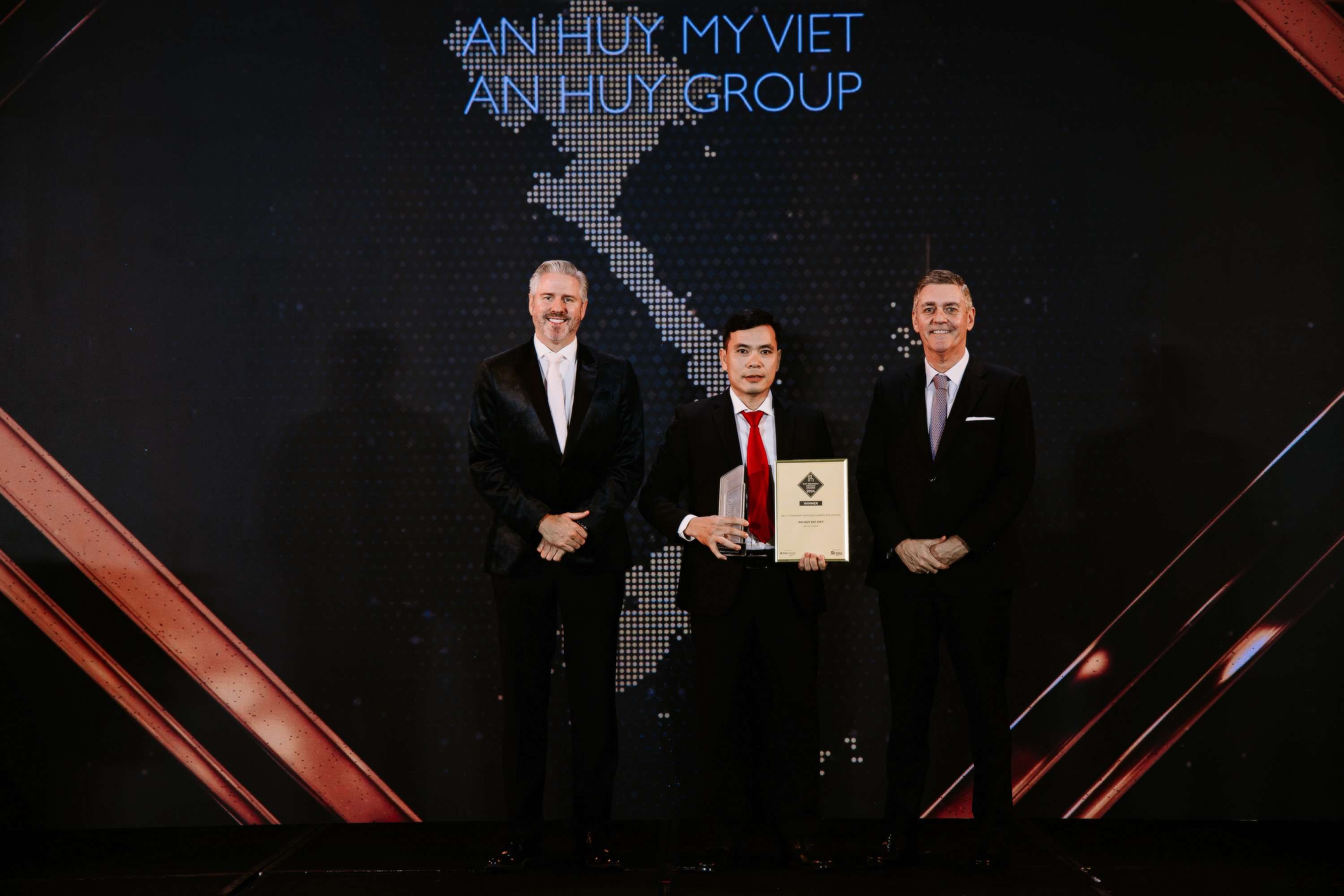
The An Huy My Viet Project wins the Best Township Heritage Landscape Design Vietnam 2024 award.
At the DOT Property Vietnam Awards 2024 ceremony held on September 26, 2024, the An Huy My Viet Project, developed by An Huy Group, excelled in winning the “Best Township Heritage Landscape Design Vietnam 2024” award.
View Details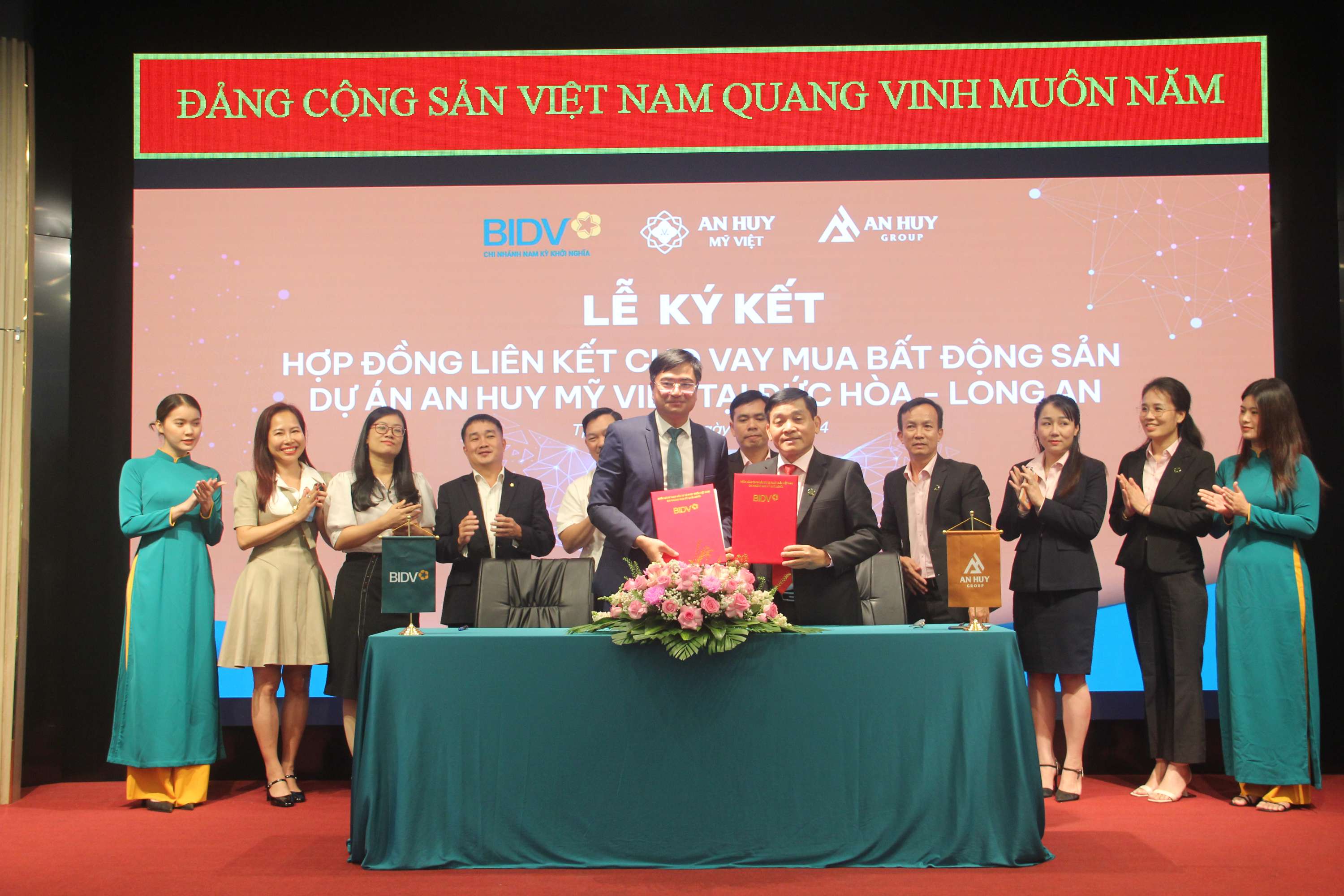
BIDV Bank and An Huy Group Sign Credit Financing Partnership Agreement
On September 6, 2024, the Bank for Investment and Development of Vietnam (BIDV) and An Huy Real Estate Joint Stock Company (An Huy Group) held a signing ceremony to establish a partnership supporting customers in obtaining financing when purchasing real estate products at the An Huy My Viet Urban Area.
View Details
Notice: Warning Against Fraudulent Use of the An Huy Group and An Huy My Viet Brands
Currently, An Huy Group is developing the An Huy My Viet Urban Area in My Hanh Bac Commune, Duc Hoa District, Long An Province. The An Huy My Viet Project has officially commenced construction and is being implemented in strict compliance with current real estate investment laws and regulations.
View Details