Amid the strong emergence of the Tay Ninh real estate market, An Huy Mỹ Việt asserts its pioneering position through a sustainable development strategy, focusing on real value and long-term benefits for customers.
Communication
Company news
Sharp increases in land plot prices are observed, and the market is projected to witness an explosion of supply in 2026.
Land plot prices are set to keep increasing through 2025, as demand clearly improves and new supply is anticipated to make a strong comeback in 2026.
Following a period of subdued activity, the real estate market in 2025 witnessed a clear return of investment capital and genuine residential demand in many areas. Improved liquidity contributed to a gradual increase in price levels across most segments, particularly for products with complete legal documentation, favorable locations, and established infrastructure.
In this context, the prolonged situation of supply scarcity continued to be a dominant factor influencing price trends in the market.
Mr. Le Dinh Chung, General Director of SGO Homes, stated that in 2025, the low-rise housing and undeveloped land segments recorded common increases in asking prices ranging from 5-10%. Many developers adopted flexible construction schedules to alleviate initial financial pressure on investors. Some projects allocated an exclusive product pool with preferential policies for customers committed to early occupancy, simultaneously restricting transfers to prioritize the formation of a genuine residential community.
According to a report by the Vietnam Association of Real Estate Brokers (VARS), specifically for the undeveloped land segment, newly offered land plot prices in many projects recorded increases of up to 20%. The primary reason for this is largely attributed to prolonged supply scarcity, while demand for investment and asset accumulation remains consistently high.
In the secondary market, undeveloped land prices rose by 20-100% in certain areas with previously lower price bases. Overall prices for low-rise housing also saw an increase of approximately 20% compared to the same period last year. Transactions primarily concentrated in projects priced between VND 100-200 million/m², located in established urban areas with existing residents and synchronous infrastructure and amenities. Conversely, many villa and townhouse products, despite recording high price increases, still experienced limited liquidity due due to incomplete projects, unfavorable connectivity, or underdeveloped local infrastructure.
In the tourism and resort real estate segment, the market recorded a clear yet selective recovery. Supply increased fourfold compared to 2024 and achieved an absorption rate of approximately 55%. Transactions mainly focused on coastal urban projects and large-scale resort townships developed by reputable investors. Multi-functional coastal urban models, which combine residential, leisure, and long-term investment needs, are gradually replacing traditional resort models.
The industrial, commercial – retail, and office real estate segments continued to maintain positive development momentum. Industrial real estate saw an expansion in both scale and quality, with 478 industrial parks established, of which 324 are operational, totaling approximately 95.7 thousand hectares of natural land. New industrial parks are oriented towards modern models, while existing ones are gradually transitioning to ecological and smart models, aiming for Net Zero goals and attracting a new generation of FDI.
In the commercial – retail segment, 2025 recorded over 418,000 m² of new supply, a 1.4-fold increase compared to 2024. The race to develop shopping centers remained vibrant, focusing on large-scale complexes offering diverse experiences integrated with major urban areas. The office segment added over 200,000 m² of new floor space, with a trend of shifting towards West Hanoi and the outskirts of Ho Chi Minh City, prioritizing modern, green-certified buildings, even as competitive pressure in some areas is increasing.
Communicated by An Huy Group
Related News
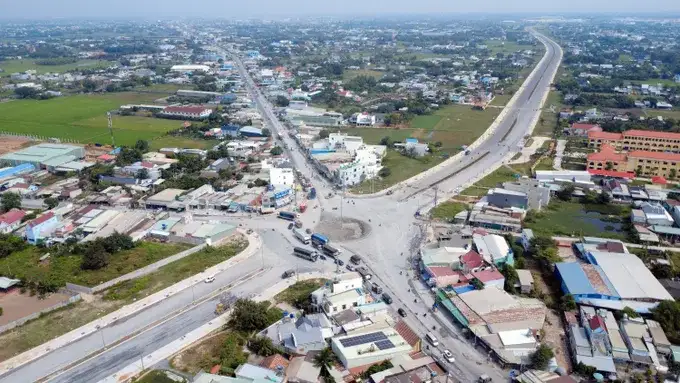
Tay Ninh Prepares Project to Become Centrally Run City
Tay Ninh expects to complete the draft project to convert itself into a centrally run city in October, submitting it to provincial authorities for review before reporting to the Politburo for approval.
View Details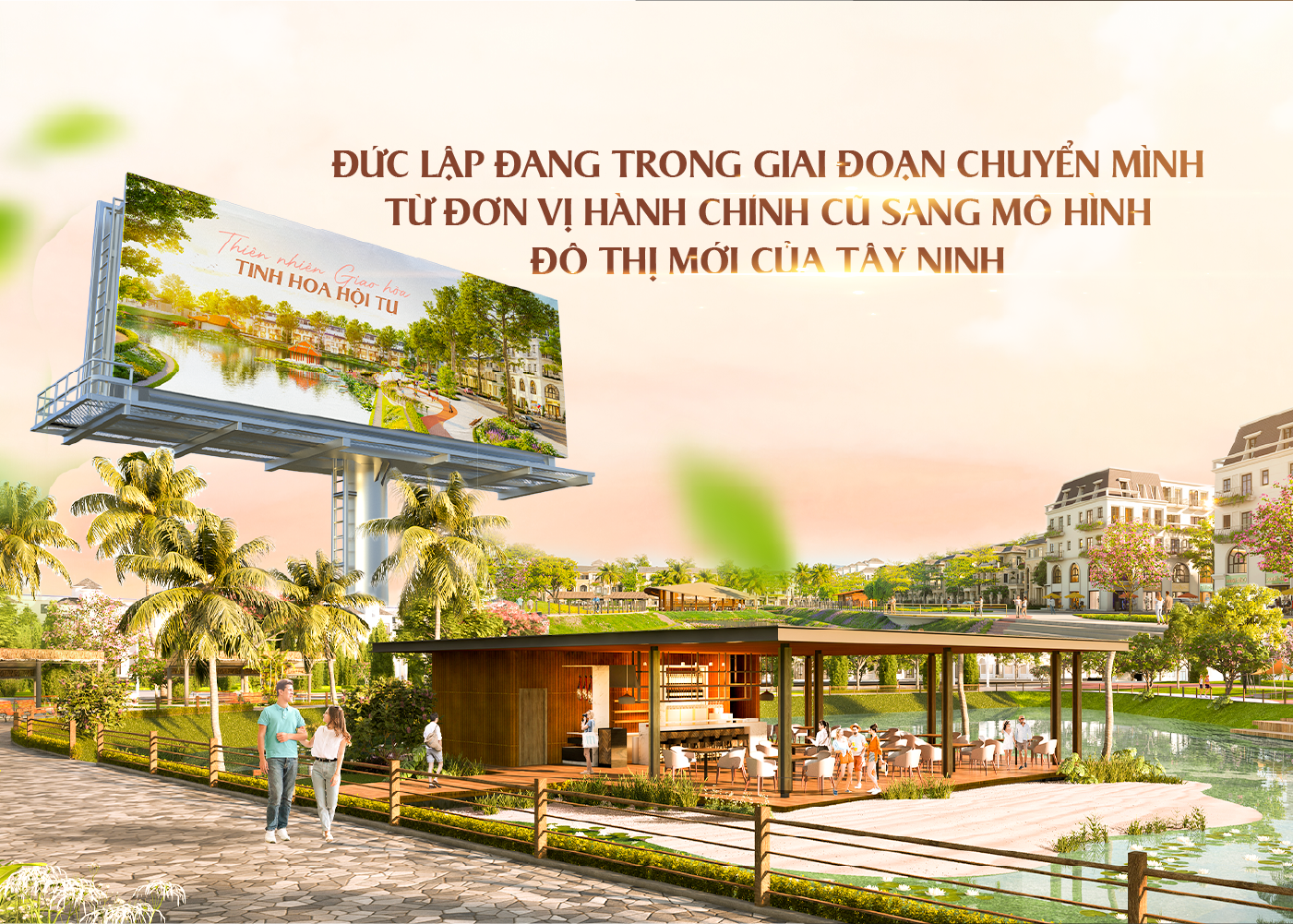
Duc Lap is undergoing a transformation from its former administrative structure into one of Tay Ninh's emerging urban centers.
The expansion of administrative boundaries and the strategic reallocation of public investment are quietly yet decisively driving a major transformation across the Northwestern gateway. Following the administrative merger, the newly established Duc Lap area-comprising Duc Lap Ha Commune, My Hanh Bac Commune, and part of the former Duc Hoa Thuong Commune-with a total area of over 59 square kilometers and a population exceeding 31,000, has officially entered a new phase of development under Tay Ninh Province's evolving infrastructure network and policy framework. This pivotal transformation is not only reshaping the region's demographic landscape but also directly triggering a new valuation cycle for the entire local real estate market. Entering the second half of 2026, the area is increasingly taking shape as a model satellite urban center, well positioned to capture the growing migration from the urban core of Ho Chi Minh City, supported by highly competitive property prices and the rapid completion of project legal procedures.
View Details
H2 2026 Real Estate Market Scenario: When Capital Stops Chasing Short-Term Gains and Finds Long-Term Value at An Huy My Viet
The real estate market in the second half of 2026 is witnessing unexpected developments that go beyond the forecasts and conventional scenarios of previous periods. The era of speculative waves and impulsive investment decisions driven by herd mentality has officially come to an end, giving way to a new market cycle. This inevitable transformation marks a major market correction, where intrinsic value and long-term wealth accumulation take center stage, reshaping the landscape for both investors and homebuyers seeking a stable place to live and build their future in emerging satellite urban areas.
View Details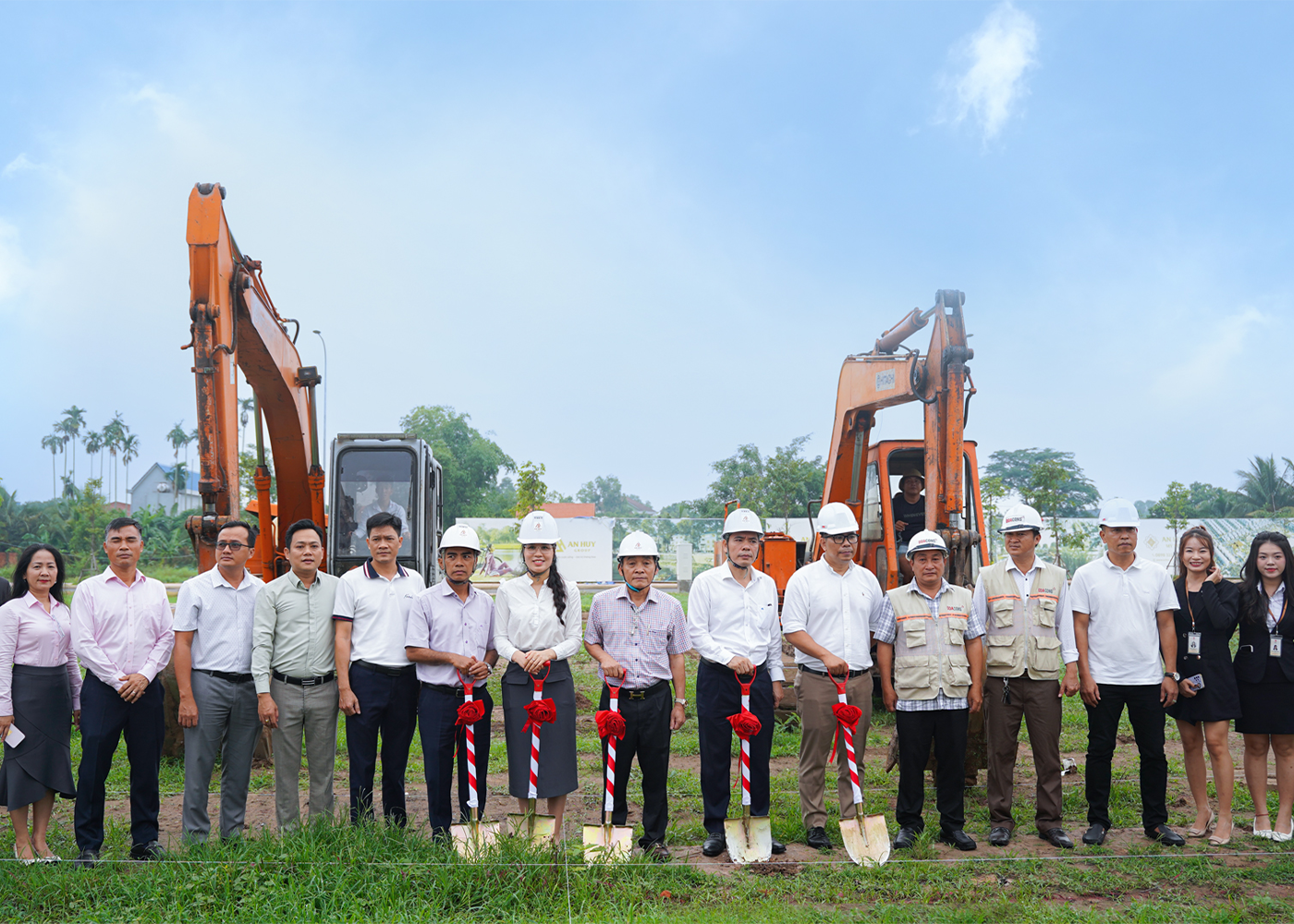
Construction begins on the An Huy My Viet model house complex: Increased appeal thanks to completed infrastructure, ready for immediate construction.
The groundbreaking ceremony for the model house area of the An Huy My Viet project, organized by An Huy Group, is attracting considerable attention from the market in the Northwest of Ho Chi Minh City. This is considered an important activity in the project's development process, and also a step to affirm the role and implementation capacity of the investor for the strategic An Huy My Viet project located in My Hanh Bac commune, Duc Hoa district, Long An province (now Duc Lap commune, Tay Ninh province).
View Details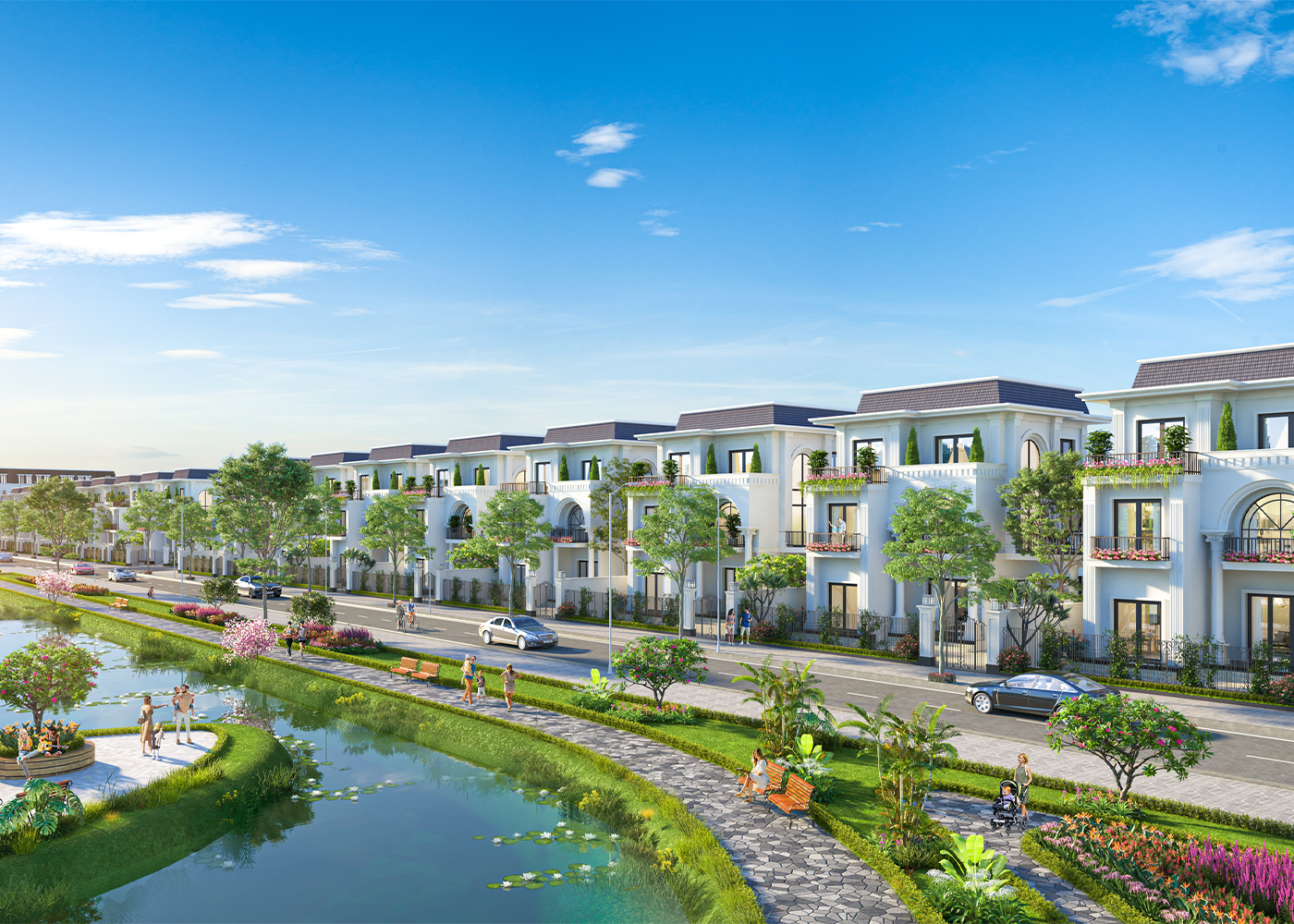
An Huy My Viet commences construction of model homes: A vivid testament to its commitment to secure comfortable living and real assets.
The groundbreaking ceremony for the model house area at the An Huy My Viet urban area, recently organized by An Huy Group, has become an event attracting special attention from the real estate market in the Northwest of Ho Chi Minh City. More than just a ceremonial event, this occasion marks a significant step in the project's development journey and clearly affirms the investor's strong commitment to building a truly sustainable urban area for long-term residential needs, rather than just making promises on paper.
View Details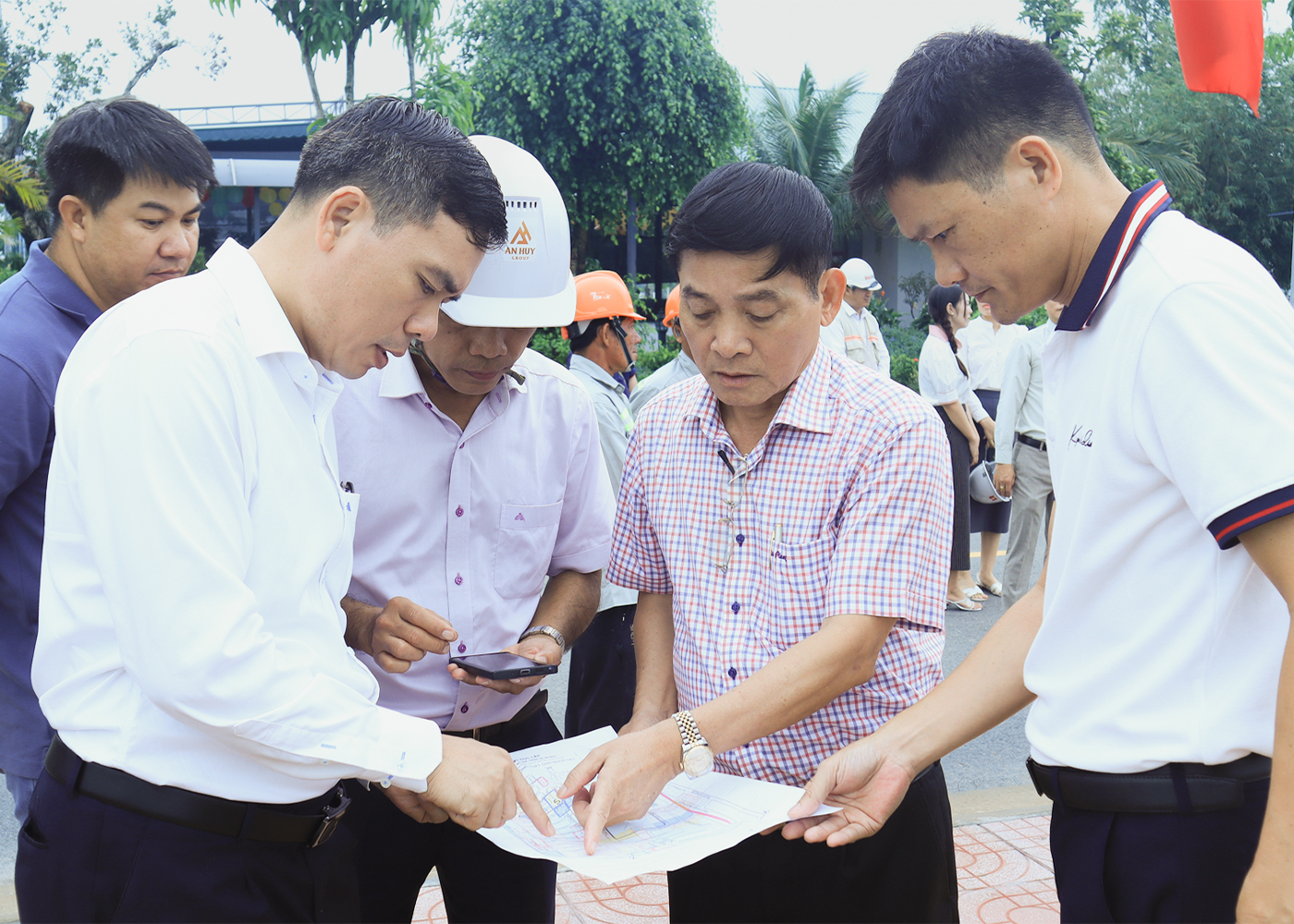
An Huy My Viet commences construction of model house area: A strong signal from completed infrastructure projects in Northwest Ho Chi Minh City.
The groundbreaking ceremony for the model house area of the An Huy My Viet project, organized by An Huy Group, took place on May 31, 2026, attracting significant attention from the real estate market in the Northwest area of Ho Chi Minh City.
View Details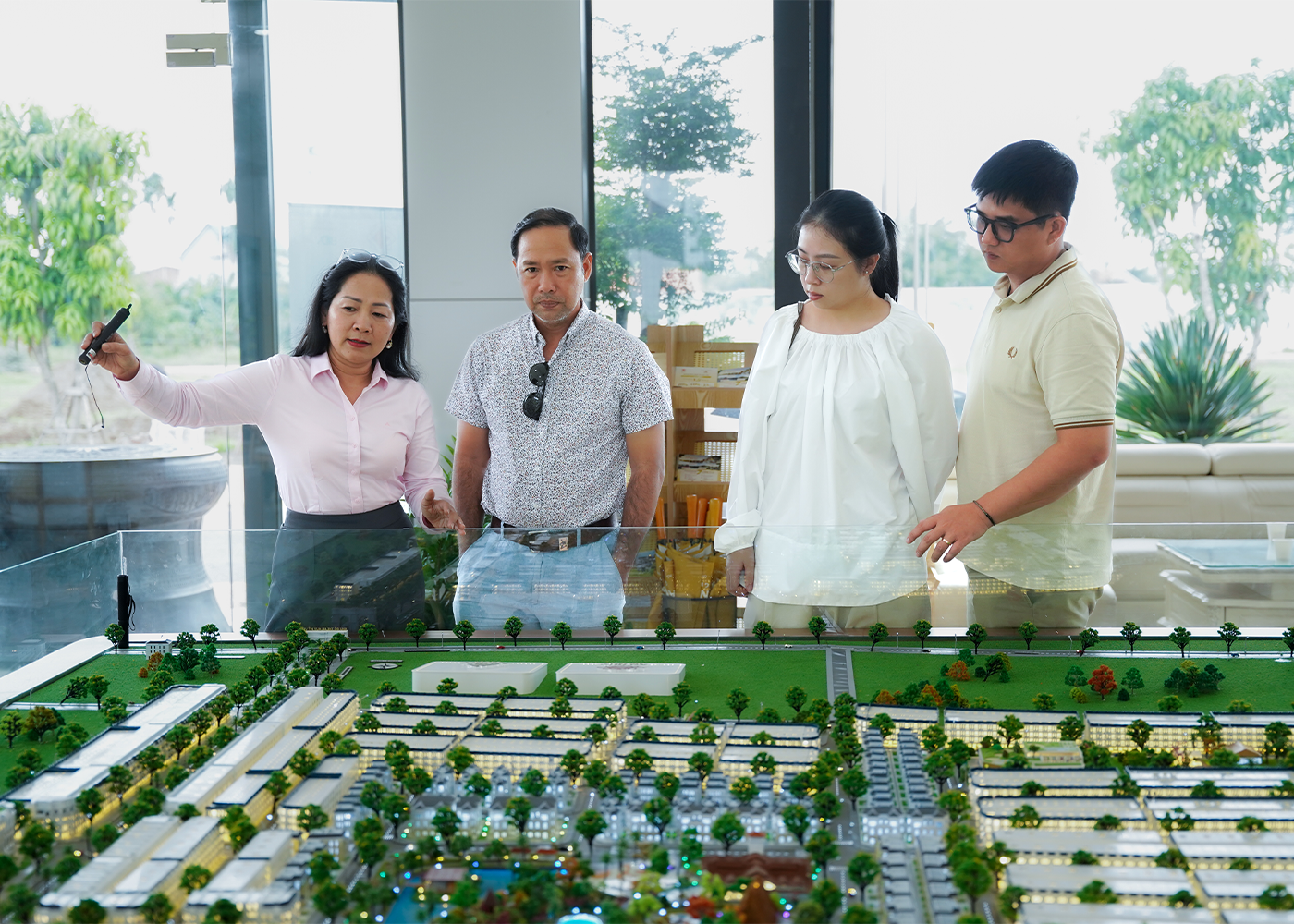
An Huy My Viet begins construction of model house area.
The groundbreaking ceremony for the model house area at the An Huy My Viet urban area, recently organized by An Huy Group, has become an event that has attracted special attention from the real estate market in the Northwest of Ho Chi Minh City.
View Details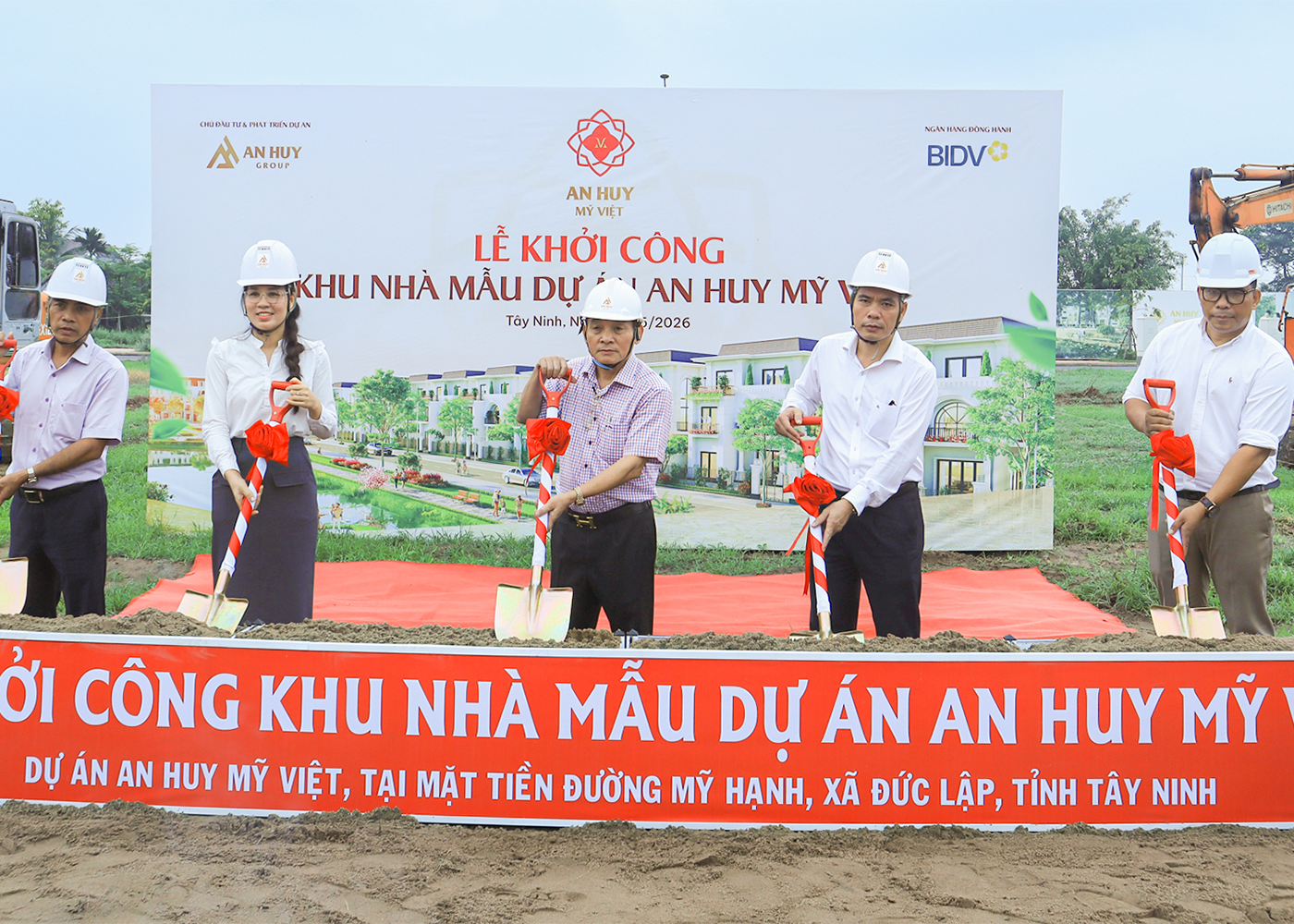
An Huy My Viet commences construction of model houses in Duc Lap: A new sign of development for Tay Ninh real estate.
The groundbreaking ceremony for the model house area of the An Huy My Viet Urban Area project, organized by An Huy Group, recently took place, attracting the attention of many people and investors in Tay Ninh province. This is an important event marking a new stage of development for the project in Duc Lap commune, contributing to promoting urbanization and socio-economic development in the locality.
View Details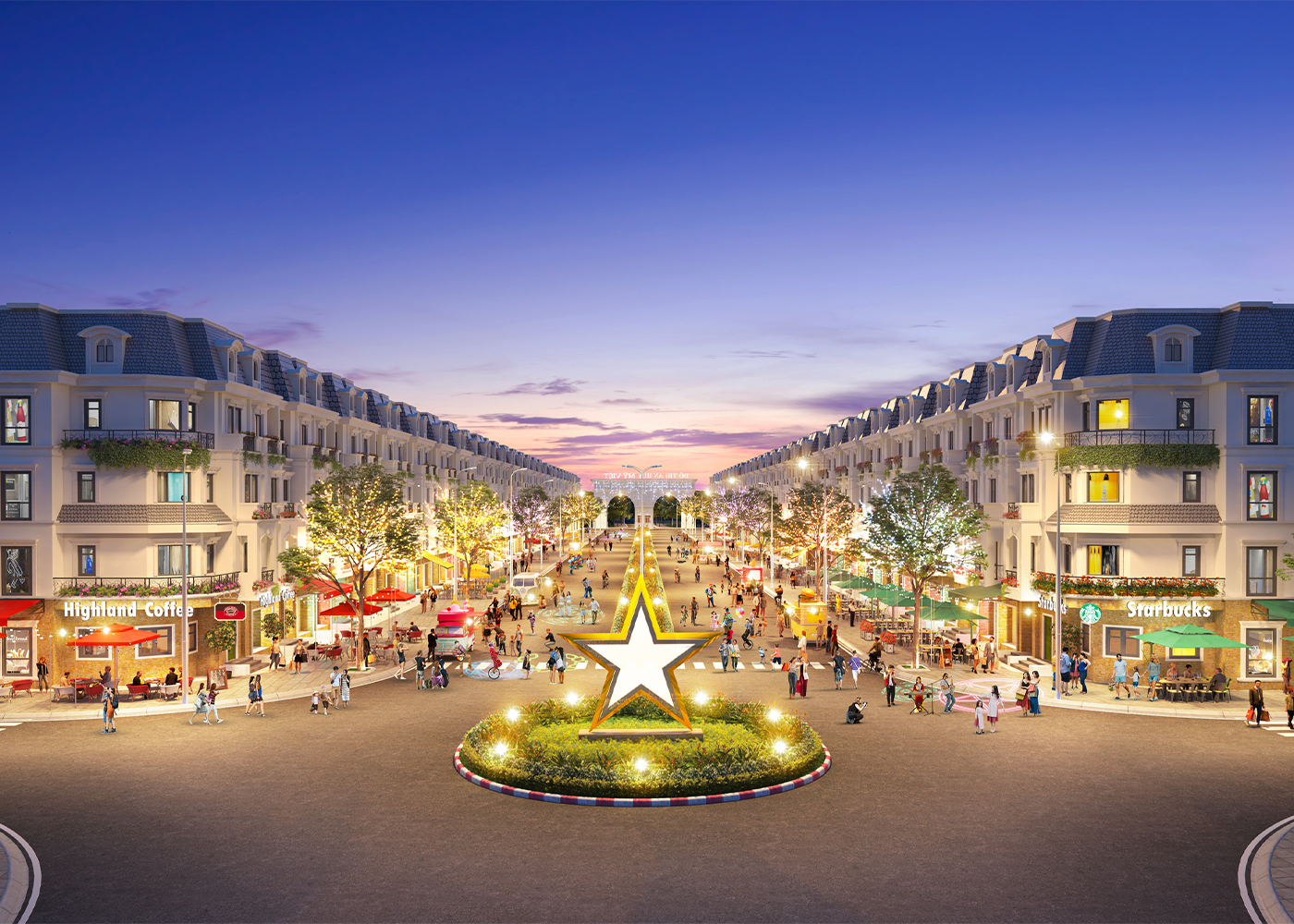
Decoding the housing pressure in Ho Chi Minh City: An Huy My Viet – A practical and distinctive solution in Duc Lap.
Finding affordable housing in Ho Chi Minh City is becoming a major challenge for thousands of young families today. Inner-city housing prices have remained consistently high for many years, while traffic congestion worsens, population density increases, and the cost of living continues to rise.
View Details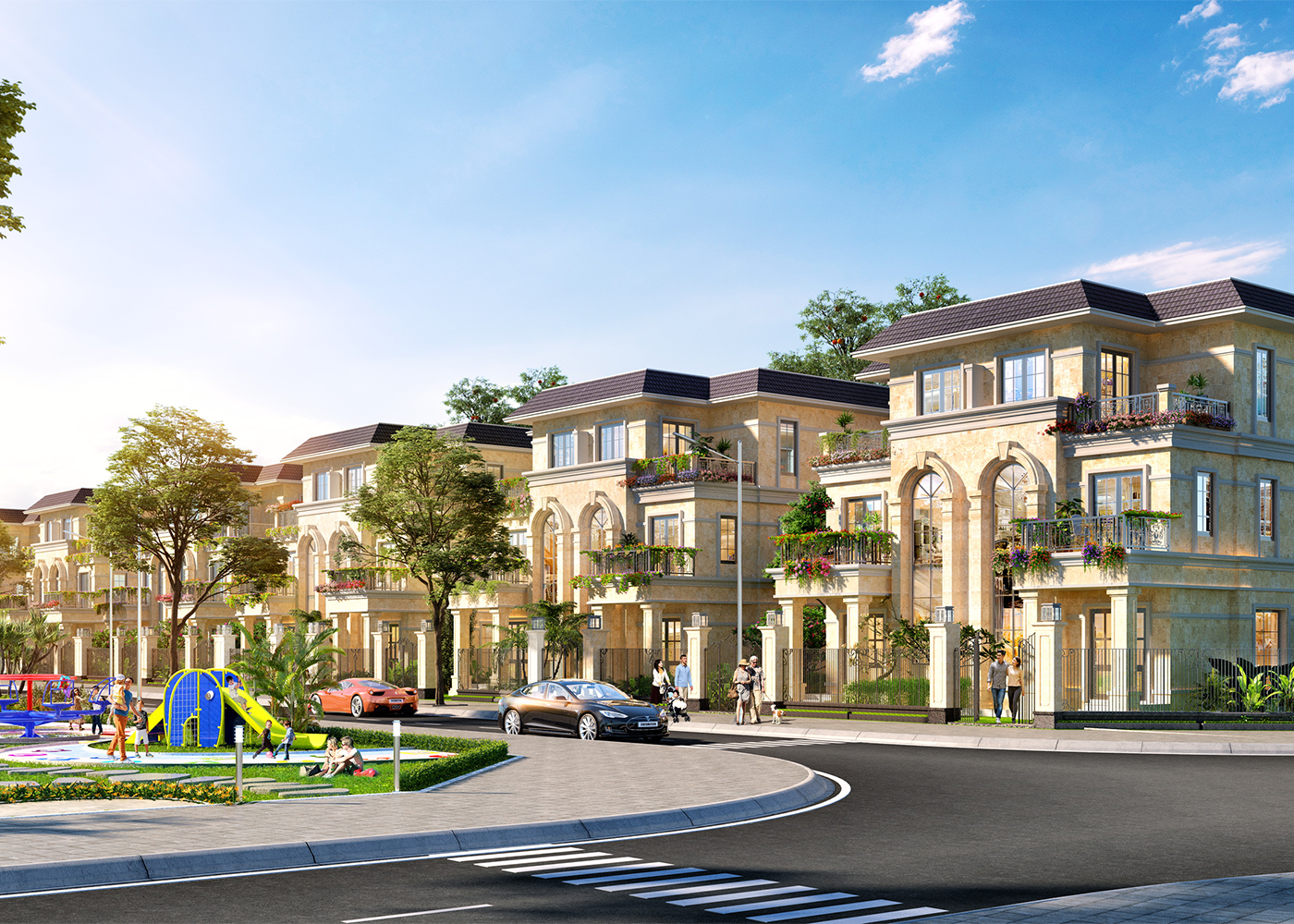
An Huy My Viet attracts customers thanks to the advantage of 'buy and build immediately'.
Housing prices in Ho Chi Minh City continue to remain high, while increasing traffic congestion, population density, and living costs are making the trend of moving to satellite cities more pronounced than ever. While buyers previously prioritized inner-city apartments for convenience, in recent years, the issue of quality of life has become paramount.
View Details
Decoding the housing pressure in Ho Chi Minh City: An Huy My Viet – A practical and distinctive solution in Duc Lap.
Finding affordable housing in Ho Chi Minh City is becoming a major challenge for thousands of young families today. Inner-city housing prices have remained consistently high for many years, while traffic congestion worsens, population density increases, and the cost of living continues to rise.
View Details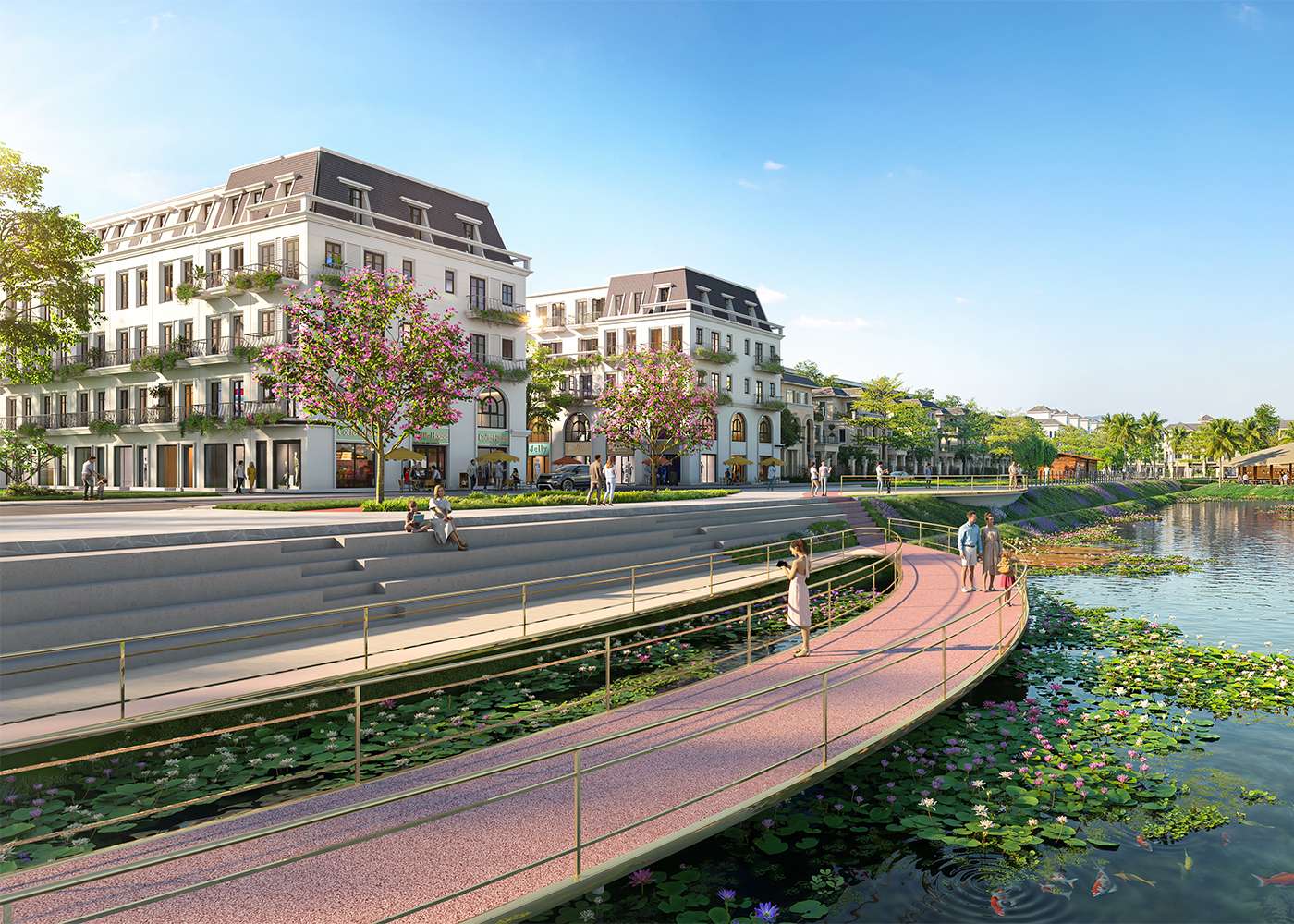
From the suffocating city life to a dream home in Northwest Ho Chi Minh City – The journey of An Huy My Viet
In recent years, the dream of owning a home has seemed increasingly distant for thousands of young families in Ho Chi Minh City.
View Details
Decoding the Appeal of An Huy My Viet
As Ho Chi Minh City accelerates population decentralization and the development of five satellite urban areas (Cu Chi, Hoc Mon, Binh Chanh, Nha Be, and Can Gio), the real estate market in the western outskirts of Ho Chi Minh City and the emerging Tay Ninh area is witnessing a strong shift. Rapidly improving transportation infrastructure has become the core factor creating new appeal for the entire region.
View Details
An Huy My Viet – The Golden Destination for Overseas Remittances.
By the end of 2025, overseas remittances from the Vietnamese community abroad are expected to continue their impressive growth momentum, projected to reach approximately 14-15 billion USD (according to estimates by the State Bank of Vietnam and the World Bank). This influx is not merely a vital resource for the national economy, but also represents intelligent capital, increasingly directed towards real estate – an investment channel recognized for its safety, sustainable profitability, and deep family connection significance. Amidst the Northern real estate market having reached high price levels and increasingly thin profit margins, overseas Vietnamese are strongly shifting their investments towards the South, particularly the new Tay Ninh areas and the expanded outskirts of Ho Chi Minh City – regions that offer substantial growth potential, rapidly developing infrastructure, and transparent legal frameworks.
View Details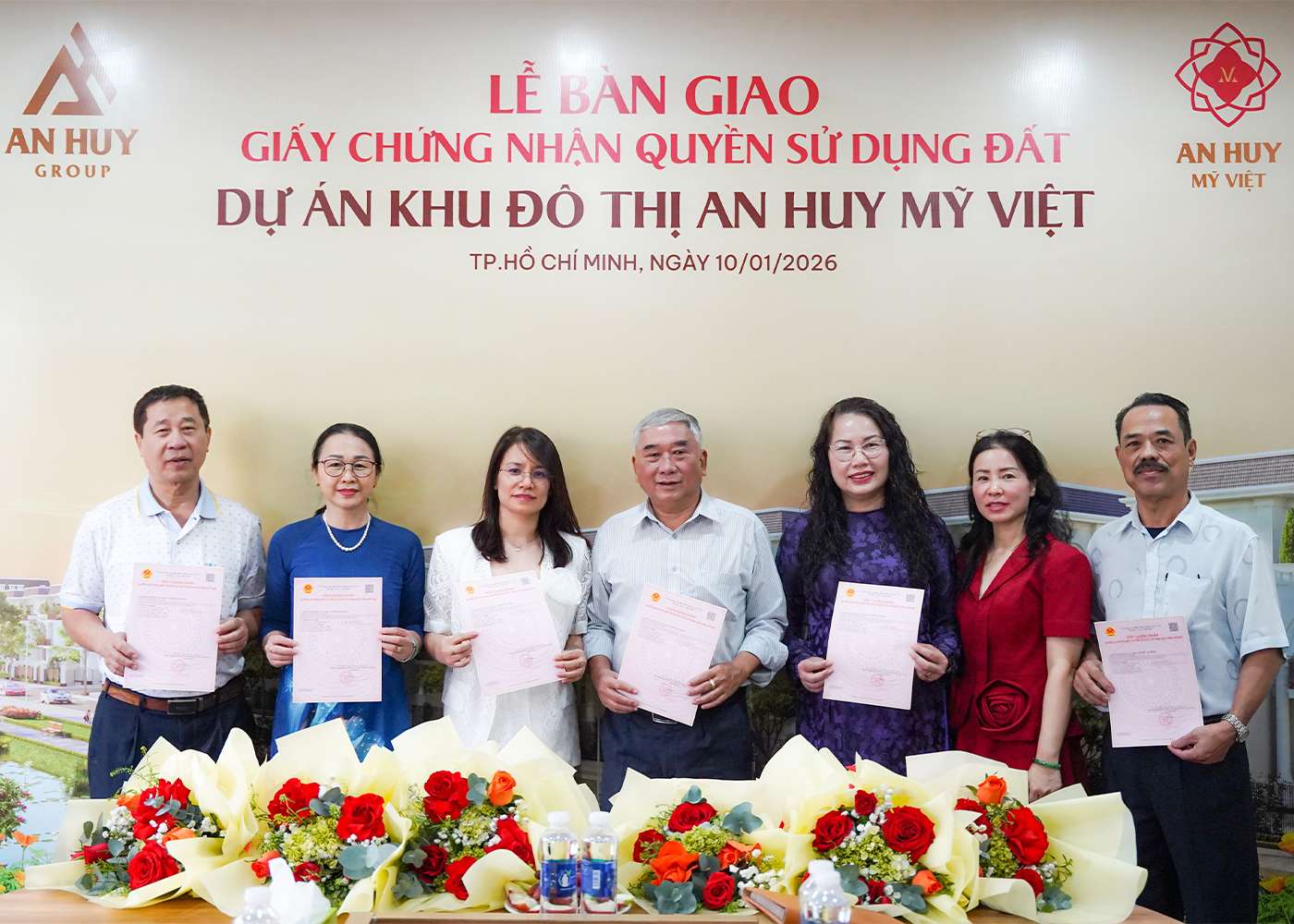
Early red book handover at An Huy My Viet
In early 2026, the Southern real estate market received optimistic signals as developer An Huy Group held the handover ceremony for Land Use Rights Certificates (individual red books for each plot) to the first phase customers at An Huy My Viet Urban Area (legally known as An Huy – Duc Hoa Residential Project, Long An) on January 10, 2026.
View Details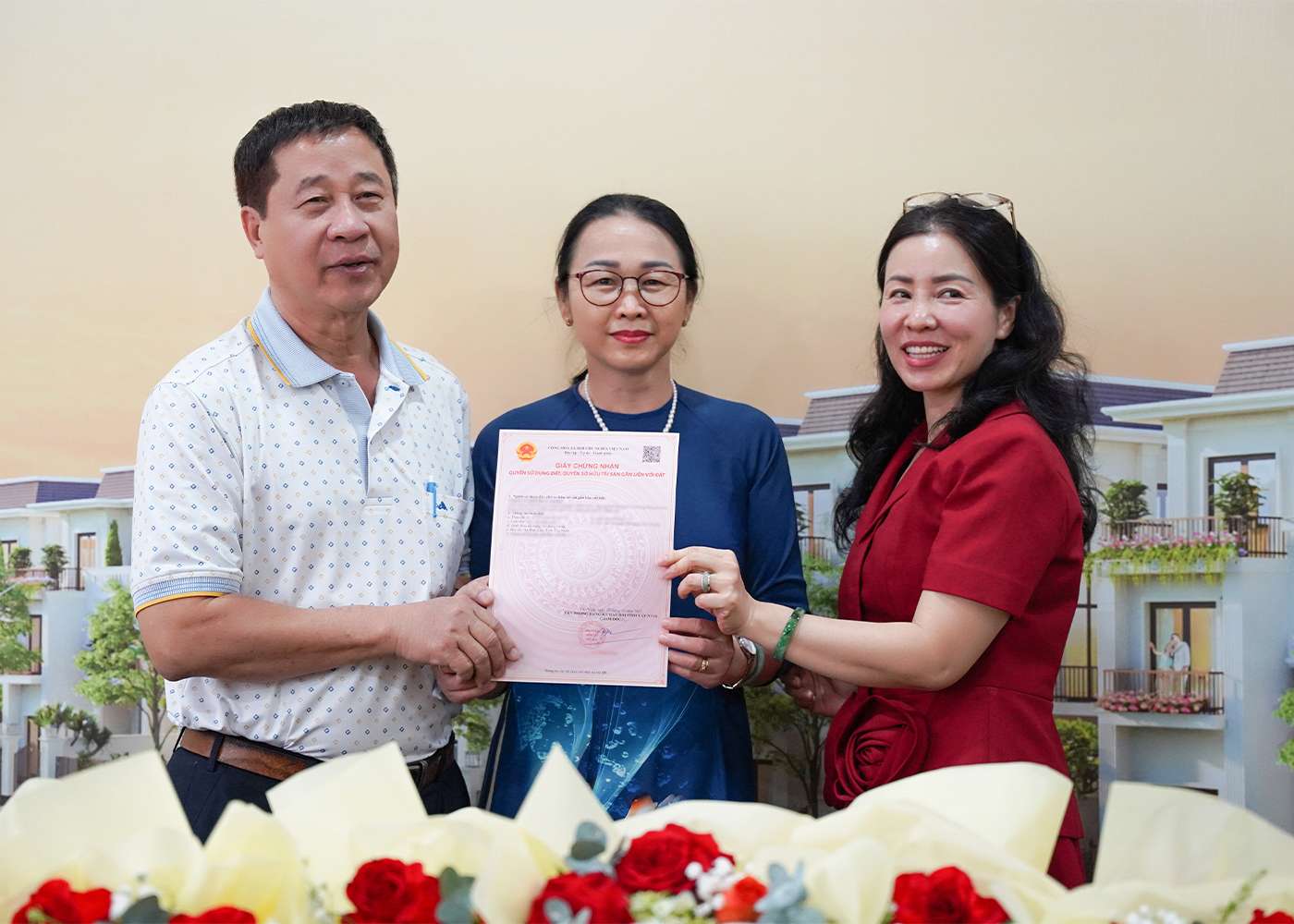
An Huy Group officially handed over red books to customers at An Huy My Viet urban area
January 10, 2026, marked a significant milestone as An Huy Group officially handed over individual land use right certificates (red books) to customers from the initial sales phase at the An Huy My Viet urban area. This serves as the clearest testament to the legal standards the enterprise has meticulously pursued for 23 years, particularly after being honored as one of the Top 10 Transparent Legal Real Estate Enterprises in 2025.
View Details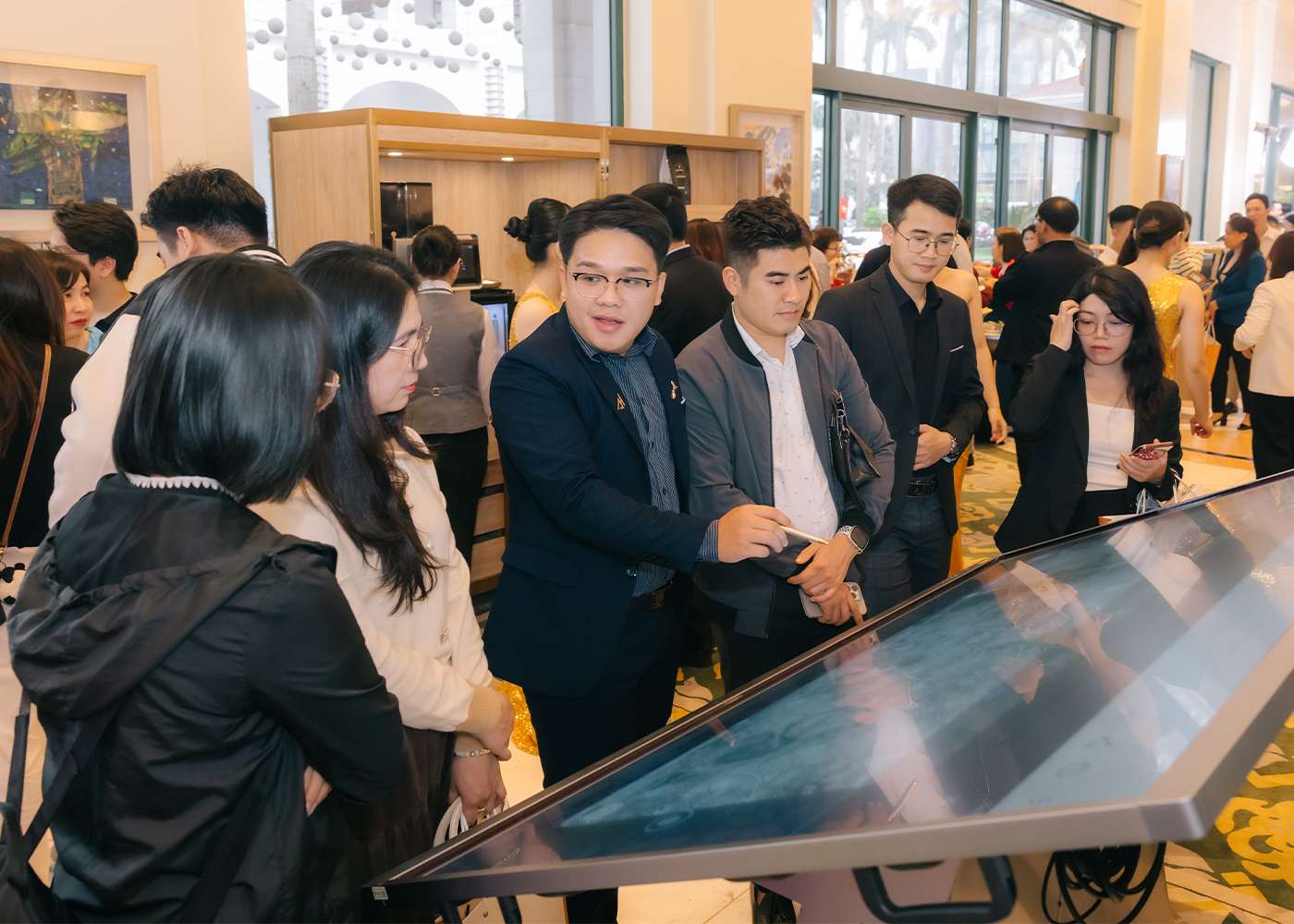
An Huy My Viet Welcomes Southern-bound Investors: Converging Strategic Capital Flows – Crafting Heritage Living Spaces in Western Ho Chi Minh City.
On the morning of December 20, 2025, at Daewoo Hotel Hanoi, An Huy Group organized an event to introduce the An Huy My Viet urban area, themed "An Huy My Viet Welcomes Southern-bound Investors." The program attracted the participation of over 300 guests, including investors from the North, strategic partners, economic and real estate experts, and representatives from numerous press agencies."
View Details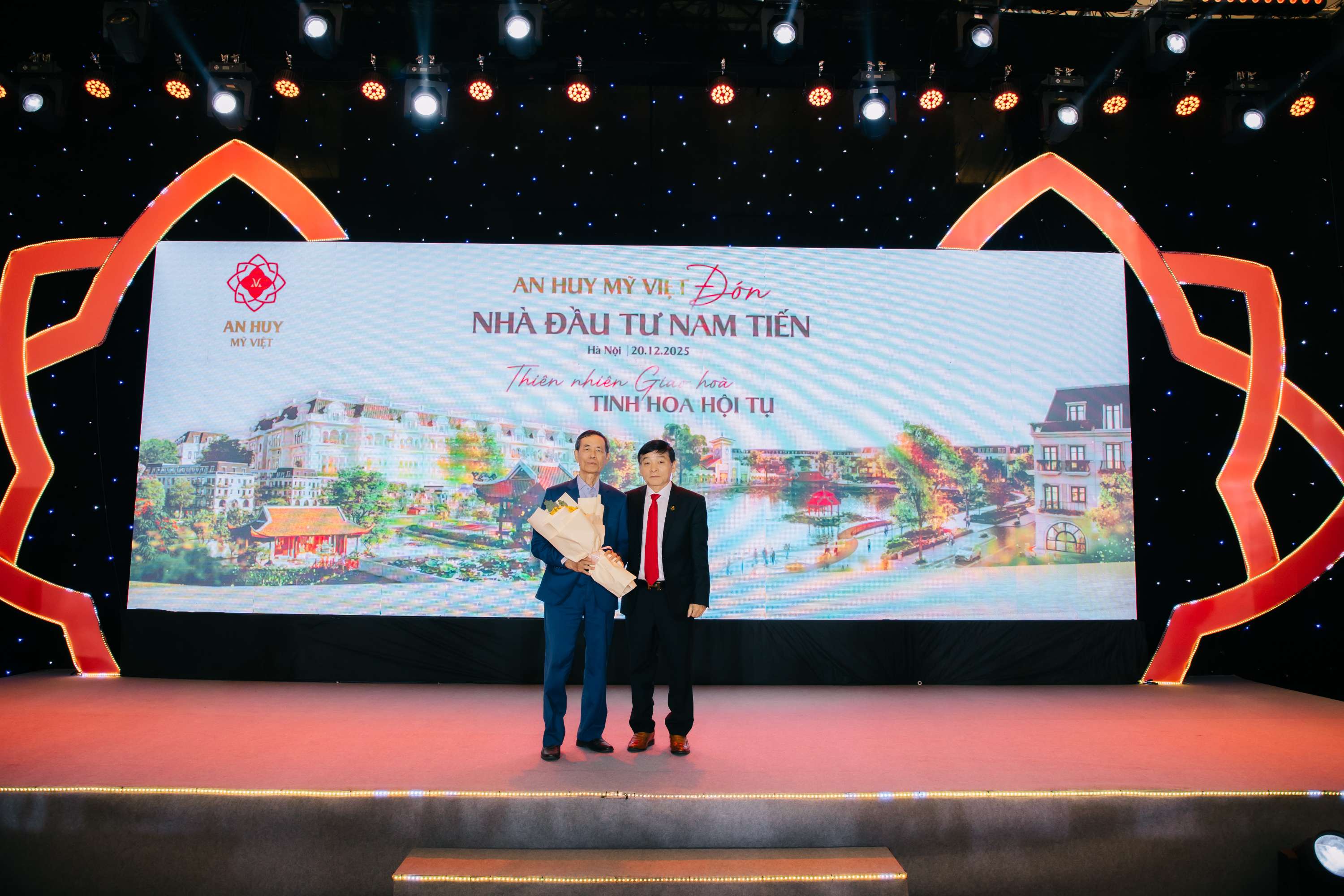
An Huy My Viet Welcomes Southern Investors: A Heritage Living Space in the West of Ho Chi Minh City
On the morning of December 20, at the event “An Huy My Viet Welcomes Southern Investors,” more than 300 Northern investors witnessed the launch of a distinctive real estate model in Duc Lap, Tay Ninh. The event not only marked An Huy Group’s entry into the Southern market, but also clearly reflected the shift of smart capital flows-seeking price-bottom markets with strong industrial potential and sustainable real value, driven by heritage-oriented real estate planning.
View Details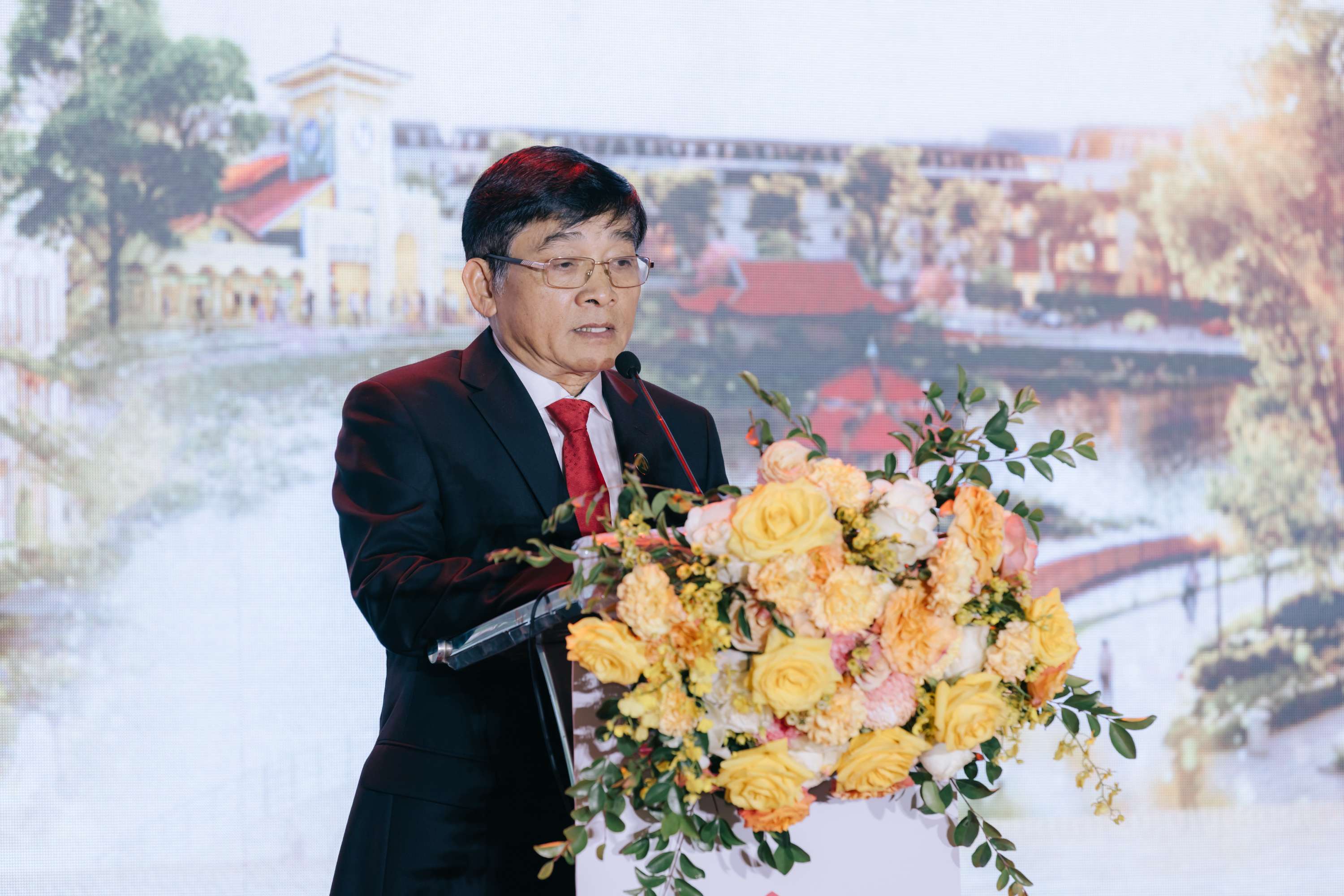
An Huy My Viet Welcomes Southern Investors
(DNNN) – On December 20, 2025, at Daewoo Hotel Hanoi, An Huy Group held a launch event introducing An Huy My Viet Urban Area under the theme “An Huy My Viet Welcomes Southern Investors.”
View Details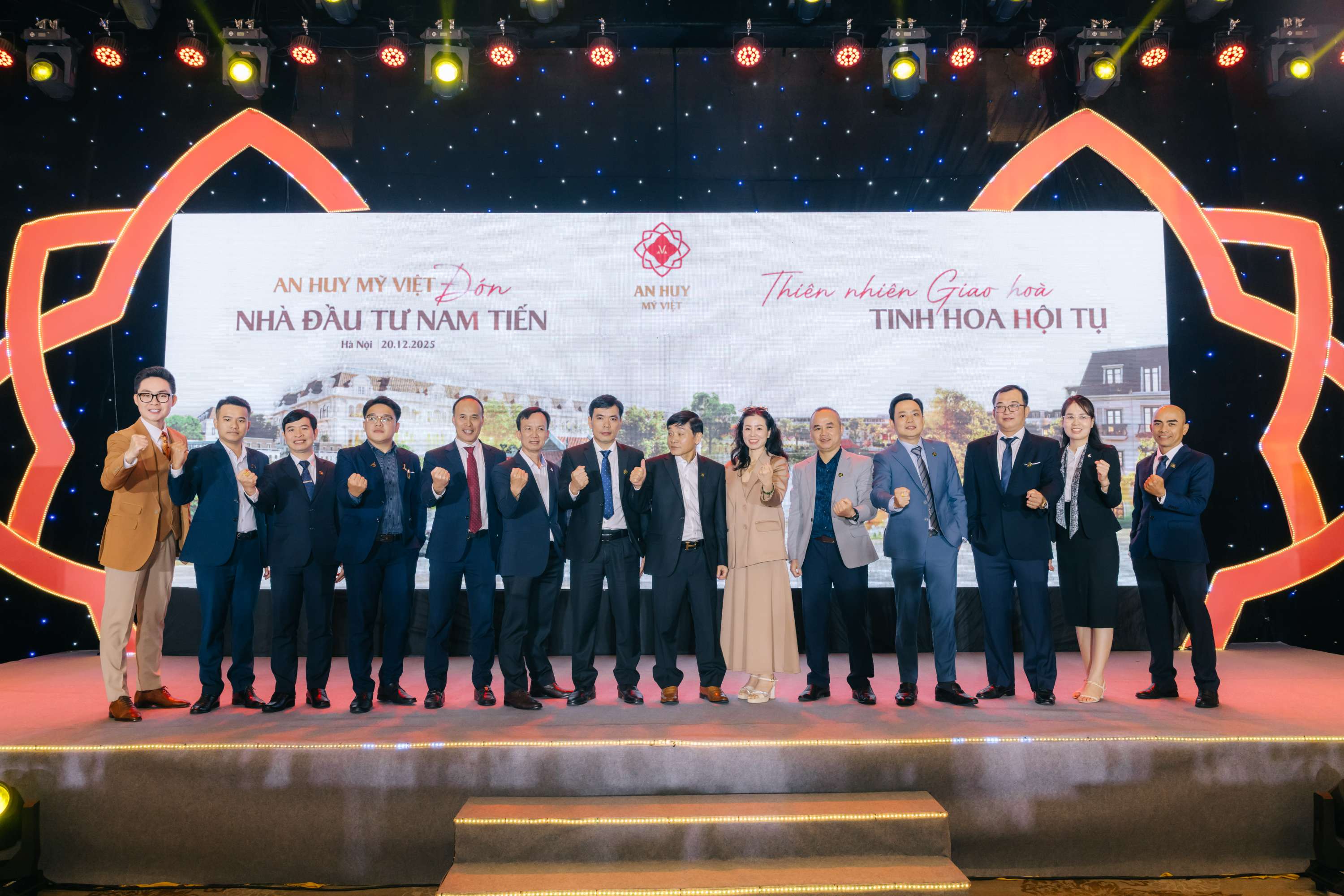
An Huy My Viet Urban Area: Where Modern Excellence Meets the "Heritage Imprint"
On the morning of December 20, 2025, at the Daewoo Hotel in Hanoi, An Huy Group held the event “An Huy My Viet Welcomes Southern-Bound Investors.”
View Details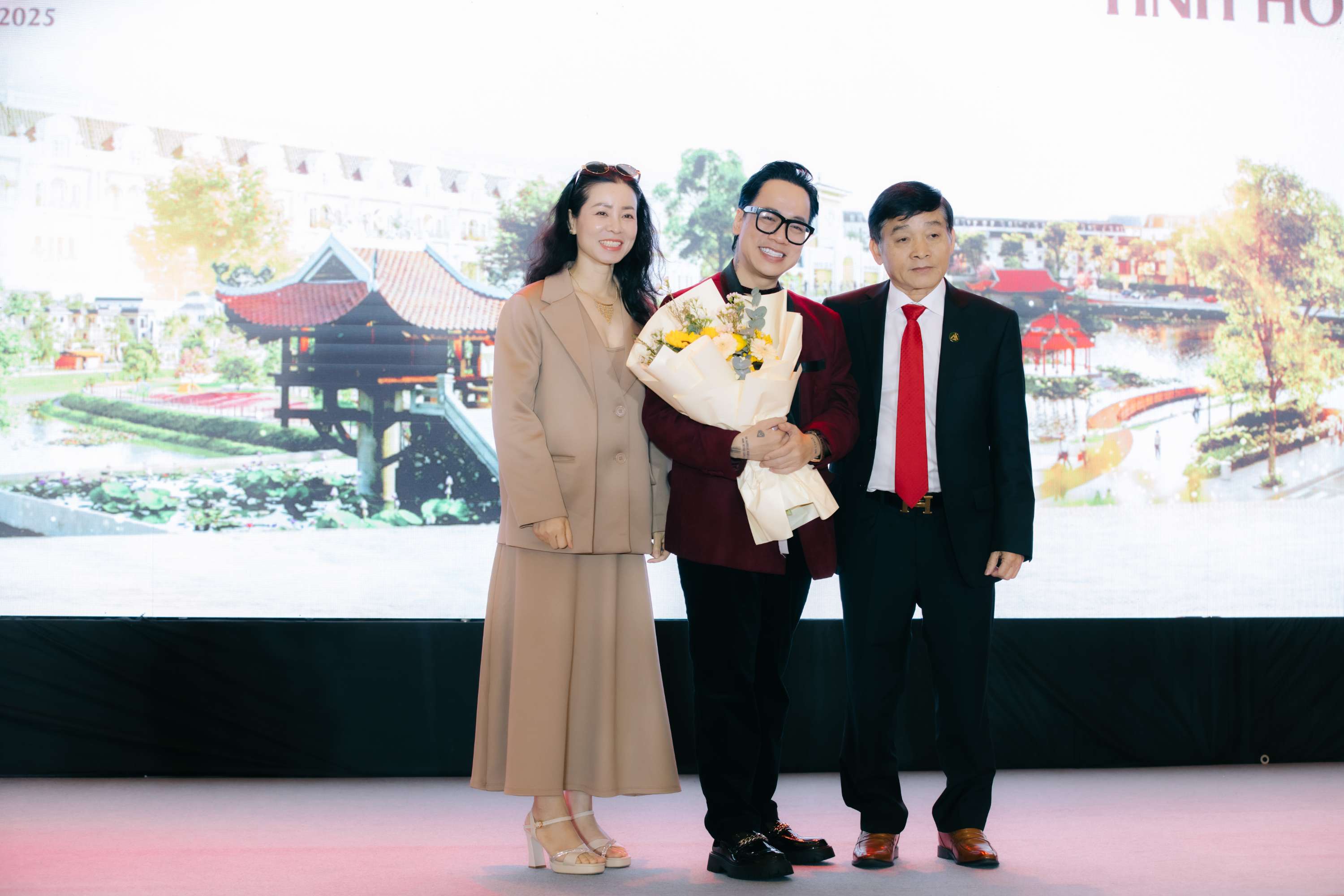
Capital Flow Wave: “Southward Expansion and the New Investment Appetite of Northern Investors” as Real Estate Shapes the Northwest Gateway of Ho Chi Minh City
On December 20, 2025, in Ha Noi - at the event “An Huy My Viet welcomes Southward-moving investors”, more than 300 Northern investors witnessed the launch of a distinctive real estate (RE) model in the Duc Lap area, Tay Ninh.
View Details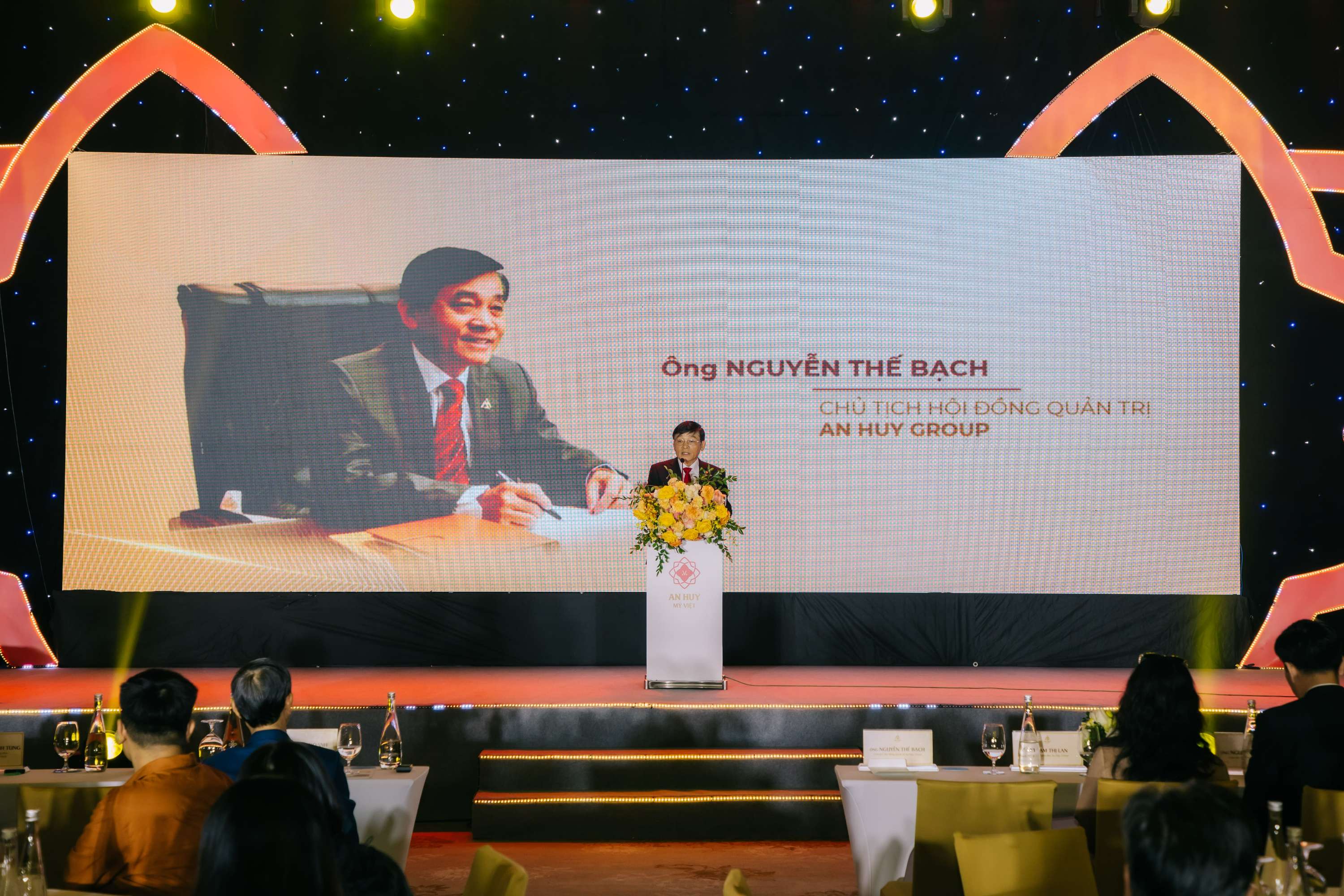
An Huy My Viet Nam Tien Investors: Convergence of Capital - Living Space with Heritage Value in Western Ho Chi Minh City
On December 20, 2025, in Hanoi - at the Daewoo Hanoi Hotel, An Huy Group held an event to introduce the An Huy My Viet Urban Area under the theme “An Huy My Viet Welcomes Nam Tien Investors.” The program attracted the participation of over 300 guests, including Northern investors, strategic partners, economic and real estate experts, as well as representatives from various media agencies.
View Details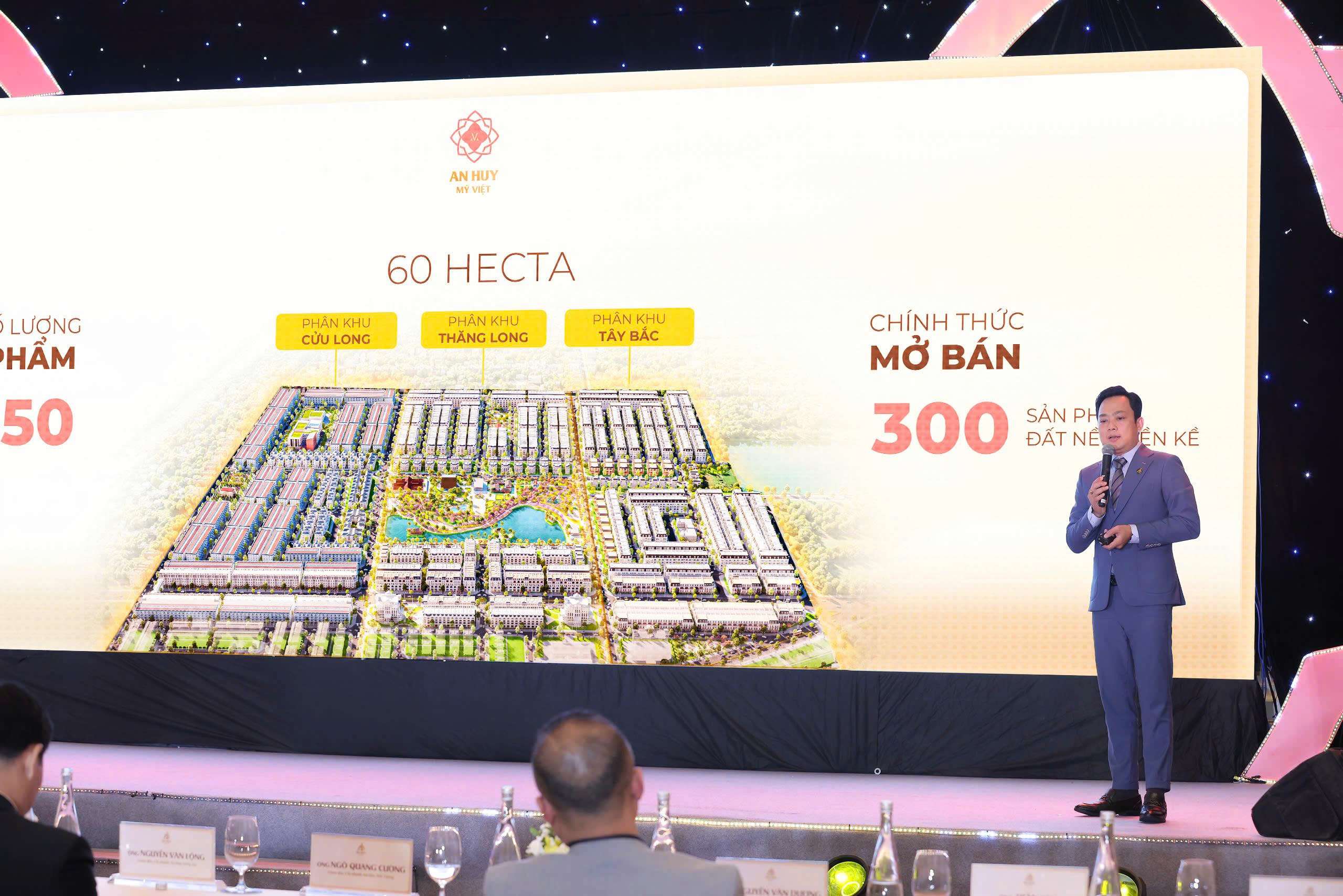
An Huy Group officially introduces the An Huy My Viet Urban Area.
On the morning of December 20, 2025, at the Daewoo Hotel in Hanoi, An Huy Group held the official launch event of the An Huy My Viet Urban Area under the theme “An Huy My Viet Welcomes Southbound Investors.” The event attracted the participation of more than 300 guests, including Northern investors, strategic partners, economic and real estate experts, as well as representatives from numerous media outlets.
View Details
Upcoming Event: “An Huy My Viet Welcomes Southern Investors”
On the morning of December 20, at Daewoo Hotel Hanoi, An Huy Group held an introduction event for An Huy My Viet Urban Area under the theme “An Huy My Viet Welcomes Southern Investors.” The event was expected to serve as a forum bringing together experts, investors, and partners to analyze the shifting trends of investment capital flowing toward the South, while offering fresh perspectives on modern urban development models associated with sustainable cultural values in the western area of Ho Chi Minh City.
View Details
Southern capital flows are shifting toward land plots and low-rise housing in the western area of Ho Chi Minh City.
Southern-bound investment capital is forecast to strongly shift toward adjacent land plots and low-rise housing in the western area of Ho Chi Minh City.
View Details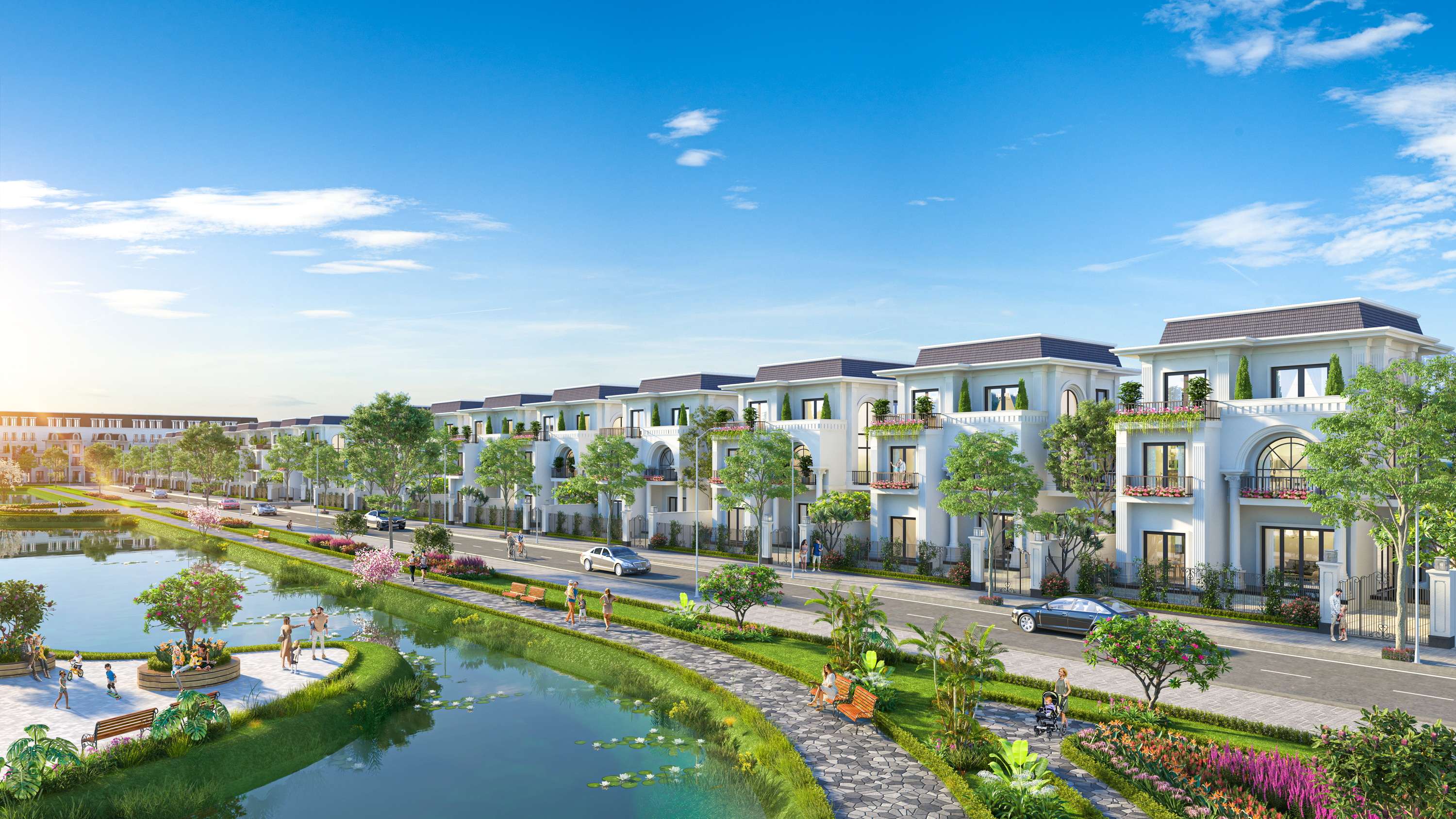
The Western real estate market of Ho Chi Minh City welcomes a wave of southbound capital: An Huy My Viet - a prime investment destination capturing the growth cycle in Duc Lap
The momentum from the provincial merger, combined with the industrial relocation wave and major infrastructure projects, has turned Duc Lap Commune in Tay Ninh Province (before the merger under Duc Hoa District, Long An Province) into a new hotspot for economic and urban growth in the western area of Ho Chi Minh City. In this context, the emergence of the An Huy My Viet Urban Area is considered a forward-thinking move, offering a truly valuable product that harmoniously balances profit potential from its strategic location, secure legal framework, and a high-quality living environment - distinctive, ecological, modern, yet still deeply rooted in Vietnamese cultural identity.
View Details
“Big Players” Enter to Heat Up the Tay Ninh Real Estate Market
The merger of Tay Ninh and Long An into the new Tay Ninh has opened up new development opportunities, maximizing the potential, advantages, and resources of both localities. In this context, the Tay Ninh real estate market presents significant opportunities for a breakthrough, driven by the “boost” from the merger.
View Details
The “Price Low Zone” of Tay Ninh Real Estate
The real estate price level in Tay Ninh is showing a significant gap compared to Ho Chi Minh City and neighboring provinces.
View Details
An Huy My Viet: A Strong Launchpad for Long-Term Investment
In real estate investment strategy, tangible value – proper legal compliance – and regionally connected location have become the “diamond trio” highly sought after by investors. An Huy My Viet is a project that perfectly brings together all three elements. With a strategic location at the western gateway of Ho Chi Minh City, approved under a 1/500 master plan, and directly benefiting from the rapidly accelerating infrastructure and industrial momentum, the project is regarded as a “solid foundation,” paving the way for a sustainable profit cycle in the future.
View Details
The first Heritage Park in Tay Ninh, a landscape masterpiece with Vietnamese identity
Amid the rapid growth of the Southwest region, where urbanization progresses day by day, An Huy My Viet stands out as an urban area imbued with cultural depth. Here, timeless values are not forgotten over time but are brought to life in every living space – creating a vivid memory landscape in the heart of the new city.
View Details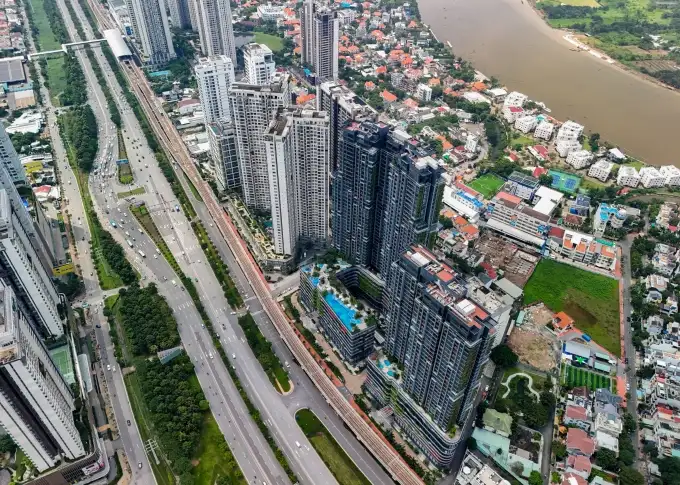
Ho Chi Minh City requires investors not to authorize brokerage floors to sign contracts.
The Ho Chi Minh City Department of Construction requires real estate companies to publicly disclose project information and not to authorize any individual or organization to sign deposit, sale, or transfer contracts.
View Details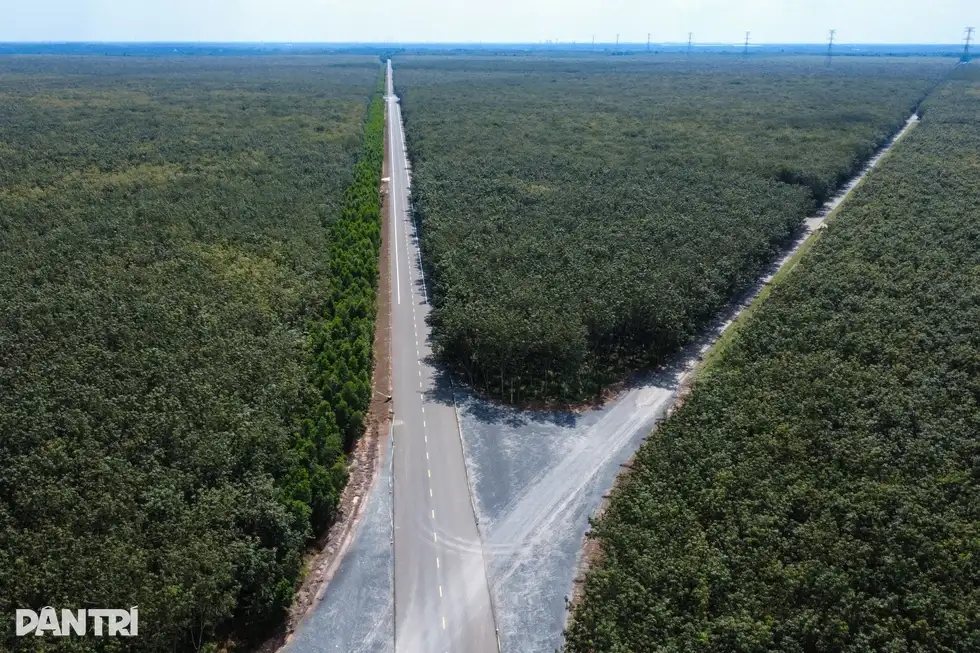
Tay Ninh mobilizes all resources to develop a synchronized transportation infrastructure.
(Dan Tri) – Once completed, these projects will improve Tay Ninh’s transportation infrastructure towards synchronization and modernization, forming an interconnected traffic network and expanding new development spaces.
View Details
From "inner-city pressure" to "peaceful suburban living": An Huy My Viet – a smart choice amid Ho Chi Minh City's population decentralization trend
Imagine a morning where you wake up amid the honking and thick smog of Ho Chi Minh City's inner districts – where the average housing price has reached 100 million VND/m² and a 20 km commute takes up to 2 hours. Now, just 45 minutes away via Ring Road 3 (expected to be fully operational by the end of October 2025), you can enjoy the fresh air of Duc Lap commune – the "golden gateway" of the newly expanded Tay Ninh province. This is not a distant dream, but a reality gradually taking shape as An Huy My Viet urban area offers not only an opportunity to escape the inner-city crowd but also a high-quality lifestyle and sustainable investment value for the future.
View Details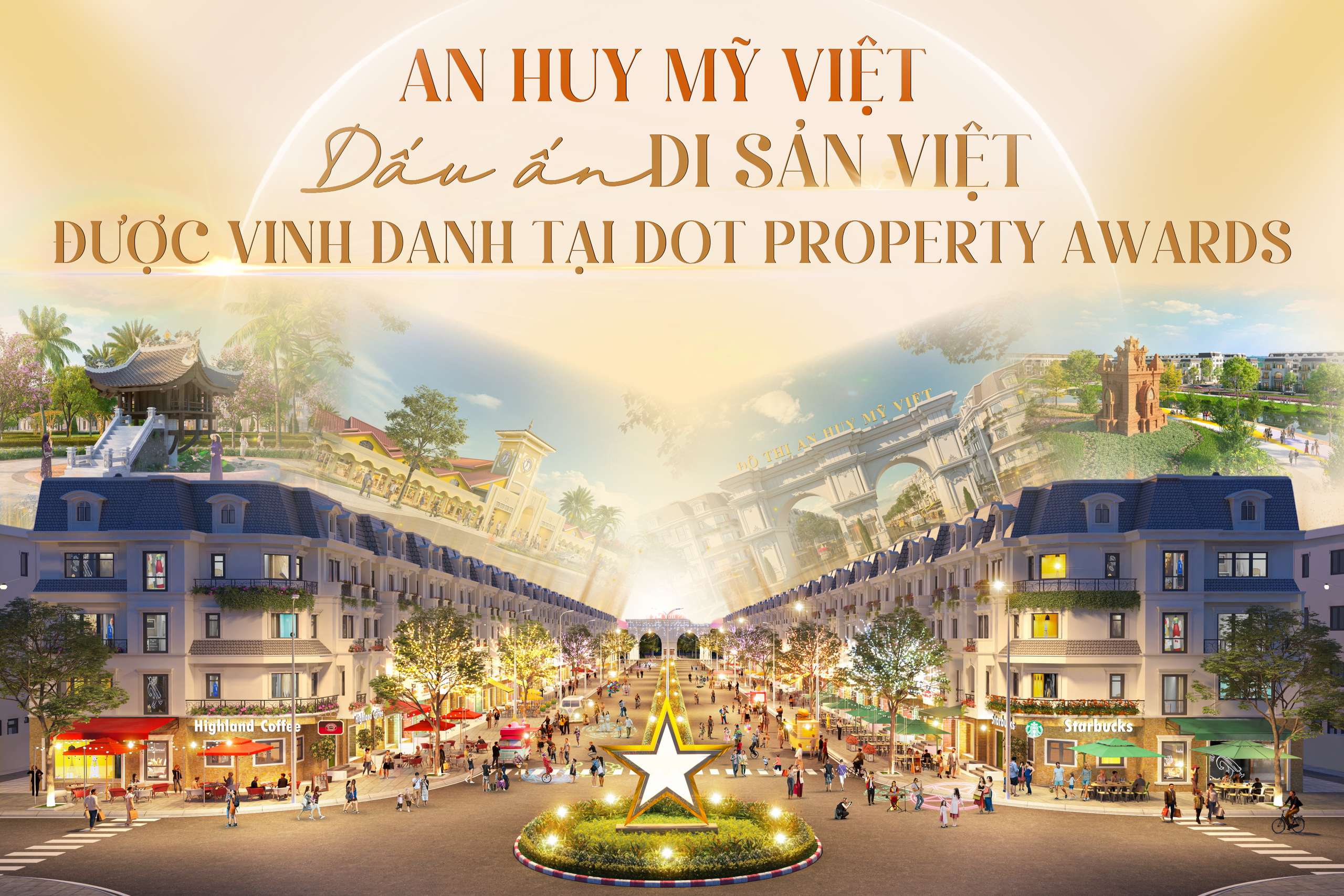
An Huy My Viet: Vietnamese heritage mark honored at Dot Property Awards
By winning the prestigious "Best Township Heritage Landscape Design Vietnam 2024" category at the Dot Property Vietnam Awards 2024 – one of Southeast Asia’s leading real estate awards – the An Huy My Viet project not only marks a significant milestone in creating a living space that blends modernity with Vietnamese heritage culture, but also recognizes the dedicated and creative efforts of the developer, An Huy Group.
View Details
An Huy My Viet: A Model Urban Area Contributing to Shaping the New Landscape of Tay Ninh After the Merger
In the context of the newly formed Tay Ninh province, with 96 administrative units at the commune level (82 communes and 14 wards) after the merger, Duc Lap emerges as a “golden coordinate” for the suburban real estate market. Capitalizing on this opportunity, the An Huy My Viet urban area in Duc Lap, Tay Ninh (formerly Duc Hoa District, Long An Province) offers an ideal living destination with a green, sustainable environment. As the first project to recreate seven Vietnamese heritage structures, it establishes a new symbol of culturally rich and sustainable living, contributing to shaping the modern urban landscape of the locality.
View Details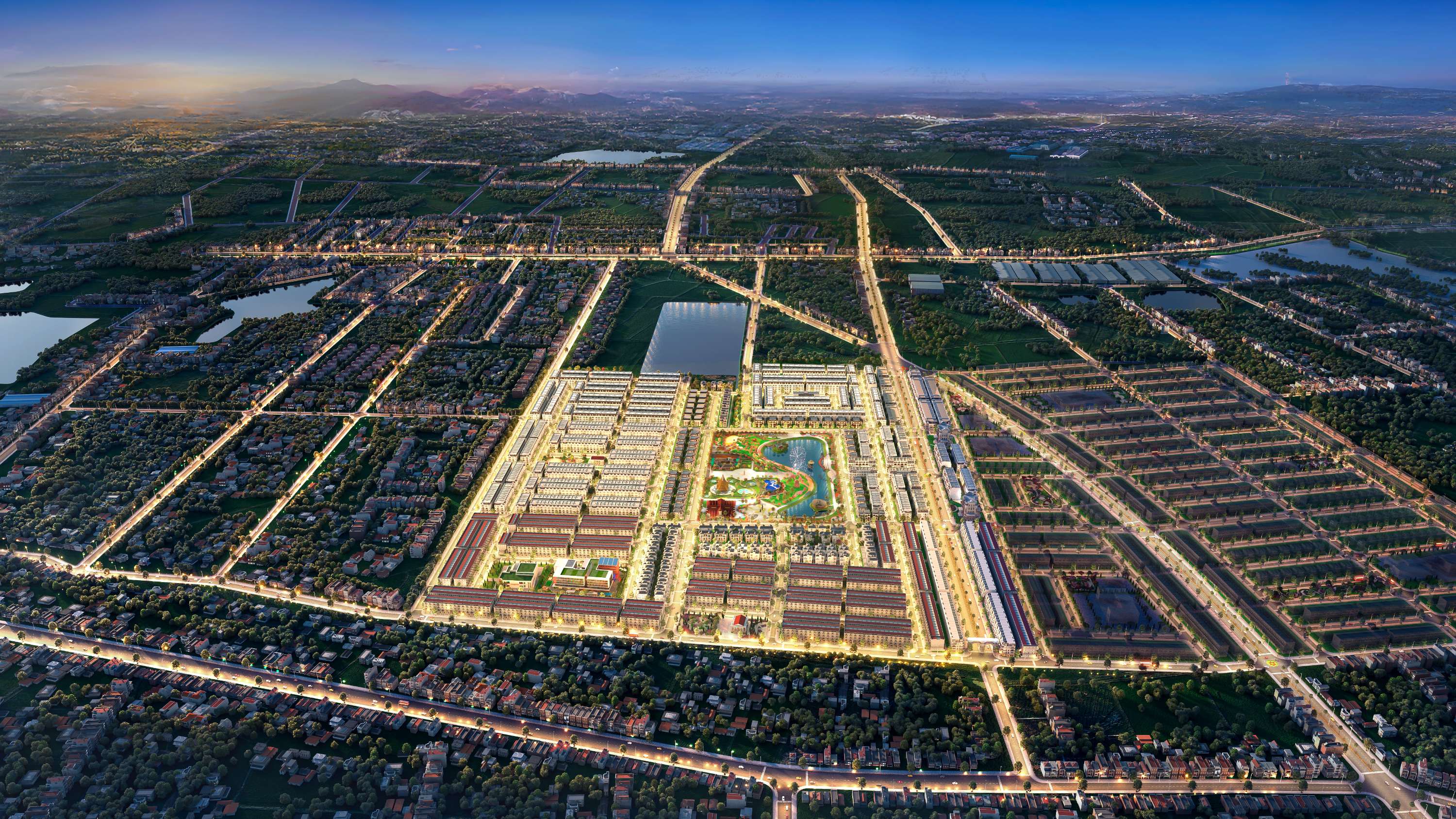
New Tay Ninh: The “Promised Land” of Suburban Real Estate West of Ho Chi Minh City
Duc Lap (Tay Ninh), the gateway to Northwest Ho Chi Minh City, is rapidly emerging as the new “promised land” of suburban real estate.
View Details
New Growth Hub in Northwest Ho Chi Minh City: Infrastructure Boost and Spillover of Suburban Real Estate
With its strategic gateway location connecting Ho Chi Minh City and a key infrastructure network under accelerated development, the Duc Hoa area in Long An (now part of the new Tay Ninh) is gradually establishing itself as a new growth hub in Northwest Ho Chi Minh City. The wave of industrial, logistics, and renewable energy development is not only expanding growth potential for the locality but also generating a strong spillover effect to neighboring markets such as Cu Chi, Hoc Mon, and Binh Chanh (Ho Chi Minh City).
View Details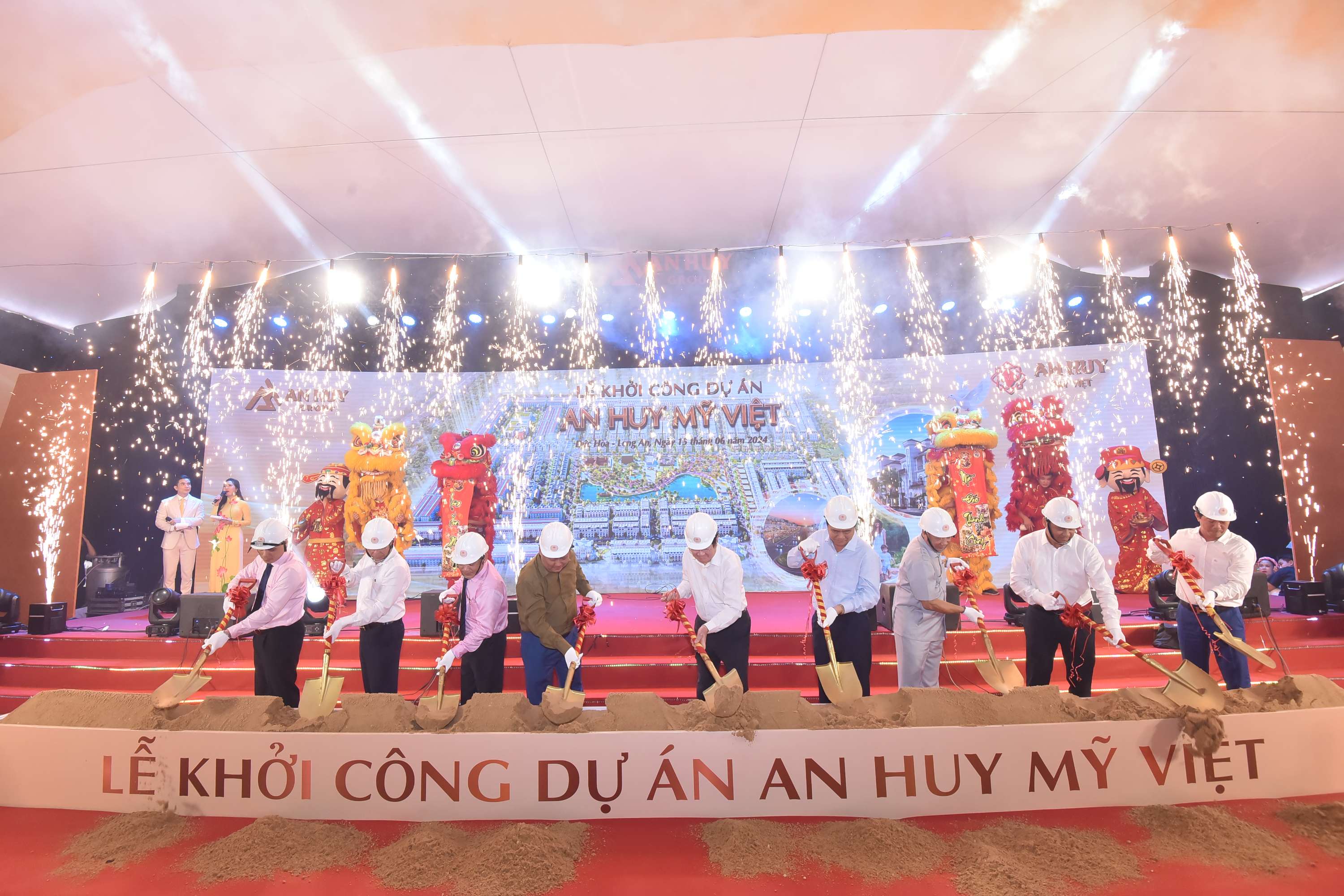
Groundbreaking Ceremony of the An Huy My Viet Project
On the morning of June 15, An Huy Real Estate Joint Stock Company held the groundbreaking ceremony for the An Huy My Viet Project in Duc Hoa District, Long An Province (commercially known as An Huy My Viet).
View Details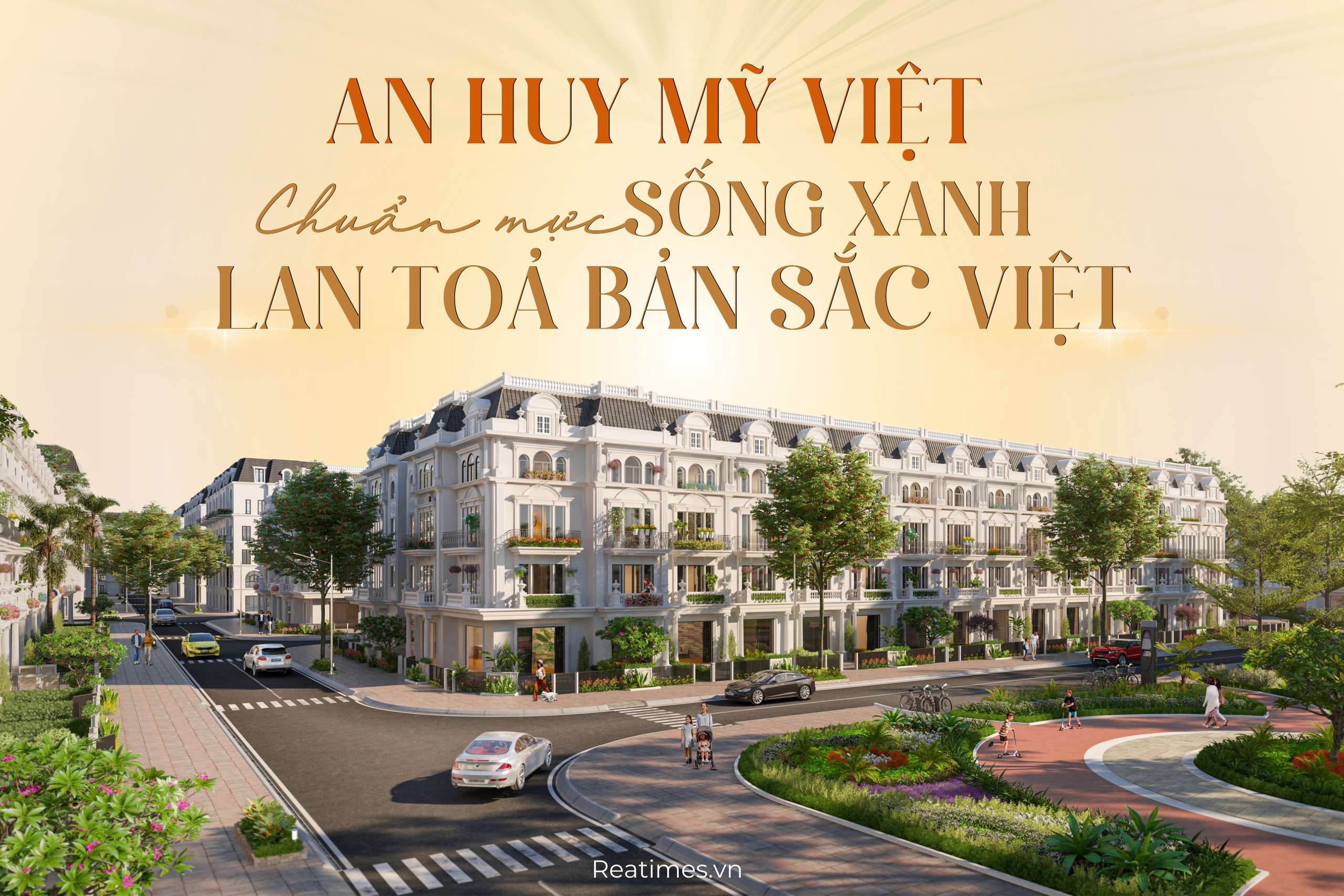
An Huy My Viet: A Green Living Standard that Embraces Vietnamese Identity
In the context of rapid urbanization where land resources are increasingly limited, green living is no longer just a trend—it has become a new “benchmark” in the real estate market. Understanding this demand, An Huy Group has pioneered the development of the An Huy My Viet urban township in Duc Hoa, Long An (now part of the new Tay Ninh area)—a project that harmonizes green spaces, modern amenities, and cultural heritage values. Here, every home is not only a place to live, but also a destination that nurtures well-being, enriches the soul, and reflects a truly sustainable lifestyle.
View Details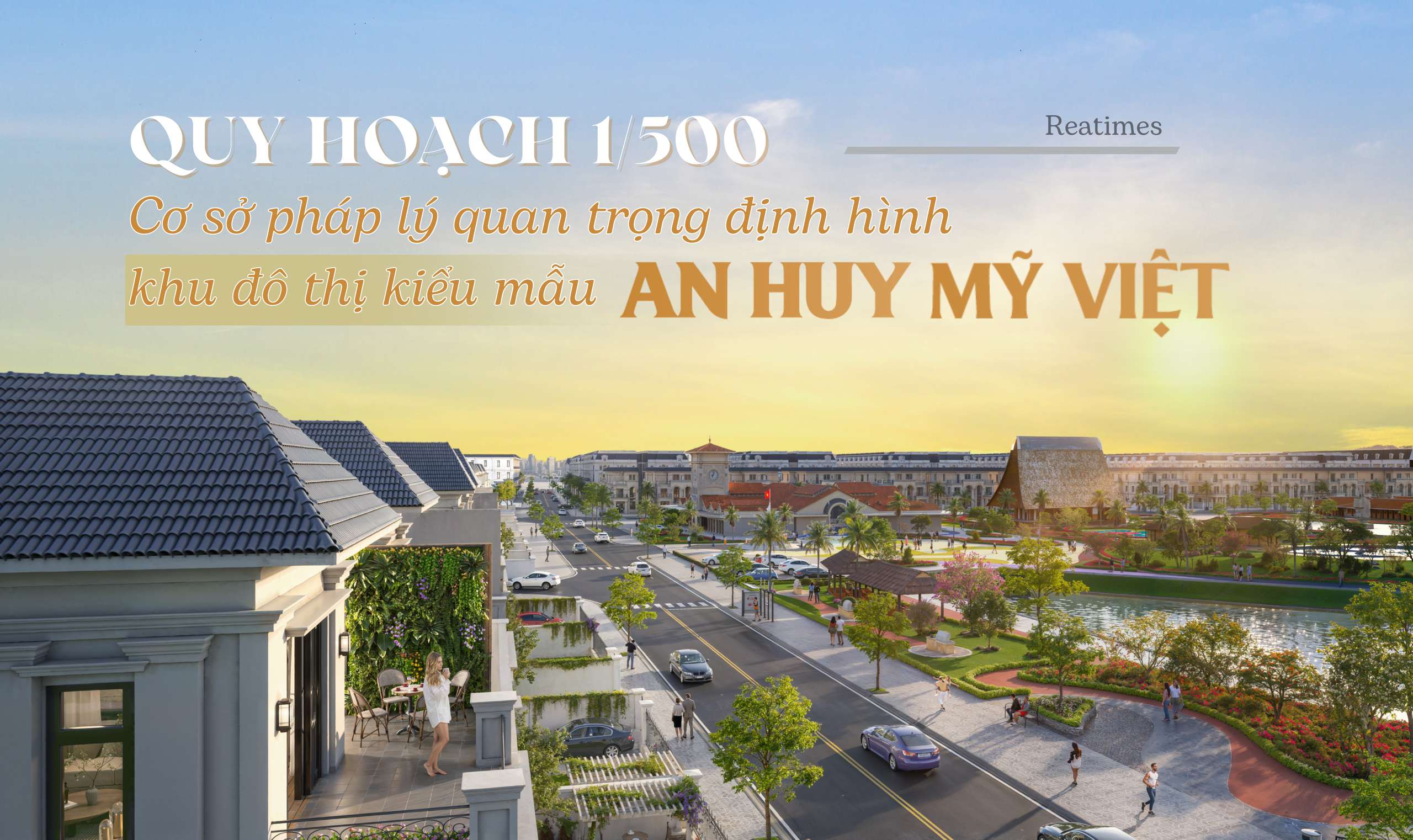
1/500 Master Plan: The key legal foundation shaping the model urban area An Huy Mỹ Việt
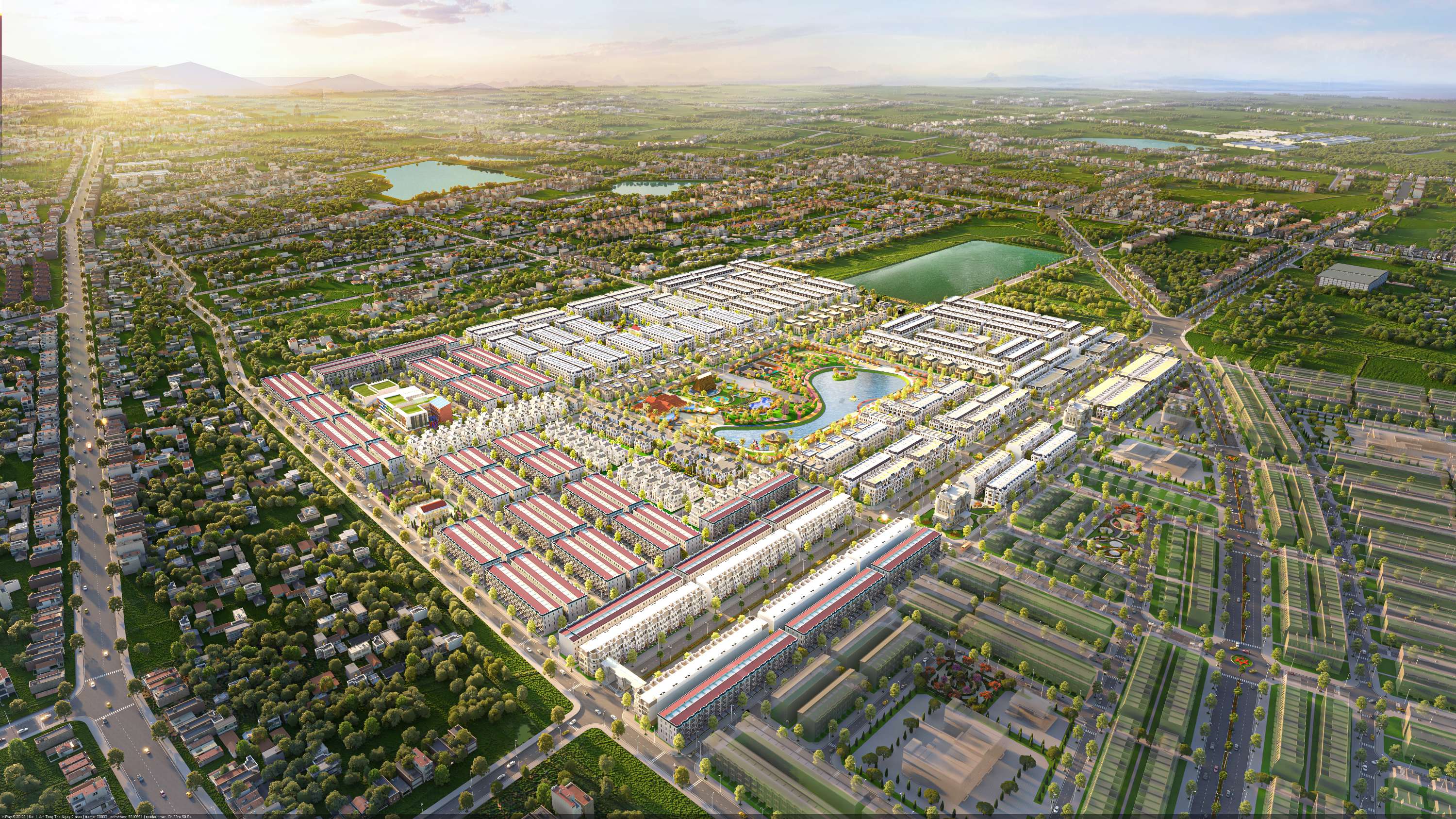
In the context of an increasing number of real estate projects, customers tend to be more cautious, prioritizing those with clear legal status, comprehensive planning, and convenient infrastructure. Meeting all these criteria, the An Huy Mỹ Việt project, developed by An Huy Group, stands out as a model urban area and a top choice, offering long-term value for both investors and residents.
View Details
Highlight of Real Estate in Northwest Ho Chi Minh City
With advantages in connectivity infrastructure, rapid industrialization, and relatively low land prices, the Northwest area of Ho Chi Minh City is emerging as a new bright spot on the southern real estate map.
View Details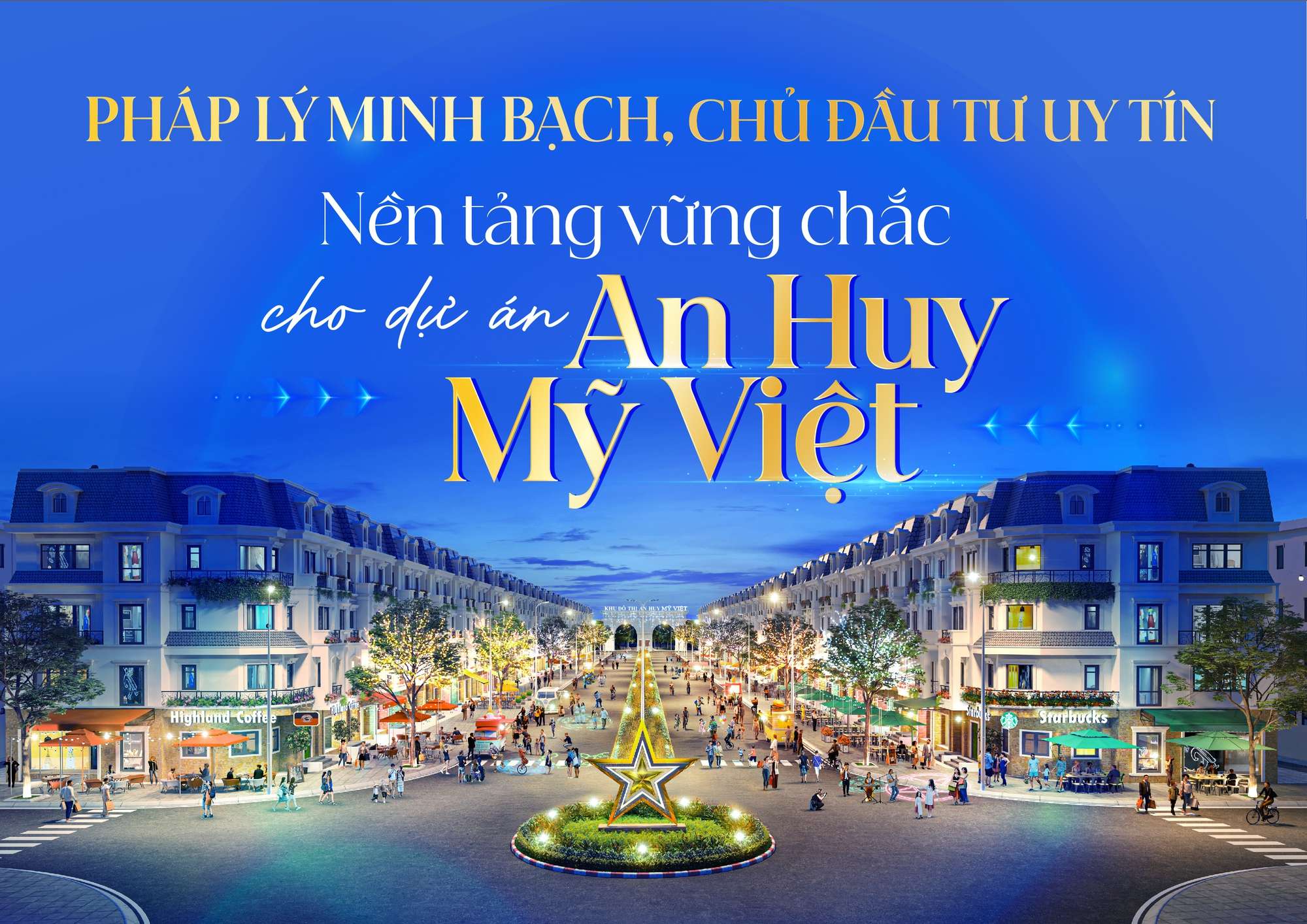
Transparent Legal Framework, Reputable Investor: A Solid Foundation for the An Huy My Viet Project
<pstyle="text-align: justify;">In a real estate market still full of fluctuations, legal compliance has increasingly become a crucial “shield” protecting investors, while the reputation and commitment of the developer serve as a guarantee for the project’s sustainability. Embodying these core values, the An Huy My Viet Urban Area, developed by An Huy Group, shines as a reliable and attractive investment destination, thanks to its transparent legal framework, well-planned master layout, and a vision to create a model urban community.
View Details
Partnership Signing Ceremony Between An Huy Group & Casa Strategy – A Stepping Stone for the An Huy Duc Hoa Project (An Huy My Viet)
On March 27, at Sheraton Saigon Hotel, An Huy Group and CASA Strategy officially signed a strategic partnership agreement, marking an important milestone in their expansion plans in the Southern market.
View Details